
Maximize Your Tax Refund in 2026: The Complete Guide to New Deductions, Credits, and SALT Cap Changes
The One Big Beautiful Bill Act has transformed the 2026 tax landscape with significant changes that could substantially increase your refund. These modifications introduce new deductions, expand existing credits, and raise the state and local tax (SALT) deduction cap to $40,000. Understanding these changes now allows you to maximize your tax benefits and avoid leaving money on the table.
New Deductions Available for Tax Year 2026!
Senior Deduction – $6,000 Per Eligible Taxpayer
Taxpayers aged 65 or older can claim a $6,000 deduction per qualifying individual. Married couples filing jointly may claim up to $12,000 combined if both spouses meet the age requirement.
Income Phase-Out Limits:
- Single filers: Deduction begins phasing out at $75,000 AGI, completely eliminated at $175,000
- Joint filers: Phase-out starts at $150,000 AGI, eliminated at $250,000
- Valid Social Security Number required for eligibility
Qualified Income Deductions Through 2028
The legislation introduces three "no tax on" deductions available through tax year 2028:
Tips Deduction
- Maximum deduction: $25,000 for eligible taxpayers
- Applies to documented tip income from qualifying employment
- Must maintain proper records and documentation
Overtime Deduction
- Single filers: Up to $12,500
- Joint filers: Up to $25,000
- Covers qualified overtime compensation beyond standard work hours
Car Loan Interest Deduction
- Available for interest paid on qualified loans for new personal-use vehicles
- Applies to loans secured after the effective date
- Vehicle must be for personal, not business, use

Additional Above-the-Line Deductions
Charitable Deduction Without Itemizing
Starting in 2026, claim up to $1,000 ($2,000 for joint filers) in charitable contributions without itemizing deductions. This deduction appears above-the-line, reducing your adjusted gross income directly.
Private Mortgage Insurance (PMI) Deduction
PMI payments become deductible again starting in 2026. This benefit applies to qualified mortgage insurance premiums on loans secured after January 1, 2026.
Increased Standard Deduction and Senior Add-On Benefits!
2026 Standard Deduction Amounts
- Single filers: $16,100
- Married filing jointly: $32,200
- Head of household: $24,150
Additional Deductions for Age and Blindness
Taxpayers who are 65 or older or blind receive additional standard deduction amounts:
- Single filers: $2,000 additional per qualifying condition
- Joint filers: $1,600 additional per qualifying spouse per condition
Calculate your total standard deduction by adding these amounts to your base standard deduction. For example, a married couple filing jointly where both spouses are 65 or older receives a total standard deduction of $35,400 ($32,200 + $1,600 + $1,600).
Enhanced Credits That Increase Your Refund!
Expanded Child Tax Credit
The maximum Child Tax Credit increases to $2,200 per qualifying child, with up to $1,700 refundable. Key requirements include:
- Valid Social Security Number for each child
- Child must be under age 17 at year-end
- Income phase-outs apply at higher income levels
- Refundable portion allows credits beyond tax liability
Adoption Credit Expansion
The maximum adoption credit reaches $17,670 for 2026, with a significant enhancement: up to $5,000 becomes refundable for tax years 2025 through 2028. This change allows families to receive adoption credit benefits even when their tax liability is less than the credit amount.
Employer-Provided Childcare Credit
Employers can claim up to $500,000 in credits for qualified childcare facility costs and childcare resource and referral services. Eligible small businesses may claim up to $600,000. This credit encourages workplace childcare benefits that support working families.

SALT Deduction Cap Increase – Major Relief for High-Tax States!
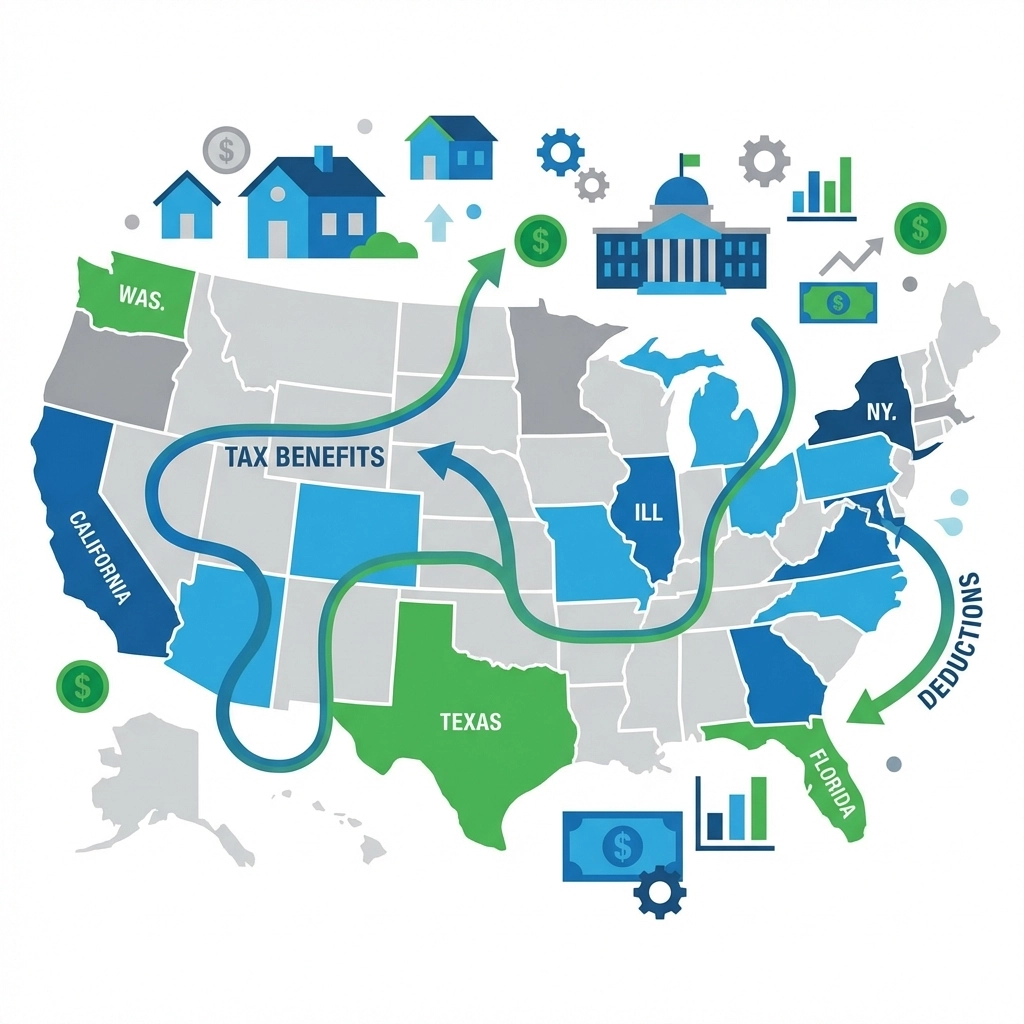
The state and local tax (SALT) deduction cap increases dramatically from $10,000 to $40,000 through tax year 2029. This change provides substantial relief for taxpayers in high-tax states like Connecticut, New York, and California.
SALT Deduction Details
Covered Taxes:
- State and local income taxes OR sales taxes (choose the higher amount)
- Real estate taxes on personal residences
- Qualified personal property taxes
Income-Based Reductions:
The $40,000 cap gradually reduces once your adjusted gross income reaches $500,000. The reduction continues until the cap returns to $10,000 at higher income levels. Both the overall limit and AGI threshold adjust annually for inflation.
Strategic Considerations:
- Compare itemizing versus standard deduction with the higher SALT cap
- Consider timing property tax payments to maximize deductions
- Evaluate state income tax withholding and estimated payment timing
Strategic Tax Planning for Maximum Refunds!
Compare Itemizing Versus Standard Deduction
With the higher SALT cap and elimination of most itemized deduction limitations, calculate both scenarios:
- Standard Deduction Path: Base amount plus age/blindness additions
- Itemized Deduction Path: SALT taxes + mortgage interest + charitable contributions + other qualifying expenses
Choose the method that provides the larger deduction amount.
Stack Multiple New Deductions
Combine qualifying deductions for maximum benefit:
- Senior deduction (if eligible)
- Qualified income deductions (tips, overtime, car loan interest)
- Above-the-line charitable deduction
- PMI deduction
Enter these deductions on Schedule 1-A to reduce your adjusted gross income before calculating other credits and deductions.
Verify Documentation Requirements
Ensure proper documentation for new credits and deductions:
- Valid Social Security Numbers for Child Tax Credit claims
- Detailed records for qualified income deductions
- Form 1098 for PMI deduction claims
- Receipts and acknowledgments for charitable contributions
Plan Around Phase-Out Thresholds
If your income approaches deduction or credit phase-out levels, consider these strategies:
- Defer income to the following tax year when possible
- Accelerate deductions into the current tax year
- Maximize retirement contributions to reduce adjusted gross income
- Time estimated tax payments strategically
Take Action Now for Your 2026 Tax Return!
These significant tax law changes create substantial opportunities to increase your 2026 refund. Start planning now by:
- Review your current tax situation against the new deduction and credit rules
- Gather documentation for any new deductions you may qualify for
- Calculate potential savings from the higher SALT cap if you itemize
- Consult with a tax professional to develop a comprehensive strategy
The complexity of these new provisions requires careful planning and accurate preparation. Professional guidance ensures you claim every available benefit while maintaining compliance with all requirements.
Ready to maximize your 2026 tax refund? Contact Jose's Tax Service today to discuss how these changes affect your specific situation and develop a personalized tax strategy that puts more money back in your pocket.

Leave a Reply
You must be logged in to post a comment.