
2026 Tax Law Changes: 7 Updates That Could Boost Your New Haven Tax Refund (And 3 That Could Cost You)
New Haven, Connecticut – The One Big Beautiful Bill Act (OBBA) has introduced sweeping tax changes that will significantly impact your 2025 tax return, filed in spring 2026. Connecticut taxpayers, particularly those in high-tax areas like New Haven County, should understand these modifications immediately.
These changes present both opportunities and challenges. Seven key updates could substantially increase your refund, while three provisions may reduce your tax benefits. Here's what New Haven taxpayers need to know.
Seven Tax Changes That Could Boost Your 2026 Refund!
1. Increased Standard Deduction Provides Immediate Relief
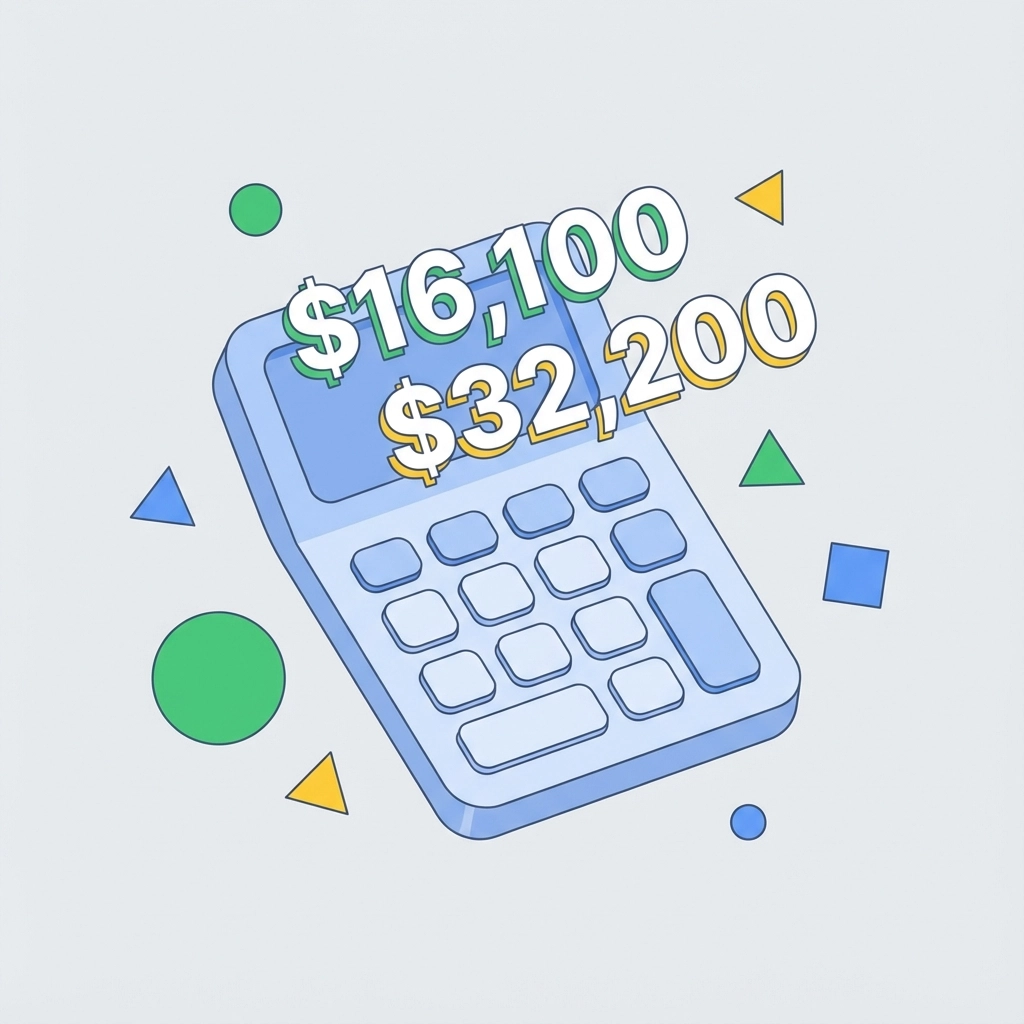
The standard deduction increases to $16,100 for single filers and $32,200 for married couples filing jointly in 2026. This represents an increase from $15,750 and $31,500 respectively in 2025.
Action Required: Compare your potential itemized deductions against these new standard deduction amounts. Many taxpayers who previously itemized may benefit more from taking the standard deduction in 2026.
2. SALT Deduction Cap Jumps to $40,000!
Connecticut taxpayers receive substantial relief through the increased State and Local Tax (SALT) deduction cap, rising from $10,000 to $40,000 in 2025. This change particularly benefits New Haven area residents who face high state income taxes and property taxes.
Important Limitation: The enhanced SALT deduction phases out for taxpayers with modified adjusted gross income exceeding $500,000.
Planning Opportunity: Review your Connecticut state tax withholding and property tax payment timing to maximize this deduction.
3. Senior Deduction: Up to $6,000 Additional Deduction
Taxpayers aged 65 or older can claim an additional deduction of up to $6,000. This deduction applies whether you itemize or take the standard deduction, with a lifetime cap of $25,000.
Phase-Out Schedule:
- Single filers: Begins at $75,000, complete phase-out at $175,000
- Joint filers: Begins at $150,000, complete phase-out at $250,000
Filing Requirement: Use the appropriate forms and schedules to claim this deduction properly.
4. Enhanced Standard Deduction for Seniors
Beyond the new senior deduction, taxpayers 65 or older receive additional standard deduction increases:
- $2,050 additional for single filers
- $1,650 additional per qualifying spouse for married couples
Double Benefit: If you're both 65 or older and legally blind, these amounts double.
5. No Tax on Tips Using Schedule 1-A
Eligible workers can exclude tip income from taxation using the new Schedule 1-A. This provision particularly benefits New Haven's substantial hospitality and service sector workforce.
Eligibility Requirements: Consult current IRS guidelines to determine tip exclusion eligibility for your specific employment situation.

6. Overtime Pay Exclusion: Up to $12,500
Schedule 1-A allows eligible workers to claim a deduction for qualified overtime pay. Unmarried taxpayers can exclude up to $12,500 in overtime compensation.
Documentation Required: Maintain detailed records of overtime hours and compensation to support this deduction.
7. Car Loan Interest Deduction: $10,000 Maximum
Taxpayers can deduct up to $10,000 in car loan interest for new U.S.-assembled vehicles.
Phase-Out Thresholds:
- Single filers: Begins at $150,000
- Joint filers: Begins at $300,000
Vehicle Requirements: The vehicle must be new and assembled in the United States to qualify for this deduction.
Three Tax Changes That Could Cost You Money!
1. Charitable Contribution Threshold Increases
Starting in 2026, itemized charitable contributions face a new threshold requirement. Taxpayers can only deduct charitable contributions that exceed 0.5% of their adjusted gross income.
Example: A taxpayer with $100,000 in adjusted gross income must exceed $500 in charitable contributions before any deduction applies.
Planning Strategy: Consider bunching charitable contributions into alternate years to exceed the threshold more effectively.

2. Itemized Deduction Cap for High-Income Taxpayers
High-income taxpayers face new limitations on itemized deductions. Taxpayers in the highest tax bracket will see their itemized deductions capped at the 35% tax rate starting in 2026.
Income Thresholds:
- Single filers: $640,600
- Joint filers: $768,700
Impact: This cap particularly affects Connecticut residents with substantial state income tax and property tax deductions.
3. Income Phase-Outs Reduce Benefits
Most new deductions include income-based phase-outs that eliminate benefits for higher-income taxpayers:
Senior Deduction Phase-Outs:
- Complete elimination at $175,000 (single)
- Complete elimination at $250,000 (joint)
Car Loan Interest Phase-Outs:
- Begins at $150,000 (single)
- Begins at $300,000 (joint)
Planning Consideration: Review income timing strategies to potentially stay below phase-out thresholds.
Critical Deadlines and Action Items for New Haven Taxpayers
Immediate Actions Required:
- Review current withholding amounts based on new standard deductions
- Evaluate itemized versus standard deduction strategies
- Assess eligibility for new senior deductions
- Document overtime pay and tip income for potential exclusions
- Plan charitable contribution timing around new thresholds
Connecticut-Specific Considerations:
- Coordinate state tax planning with federal SALT deduction changes
- Review property tax payment timing for maximum deduction benefit
- Consider Connecticut estate tax implications of federal changes
Professional Consultation Recommended: These complex changes require careful analysis of individual circumstances. The interaction between federal changes and Connecticut state tax requirements demands professional review.
Implementation Timeline
These provisions apply to your 2025 tax year, with returns filed beginning in spring 2026. Early planning allows maximum benefit capture and proper documentation establishment.
Record-Keeping Requirements: Begin maintaining detailed documentation for new deductions immediately. Proper substantiation prevents future compliance issues and audit complications.
The 2026 tax landscape presents significant opportunities alongside notable challenges. New Haven taxpayers should evaluate these changes promptly to maximize benefits while avoiding unexpected costs. Professional tax consultation ensures optimal strategy implementation and compliance with all requirements.
Contact Jose's Tax Service to review how these changes affect your specific situation and develop strategies to maximize your 2026 tax benefits.

Leave a Reply
You must be logged in to post a comment.