
5 Steps: How to Maximize Your Tax Refund Using the New 2025 OBBBA Act Changes (Easy Guide for New Haven Taxpayers)
New Haven, CT – December 26, 2025 – The One Big Beautiful Bill Act (OBBBA) has introduced significant changes to the federal tax code for 2025, creating new opportunities for taxpayers to maximize their refunds. Connecticut residents, particularly those in New Haven, stand to benefit substantially from these modifications due to the state's high tax environment.
Understanding these changes can mean the difference between a modest refund and thousands of dollars back in your pocket. Here's your step-by-step guide to leveraging the new tax law changes for maximum benefit.
Step 1: Claim the Increased Standard Deduction!
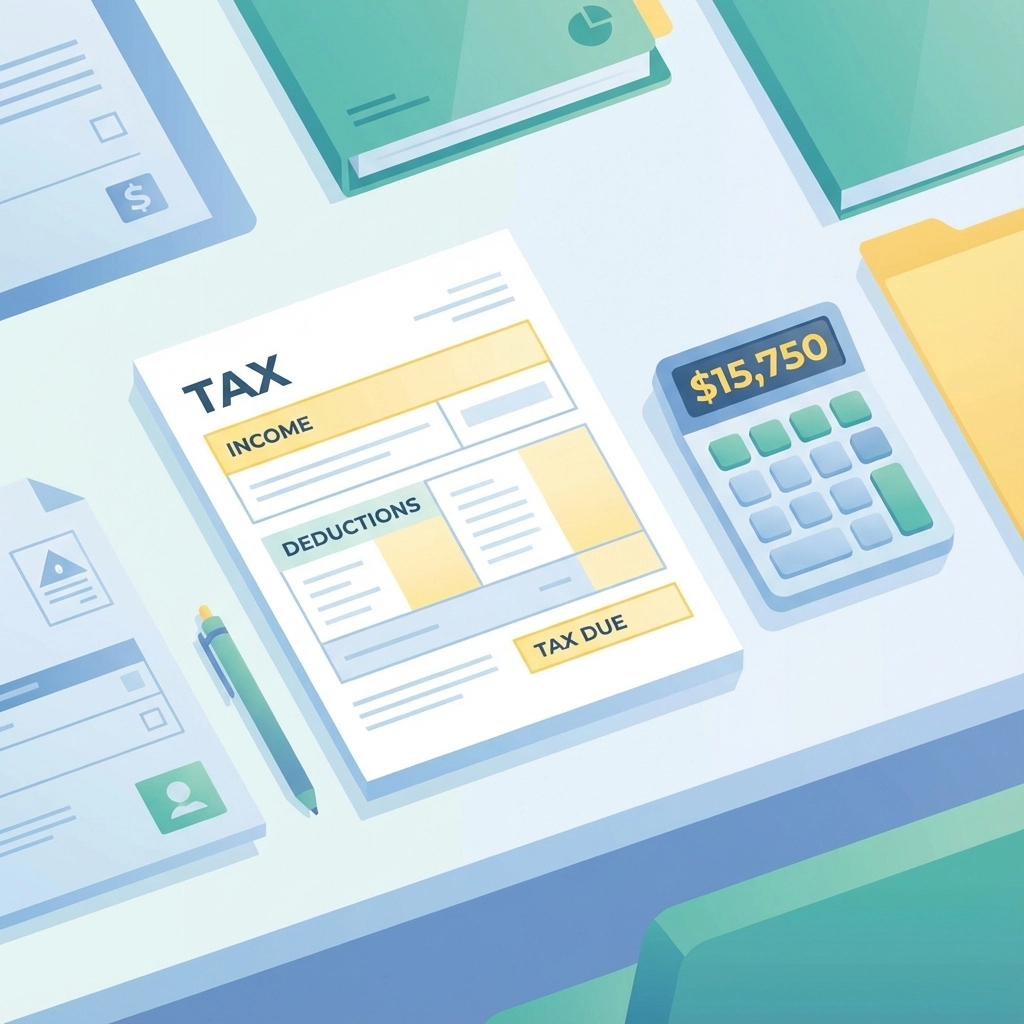
The OBBBA Act has permanently increased the standard deduction to $15,750 for single filers and $31,500 for married couples filing jointly. This represents a significant jump from previous years and affects your tax strategy immediately.
Action Required: Before itemizing deductions, calculate whether the new standard deduction exceeds your total itemized deductions. For most New Haven taxpayers, this increased standard deduction may eliminate the need to itemize altogether, simplifying your tax preparation process.
Key Consideration: If your itemized deductions (including mortgage interest, charitable contributions, and state taxes) total less than the new standard deduction amounts, take the standard deduction. This decision alone can reduce your taxable income substantially.
Double-check your filing status to ensure you're claiming the correct amount. Head of household filers receive enhanced benefits under the new structure, making accurate status determination crucial for maximum refund potential.
Step 2: Secure the New Senior Deduction for Ages 65 and Older!
Taxpayers aged 65 and older can now claim an additional $6,000 deduction on top of their standard or itemized deductions for tax years 2025 through 2028. This provision specifically targets senior taxpayers who may have fixed incomes but substantial living expenses.
Eligibility Requirements:
- Must be age 65 or older by December 31, 2025
- Requires valid Social Security number
- Subject to income phase-outs starting at $75,000 (single) or $150,000 (married filing jointly)
Income Phase-Out Details: The deduction phases out completely when Modified Adjusted Gross Income (MAGI) reaches $87,500 for single filers or $175,000 for joint filers. Calculate your MAGI carefully to determine your eligible deduction amount.
Filing Strategy: If you're close to the phase-out threshold, consider deferring income to 2026 or accelerating deductible expenses to 2025 to maximize your benefit from this provision.
Step 3: Maximize Your SALT Deduction with the New $40,000 Cap!
Connecticut taxpayers face some of the highest state and local tax burdens in the nation. The OBBBA Act raises the state and local tax (SALT) deduction cap from $10,000 to $40,000 for 2025, with annual inflation adjustments of 1% through 2029.
New Haven Specific Benefits: Given Connecticut's state income tax rates ranging from 3% to 6.99% and property tax rates that can exceed 2% of home value, many New Haven homeowners can now fully deduct their state and local taxes.
Strategic Planning Steps:
- Gather all property tax statements for 2025
- Collect state income tax withholding information from W-2s and 1099s
- Calculate total state and local taxes paid, including estimated payments
- Consider prepaying 2026 property taxes in December 2025 if beneficial
Itemization Decision: With the increased SALT cap, more Connecticut taxpayers should compare itemizing versus the standard deduction. The combination of mortgage interest, charitable contributions, and up to $40,000 in state and local taxes may exceed the standard deduction thresholds.

Step 4: Claim the Enhanced Child Tax Credit of $2,200!
The OBBBA Act increases the Child Tax Credit from $2,000 to $2,200 per qualifying child, with built-in inflation adjustments for years after 2025. This credit directly reduces your tax liability dollar-for-dollar.
Qualifying Criteria for 2025:
- Child must be under age 17 on December 31, 2025
- Child must be your dependent
- Child must have valid Social Security number
- Income phase-outs apply at higher levels than previous years
Income Thresholds: The credit phases out for taxpayers with adjusted gross income exceeding $400,000 for married filing jointly or $200,000 for other filing statuses. Most New Haven families remain eligible for the full credit amount.
Refundable Portion: Up to $1,600 of the credit remains refundable, meaning you can receive this amount even if you owe no federal income tax. The additional $600 applies only against tax liability but cannot generate a refund.
Planning Tip: If you have multiple qualifying children, multiply $2,200 by the number of eligible dependents to calculate your total credit. This calculation can significantly impact your refund amount.
Step 5: Take Advantage of Specialized Deductions and Credits!
The OBBBA Act introduces several targeted provisions that may apply to specific taxpayer situations in New Haven.
Tips Income Deduction: Workers in the hospitality industry can deduct up to $25,000 in tip income above-the-line for tax years 2025 through 2028. This deduction phases out for taxpayers with income exceeding $150,000 (single) or $300,000 (married filing jointly).
Application for New Haven Workers: Given New Haven's restaurant and hospitality sector, servers, bartenders, and other tipped employees should track all tip income carefully to maximize this deduction.

Adoption Tax Credit Enhancement: The adoption tax credit becomes partially refundable beginning in 2025, with up to $5,000 of qualifying expenses refundable even if you owe no federal tax. This change significantly benefits families completing adoptions.
Overtime Pay Provisions: Ensure your employer properly designates overtime wages on Form W-2. Certain overtime pay may receive favorable tax treatment under the new law, potentially reducing your overall tax burden.
Critical Filing Deadlines and Next Steps!
Immediate Actions Required:
- Gather all 2025 tax documents by January 31, 2026
- Calculate whether itemizing or standard deduction provides greater benefit
- Review eligibility for all new credits and deductions
- Consider year-end tax planning strategies before December 31, 2025
Professional Consultation Recommended: Given the complexity of the OBBBA changes and their interaction with Connecticut state tax law, consultation with a qualified tax professional ensures you capture all available benefits while remaining compliant with both federal and state requirements.
Record Keeping Requirements: Maintain detailed documentation for all claimed deductions and credits. The IRS may request substantiation for any items claimed on your return, particularly new provisions under the OBBBA Act.
State Tax Considerations: Remember that Connecticut may not conform to all federal tax changes immediately. Understanding the interaction between federal and state tax benefits requires careful analysis of both tax codes.
The 2025 tax law changes present unprecedented opportunities for New Haven taxpayers to reduce their federal tax burden. By systematically applying these five steps and maintaining accurate records, you can maximize your refund while ensuring full compliance with the new tax requirements.
For personalized guidance on implementing these strategies for your specific situation, contact Jose's Tax Service to schedule a consultation with experienced tax professionals familiar with both federal and Connecticut tax law changes.

Leave a Reply
You must be logged in to post a comment.