
2025 Tax Law Changes Explained: How the New OBBBA Act Affects Your Refund (And What to Do Now)
The One Big Beautiful Bill Act (OBBBA) has officially reshuffled the tax landscape for 2025, and if you haven't been paying attention, you might be leaving serious money on the table. These aren't minor tweaks – we're talking about substantial changes that could dramatically increase your tax refund or reduce what you owe when you file next year.
As we're already deep into December 2025, it's time to understand exactly how these changes impact your bottom line and what actions you need to take before the year ends.
Standard Deduction Increases Are Now Permanent!
The most significant change for everyday taxpayers is the permanent extension of the higher standard deductions. These amounts were set to expire, but OBBBA made them permanent, providing long-term tax relief.
For 2025, your standard deduction amounts are:
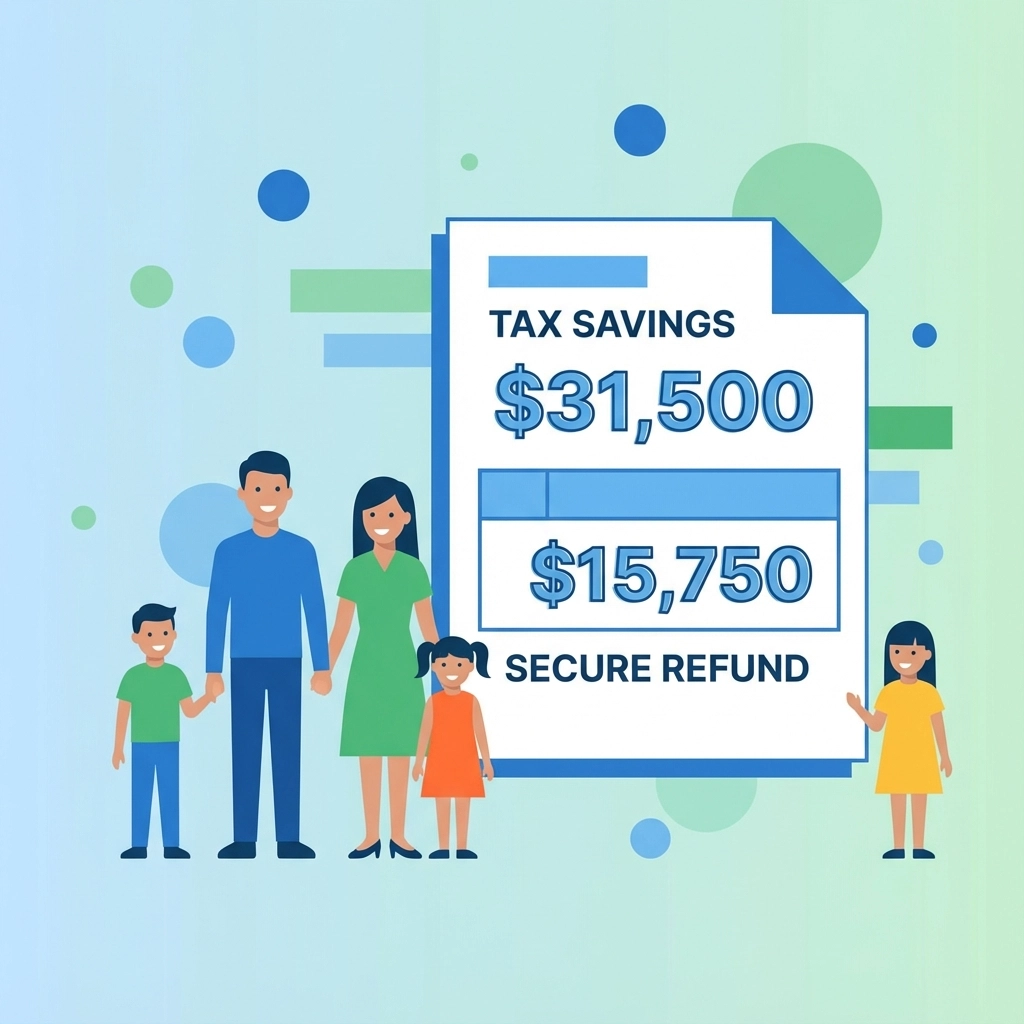
- Single filers: $15,750
- Married filing jointly: $31,500
- Head of household: $23,625
- Married filing separately: $15,750
This means if you're married filing jointly, the first $31,500 of your income is completely tax-free. For most middle-class families, this alone could increase your refund by hundreds or even thousands of dollars compared to what you might have expected under the old rules.
SALT Deduction Cap Jumps to $40,000
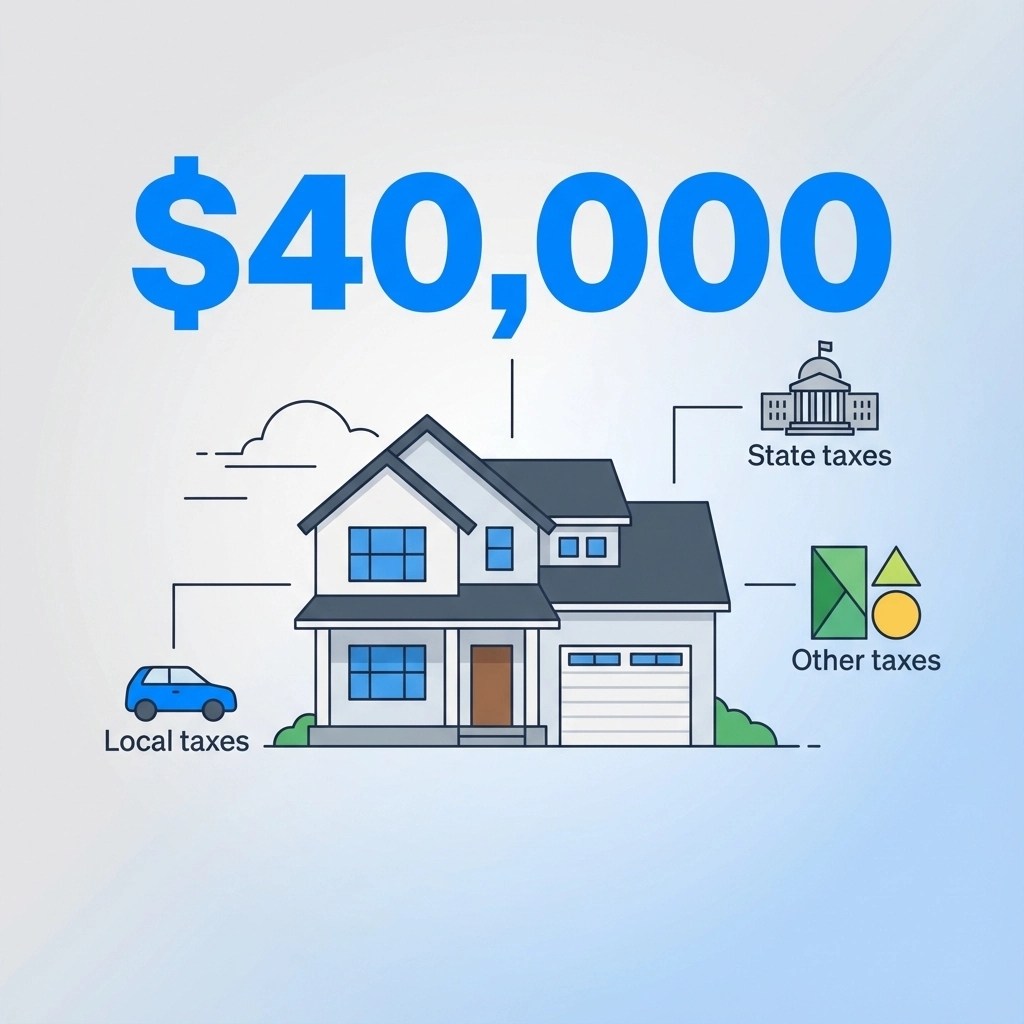
Here's where things get really interesting. The State and Local Tax (SALT) deduction cap has been quadrupled from $10,000 to $40,000 for 2025. This change specifically benefits homeowners and taxpayers in higher-tax states like Connecticut, New York, and California.
If you've been maxed out at the $10,000 SALT cap, you can now deduct up to $40,000 in:
- State income taxes
- Property taxes
- Sales taxes (if you elect this instead of state income tax)
Important note: This expanded cap phases out for high earners with modified adjusted gross income exceeding $500,000. The cap will increase by 1% annually through 2029, then revert back to $10,000 in 2030.
This change might completely alter your itemization strategy. Many taxpayers who switched to the standard deduction when SALT was capped at $10,000 should now recalculate whether itemizing makes more sense.
Child Tax Credit Boosted to $2,200
Parents, this one's for you. The child tax credit has been permanently increased from $2,000 to $2,200 per qualifying child. While $200 might not sound like much, it adds up quickly:
- One child: $200 additional credit
- Two children: $400 additional credit
- Three children: $600 additional credit
This is a dollar-for-dollar reduction in your tax liability, which means more money back in your pocket. The credit will also be adjusted annually for inflation starting in 2026.
New $6,000 Senior Exemption
If you're 65 or older, OBBBA created a brand new $6,000 personal exemption just for you. This deduction is available for tax years 2025 through 2028 and can be claimed in addition to your standard deduction or itemized deductions.
However, this exemption phases out based on income:
- Single filers: Begins phasing out at $75,000 modified AGI
- Married filing jointly: Begins phasing out at $150,000 modified AGI
The phase-out rate is 6% for each dollar above these thresholds. You must have a valid Social Security number to claim this exemption.
Game-Changing Tip Income Deduction
Service industry workers, this could be huge for you. OBBBA created an above-the-line deduction for tip income of up to $25,000 annually for tax years 2025 through 2028.
This deduction:
- Doesn't require itemizing
- Applies to workers in food service, hospitality, and other tip-based industries
- Phases out at $150,000 modified AGI (single) or $300,000 (married filing jointly)
- Reduces dollar-for-dollar at $100 for every $1,000 above the phase-out threshold
If you earn significant tip income, this deduction could substantially reduce your taxable income and potentially turn a tax bill into a refund.

Enhanced Adoption Tax Credit
The adoption tax credit received a significant upgrade. While the maximum credit remains at $17,280 for 2025, up to $5,000 is now refundable. This means if your tax liability is less than the credit amount, you can still receive up to $5,000 as a refund.
Both the total credit amount and the refundable portion will be adjusted annually for inflation moving forward.
What These Changes Mean for Your Refund
Let's put this in practical terms. Consider a married couple filing jointly with two children:
Previous scenario:
- Standard deduction: $25,900
- Child tax credit: $4,000 (2 children × $2,000)
Under OBBBA:
- Standard deduction: $31,500
- Child tax credit: $4,400 (2 children × $2,200)
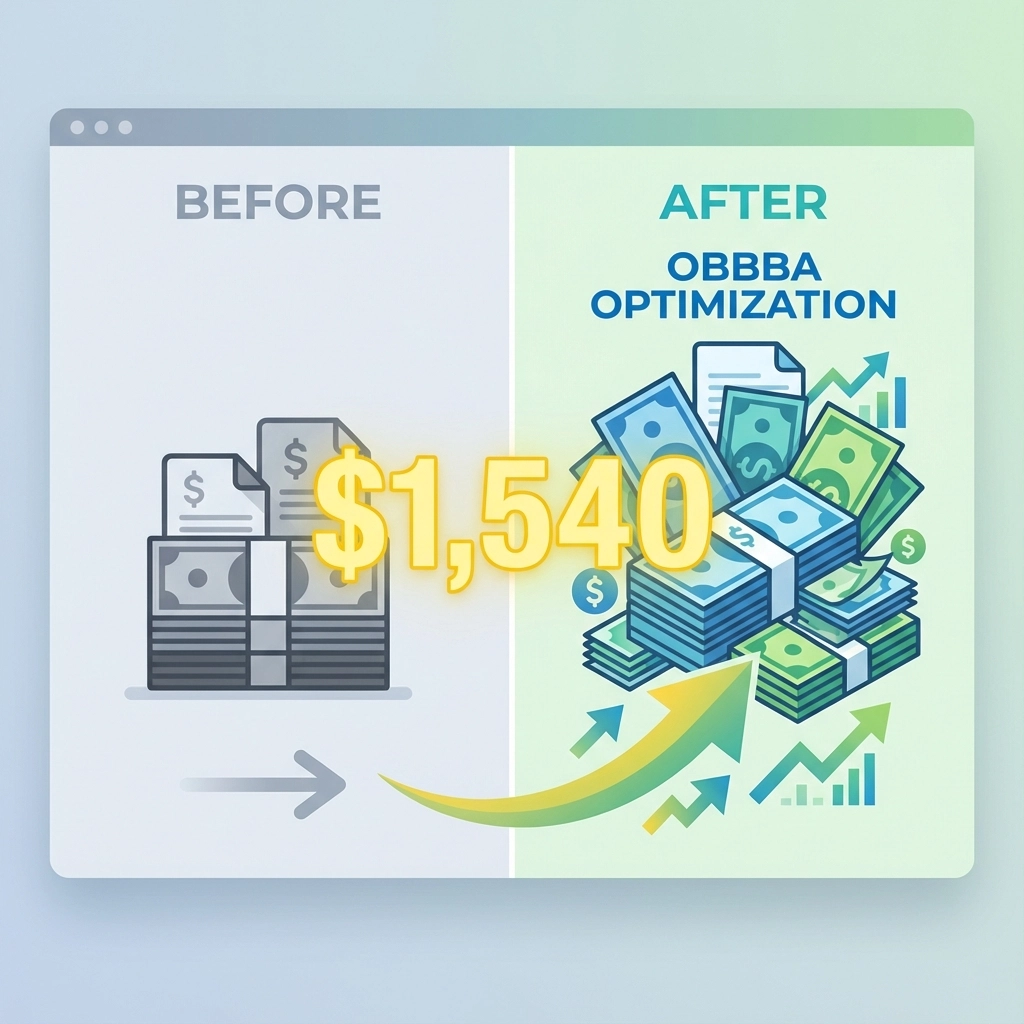
This family saves an additional $1,540 in taxes just from these two changes alone, assuming they're in the 22% tax bracket.
Action Items Before Year-End
Since we're in mid-December, here's what you need to do right now:
1. Recalculate Your Itemization Strategy
With the expanded SALT cap, many taxpayers should reconsider whether to itemize. Add up your:
- State and local taxes (up to $40,000)
- Mortgage interest
- Charitable contributions
- Medical expenses exceeding 7.5% of AGI
If this total exceeds your standard deduction, itemizing will save you money.
2. Adjust Your 2026 Withholding
If these changes result in a significantly larger refund, consider adjusting your W-4 for 2026. Getting more money in your paycheck throughout the year is better than giving the government an interest-free loan.
3. Maximize Deductible Contributions
Before December 31st, consider:
- Making additional charitable contributions if you're itemizing
- Contributing to traditional IRAs or 401(k)s
- Paying state and local taxes early if you're under the $40,000 cap
4. Organize Your Documentation
Start gathering all necessary documents now:
- W-2s and 1099s
- State and local tax payment records
- Receipts for tip income (if applicable)
- Adoption expense documentation
- Records of charitable contributions
Planning for Future Years
Remember, some of these provisions are temporary:
- The $40,000 SALT cap reverts to $10,000 in 2030
- The senior exemption ends after 2028
- The tip income deduction expires after 2028
Factor these expirations into your long-term financial planning. What works for 2025 and 2026 might not be optimal in 2030 and beyond.
The Bottom Line
OBBBA represents the most significant tax legislation in years, and the changes are overwhelmingly positive for middle-class taxpayers. Between higher standard deductions, expanded SALT caps, increased child tax credits, and new deductions for seniors and service workers, most families will see substantial tax relief.
The key is understanding how these changes apply to your specific situation and taking action before year-end to maximize your benefits. If you're unsure how these changes affect your tax situation, don't wait until filing season to figure it out.
Need help navigating these changes? Contact Jose's Tax Service to ensure you're maximizing every deduction and credit available under the new law. We'll help you understand exactly how OBBBA affects your refund and develop a strategy to minimize your 2025 tax liability.

Leave a Reply
You must be logged in to post a comment.