
7 Tax Planning Moves New Haven Small Businesses Are Missing (And How Concierge Tax Pros Close the Gap)
Let's be honest: most New Haven small business owners think tax planning means stuffing receipts in a shoebox and hoping for the best come April. But here's the reality: while you're scrambling to meet deadlines, thousands of dollars in legitimate deductions and credits are slipping through your fingers.
Professional tax preparation in New Haven isn't just about filing forms. It's about strategic tax planning that happens year-round, not just during tax season. The businesses that work with concierge tax pros typically save $8,000-$15,000 annually using strategies that most DIY filers don't even know exist.
So what exactly are these small business owners missing? Let's break down the seven biggest tax planning opportunities that could maximize your tax refund and keep more money in your pocket.
1. Accountable Plans: The Tax-Free Reimbursement Goldmine
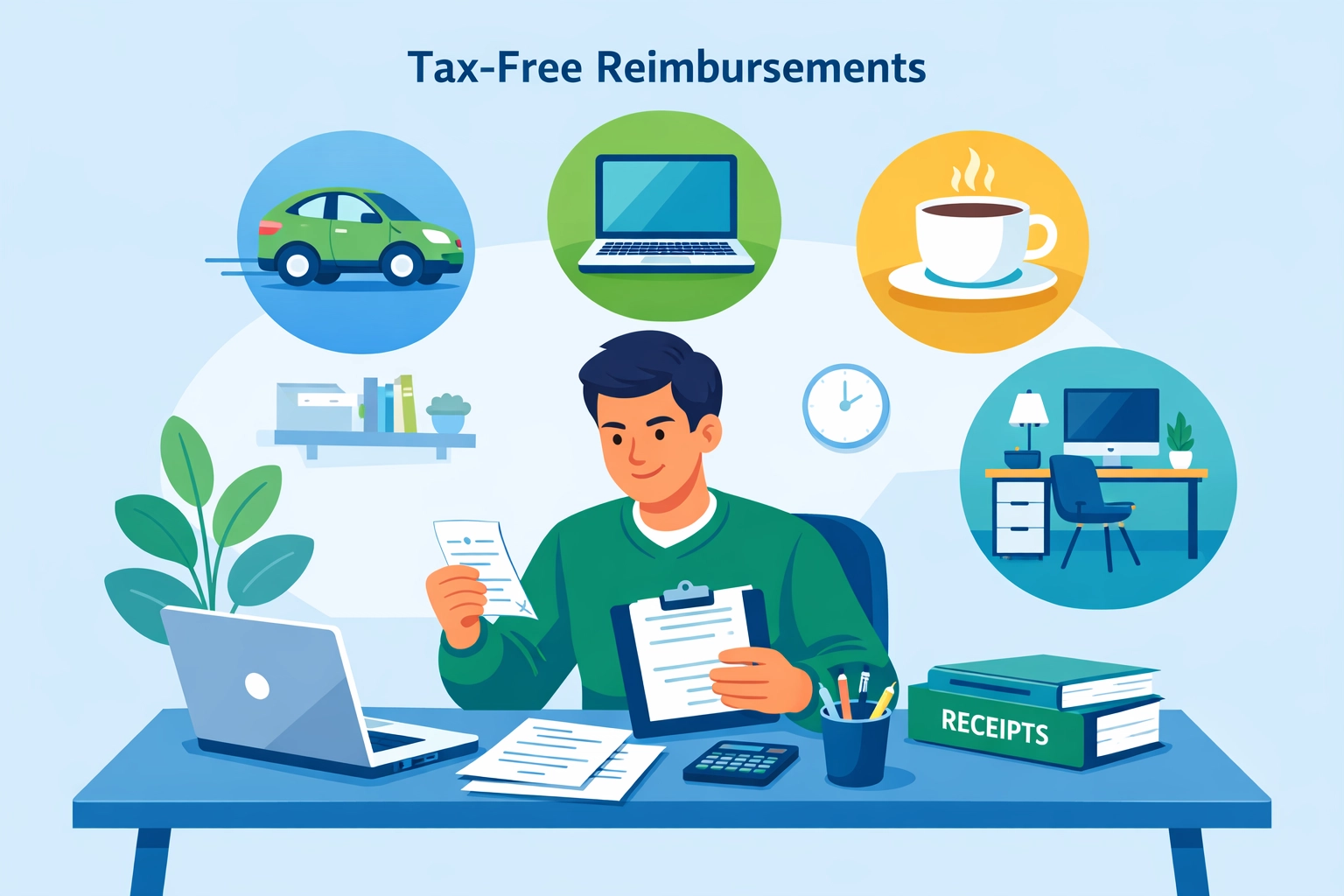
Here's a strategy that remains shockingly overlooked: accountable plans for employee reimbursements. If you're reimbursing yourself or employees for business expenses without a proper accountable plan, you're leaving $1,000-$5,000 on the table every year.
How it works: An accountable plan allows your business to reimburse employees (including you as the owner) for qualifying business expenses completely tax-free. No income tax. No payroll taxes. No Social Security or Medicare taxes.
What you need to do:
- Document the business connection of each expense
- Provide receipts and records within a reasonable timeframe
- Return any excess reimbursement within 120 days
- Establish written plan policies
The IRS has specific requirements, but once your accountable plan is properly structured, those business meal deductions, mileage reimbursements, and home office expenses become significantly more valuable. Professional tax preparation services in New Haven can set this up correctly the first time, ensuring compliance while maximizing savings.
2. Employee Benefit Tax Shields Worth $1,500-$8,000 Annually
If you're paying for health insurance out of pocket as a business owner, you may be missing a massive tax shield opportunity. Setting up tax-deductible employee benefits can generate $1,500-$8,000 in potential annual savings.
Key benefit strategies include:
- Health insurance premiums: 100% deductible for the business
- Health Savings Account (HSA) contributions: Triple tax advantage
- Dependent care assistance: Up to $5,000 annually
- Section 125 cafeteria plans: Pre-tax benefit elections
For self-employed owners, deducting health insurance premiums above-the-line reduces both income tax and self-employment tax. That's a double win that many business owners completely miss.
Connecticut small businesses have access to various benefit structures that can dramatically reduce taxable income. The trick is knowing which benefits apply to your specific situation and setting them up correctly: something concierge tax pros do during quarterly tax planning sessions.
3. Business Structure Optimization: Are You Paying Too Much?
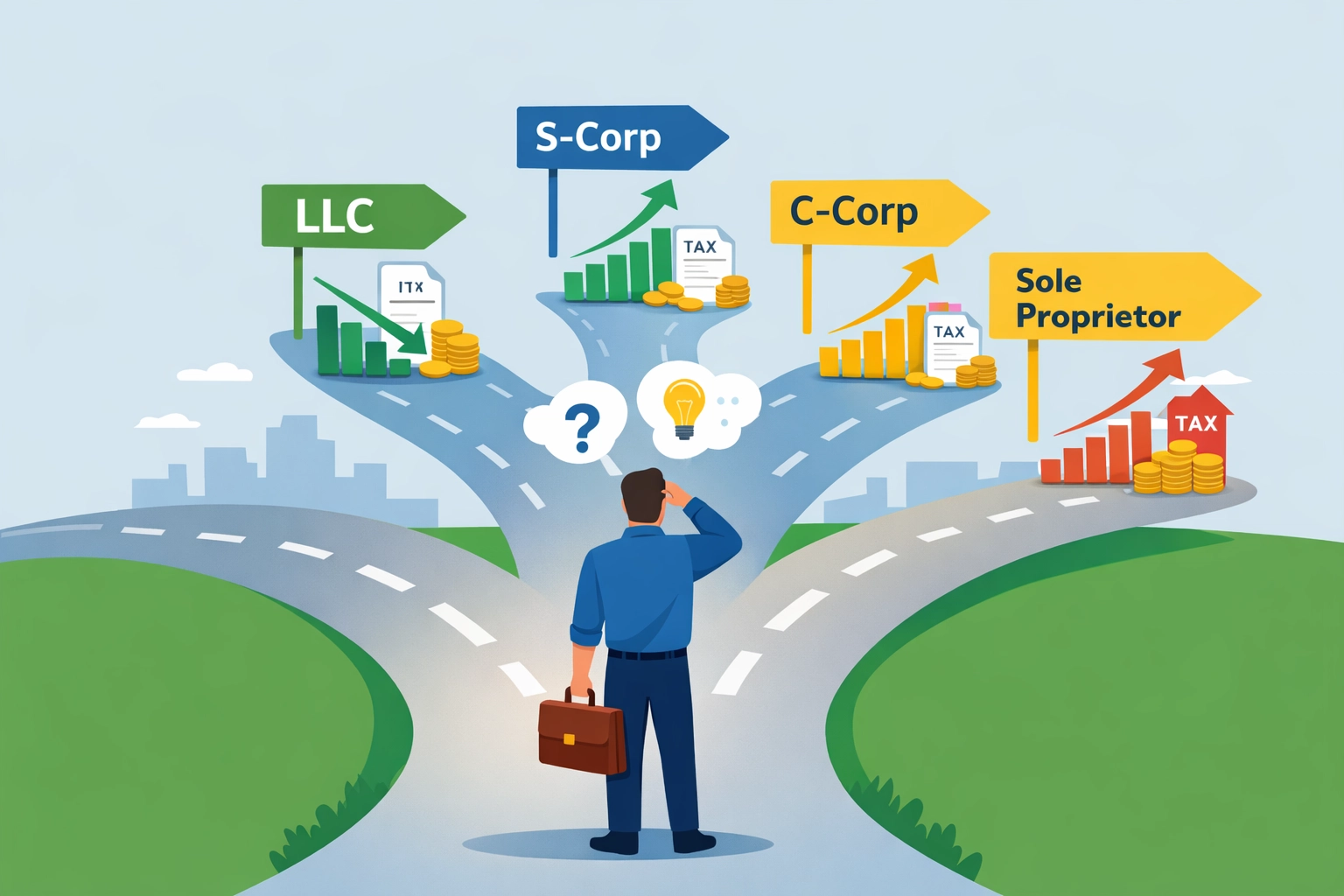
When was the last time you evaluated whether your business entity type is actually the best choice for your tax situation? If the answer is "never" or "when I first started," you could be overpaying significantly.
Entity types affect:
- Overall tax exposure
- Filing complexity
- Self-employment tax liability
- Qualified Business Income deduction eligibility
- Retirement plan contribution limits
A New Haven bakery operating as a sole proprietorship might save thousands by switching to an S Corporation structure once revenue hits certain thresholds. Conversely, a consulting business structured as a C Corp might benefit from reconsidering that election under current tax laws.
Professional tax advisors analyze your business structure during regular reviews, identifying when changes make sense. This isn't a one-time decision: it's an ongoing tax update process that should align with your business growth and changing tax laws.

4. Retirement Plan Contributions: Double-Duty Tax Strategy
Contributing to qualified retirement plans lowers your taxable income while building long-term wealth. Yet many small business owners treat this as an afterthought rather than a cornerstone of tax planning strategy.
Popular retirement plan options:
- Solo 401(k): Allows contributions up to $69,000 for 2024 (higher for 2026)
- SEP IRA: Simple setup with significant contribution limits
- SIMPLE IRA: Ideal for businesses with employees
- Defined Benefit Plans: Maximum deductions for high earners
The key is making these contributions strategically throughout the year, not scrambling in December. Concierge tax preparation services in New Haven help you calculate optimal contribution amounts based on projected income, ensuring you maximize tax refund potential without overextending cash flow.
Pro tip: Retirement contributions can often be made up until your tax filing deadline (including extensions), giving you flexibility to fine-tune based on actual year-end income.
5. Comprehensive Deduction Tracking: Finding Hidden $800-$4,000
Legitimate business expenses often go unclaimed simply because small business owners don't have systems to track them properly. We're talking about $800-$4,000 in missed savings from deductions that absolutely qualify: they just never make it onto the tax return.
Commonly missed deductions include:
- Business mileage beyond obvious client visits
- Home office expenses (even partial use qualifies)
- Professional development and education
- Business insurance premiums
- Marketing and advertising costs
- Bank fees and credit card processing charges
- Software subscriptions and digital tools
- Professional memberships and publications
Systematic deduction detective work throughout the year: not just during tax preparation: ensures nothing slips through the cracks. This is where having a tax pro who understands your business becomes invaluable. They know what questions to ask and what documentation to request.
6. Tax Credits Beyond Standard Deductions
While everyone focuses on deductions, tax credits provide dollar-for-dollar reductions in tax liability: making them significantly more valuable. Yet small businesses frequently miss specialized credits that could save thousands.
High-value credits to explore:
Research & Development (R&D) Tax Credit: Not just for tech companies. If you've developed new products, improved processes, or created custom software solutions, you may qualify. Connecticut's 2026 tax update includes expanded R&D credit eligibility to support innovation.
Small Employer Health Insurance Premium Credit: If you provide health insurance to employees and meet specific criteria, you could claim up to 50% of premiums paid as a credit.
Work Opportunity Tax Credit: For hiring individuals from certain target groups, you can claim credits ranging from $2,400 to $9,600 per qualified employee.
Disabled Access Credit: Small businesses that make accessibility improvements may qualify for credits up to $5,000.
Professional tax preparation services actively hunt for these credits during quarterly reviews rather than discovering them too late. The application requirements are often time-sensitive and documentation-intensive, making proactive planning essential.
7. Strategic Income and Expense Timing
Tax planning isn't just about what you deduct: it's about when you recognize income and expenses. Strategic timing can shift thousands of dollars between tax years, aligning with expected profits and your tax bracket.
Timing strategies include:
- Deferring income: Delay billing or postpone year-end bonuses to the following tax year
- Accelerating expenses: Purchase necessary equipment or prepay expenses before year-end
- Bunching deductions: Concentrate deductible expenses in high-income years
- Estimated tax optimization: Adjust quarterly payments based on actual income patterns
Many businesses wait until December to think about this, but the most effective tax planning happens throughout the year. When you work with concierge tax pros, these conversations happen during quarterly meetings, not as last-minute scrambles.
2026 Tax Update: Connecticut continues to align closely with federal tax provisions, making timing strategies particularly effective for New Haven businesses operating in multiple states.
How Concierge Tax Pros Close These Gaps
The difference between basic tax preparation and concierge tax services comes down to engagement frequency and strategic depth. Standard tax prep happens once annually: you bring documents, they file forms, you're done until next year.
Concierge tax planning includes:
- Quarterly tax planning sessions to identify opportunities in real-time
- Business structure optimization analysis tailored to your specific situation
- Retirement plan setup and ongoing management
- Proactive credit identification throughout the year
- Systematic recordkeeping oversight to ensure nothing is missed
- Year-end strategy reviews with actionable recommendations
- Direct access when questions arise (not just during tax season)
This proactive approach transforms tax preparation from a dreaded annual event into an ongoing strategy that consistently saves money and reduces stress.
Take Action Before April 15
Tax planning isn't something that happens once a year: it's an ongoing process that requires attention, expertise, and strategic thinking. The seven moves outlined here represent real money that New Haven small businesses leave unclaimed every tax season.
If you're tired of wondering whether you're missing opportunities or if you could be doing more to maximize your tax refund, it's time to upgrade from basic tax preparation to strategic tax planning.
Professional tax preparation in New Haven means working with someone who understands Connecticut-specific regulations, federal tax updates for 2026, and most importantly: your unique business situation. The businesses that save the most aren't necessarily the largest or most profitable. They're the ones that plan ahead.
Ready to close the gap? Schedule your tax planning consultation before the April 15 deadline. Let's identify which of these seven strategies could put thousands back in your pocket this year.
Visit Jose's Tax Service or check our tax updates to stay informed about the latest tax planning opportunities for New Haven small businesses.

Leave a Reply
You must be logged in to post a comment.