
7 Tax Planning Moves New Haven Filers Are Making Right Now (That Could Maximize Your Refund)
New Haven, CT – February 15, 2026 : Tax season is in full swing, and savvy New Haven filers aren't just filling out forms. They're strategically positioning themselves to maximize their refunds and minimize what they owe. With Connecticut's unique tax environment and recent federal changes, there are several moves you can make right now to keep more money in your pocket.
Here are seven tax planning strategies that New Haven residents are using this season to boost their refunds and reduce their tax bills.
1. Harvest Your Investment Losses to Offset Gains!
Tax loss harvesting is one of the smartest moves you can make before finalizing your 2025 return. The strategy is simple: sell investments that lost value to offset gains from profitable investments.
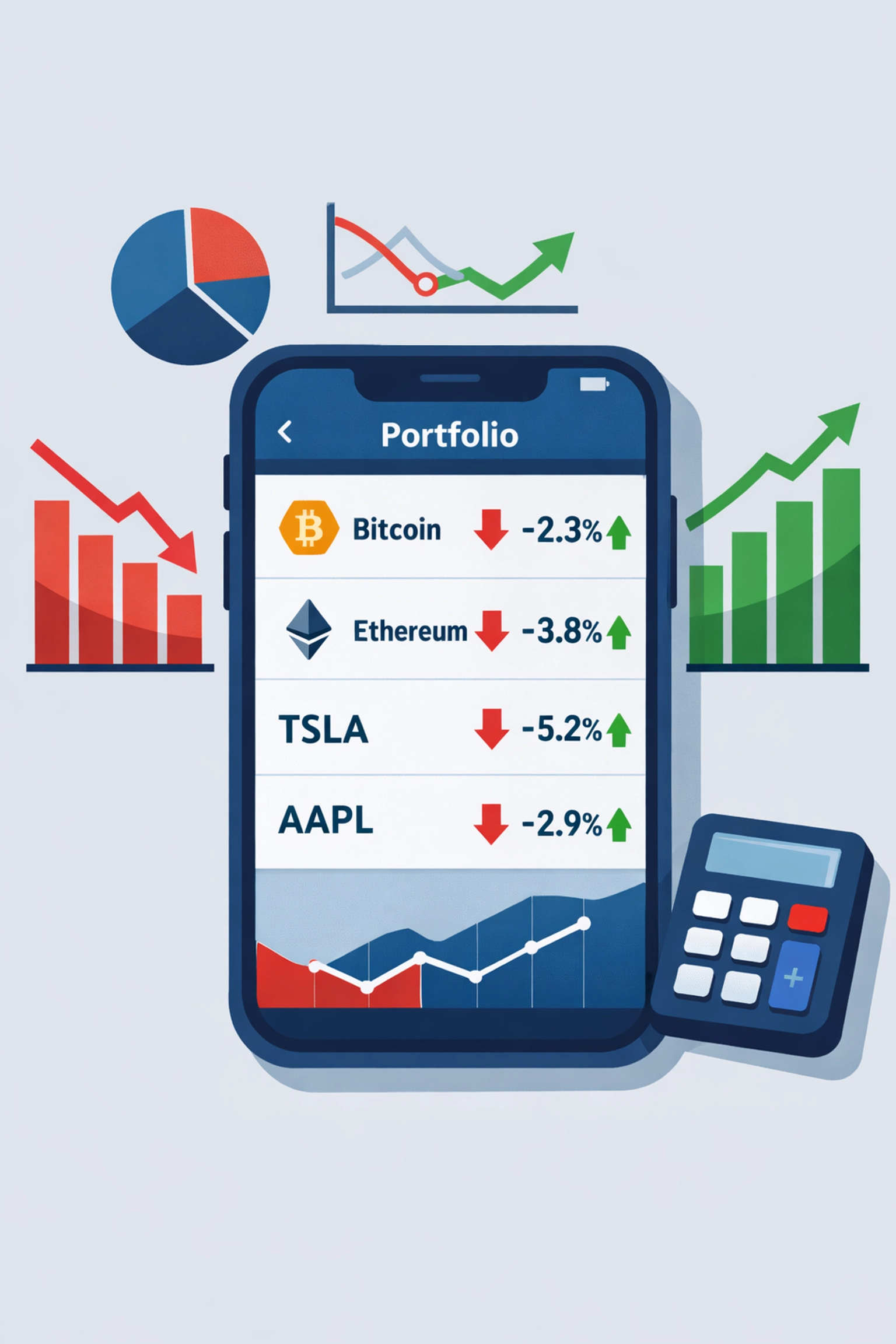
New Haven filers with stock portfolios, mutual funds, or cryptocurrency holdings are using this technique to significantly reduce taxable income. If you sold crypto at a profit in 2025, selling underperforming positions can offset those gains dollar-for-dollar.
Here's how it works:
- Calculate your capital gains for 2025
- Identify securities or crypto assets that declined in value
- Sell those positions before finalizing your return
- Use losses to offset gains (up to $3,000 in ordinary income if losses exceed gains)
This move is particularly powerful for New Haven residents who invested in volatile assets. While Connecticut taxes capital gains at the same rate as ordinary income, the federal savings can be substantial: especially if you're in a higher tax bracket.
2. Hold Your Assets Longer to Trigger Lower Tax Rates!
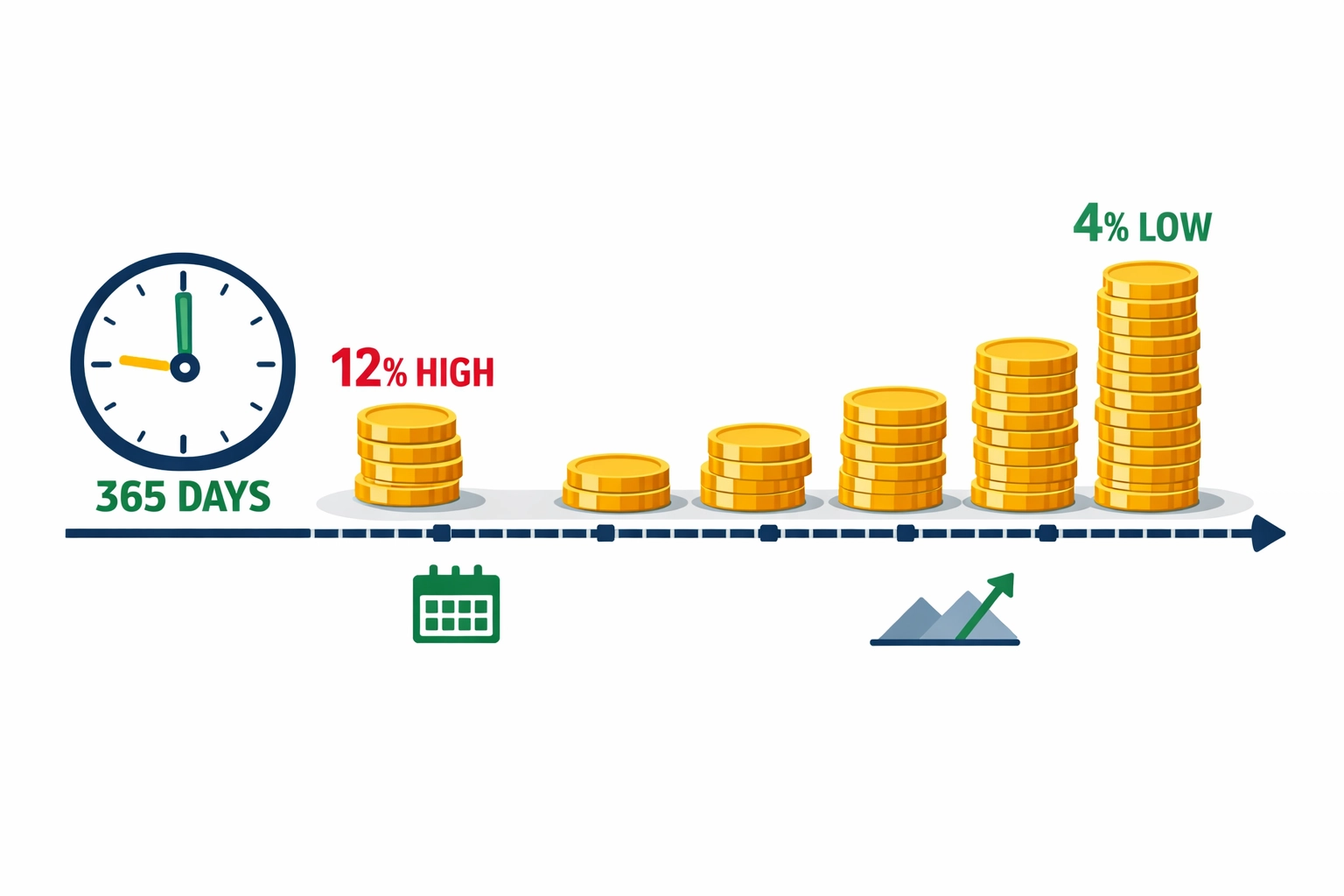
Timing matters when it comes to selling investments. Assets held for more than one year qualify for long-term capital gains rates (0%, 15%, or 20% federally), which are dramatically lower than short-term rates.
Short-term gains are taxed as ordinary income, meaning you could pay up to 37% federally plus Connecticut's rate up to 6.99%. Long-term gains? Much friendlier to your wallet.
Action step for 2026: Review your portfolio now. If you're sitting on appreciated assets purchased in early 2025, consider waiting until they cross the one-year threshold before selling. This simple timing decision can save thousands in taxes.
3. Max Out Retirement Contributions Before the Deadline!
One of the most effective tax planning moves is increasing contributions to tax-deferred retirement accounts. Contributions to 401(k), 403(b), and 457(b) plans directly reduce your 2025 taxable income.
For 2025 tax returns, the 401(k) contribution limit was $23,000 ($30,500 if you're 50 or older). Even if you didn't max out during 2025, you can still contribute to a traditional IRA until April 15, 2026.
Self-employed New Haven residents: Don't overlook solo 401(k)s and SEP IRAs. These accounts allow significantly higher contribution limits and can shelter substantial income from both federal and Connecticut taxes.
Cryptocurrency business owners can even invest retirement funds in digital assets through self-directed IRAs, combining tax-deferred growth with portfolio diversification.
4. Donate Appreciated Assets Instead of Cash!
Connecticut residents are generous supporters of local nonprofits like the Community Foundation for Greater New Haven. But many filers are leaving money on the table by donating cash instead of appreciated securities or cryptocurrency.
Here's why donating appreciated assets is smarter:
- Deduct the full fair market value of the asset
- Avoid paying capital gains tax on the appreciation
- Charity receives the full value without tax consequences
Example: You bought stock for $5,000 that's now worth $15,000. If you sell and donate the cash, you'll owe capital gains tax on the $10,000 gain. But if you donate the stock directly, you deduct $15,000 and pay zero capital gains tax.
This strategy works for crypto assets too. Just make sure the charity is equipped to accept cryptocurrency donations before initiating the transfer.
5. Claim Every Business Deduction You're Entitled To!
New Haven residents operating side hustles, crypto mining operations, or blockchain businesses often miss significant deductions. Mining income is taxable, but operational expenses are fully deductible on Schedule C.

Common overlooked deductions for crypto and home-based businesses:
- Electricity costs (proportional to business use)
- Internet and phone service
- Computer hardware and mining equipment
- Home office space (use Form 8829)
- Professional development and training
- Software subscriptions and cloud storage
Self-employed filers should also review the Qualified Business Income (QBI) deduction, which allows eligible businesses to deduct up to 20% of qualified income. This deduction alone can save thousands for New Haven's growing freelancer and gig economy workforce.
6. Tap Into Connecticut's R&D and Innovation Tax Credits!
Connecticut offers specialized tax credits that many New Haven filers don't know exist. If you're developing fintech applications, blockchain technology, or other innovative products, you may qualify for Research and Development (R&D) tax credits.
These credits directly reduce your Connecticut state tax liability: not just your taxable income, but the actual tax you owe.
Qualifying activities include:
- Software development and testing
- Blockchain protocol design
- Crypto security research
- Product prototyping and experimentation
The process requires documentation of research activities and expenses, but the payoff can be substantial. Many small businesses and independent developers qualify without realizing it.
Working with a tax professional experienced in Connecticut business credits ensures you don't leave money on the table.
7. Adjust Your Withholding to Optimize Cash Flow!
Getting a large refund feels great, but it means you've been giving the government an interest-free loan all year. New Haven filers are reviewing their withholding now to optimize their 2026 cash flow.
Use Form W-4 to adjust withholding if you're an employee. Self-employed filers should recalculate quarterly estimated tax payments based on projected 2026 income.
Why this matters:
- Underpayment penalties can be costly if you don't pay enough throughout the year
- Overwithholding means less money available for investments, debt repayment, or expenses
- Proper planning prevents surprises at tax time
Review your 2025 return to understand your effective tax rate, then adjust withholding to match your expected 2026 liability. This strategy puts your money to work for you throughout the year instead of waiting for a refund check in 2027.
Take Action Now to Maximize Your 2025 Refund!
Tax planning isn't just for the wealthy. These seven strategies are accessible to everyday New Haven filers willing to be proactive about their financial future.
The key is acting before April 15, 2026. Some moves: like IRA contributions and charitable donations: can still impact your 2025 return if completed by the filing deadline. Others require planning for 2026 and beyond.
Don't know where to start? A qualified tax preparation professional can review your specific situation and identify opportunities you're missing. At Jose's Tax Service, we specialize in helping New Haven residents navigate both federal and Connecticut tax requirements to maximize refunds and minimize stress.
Tax planning works best when it's personalized to your financial situation. These seven moves are making a real difference for New Haven filers this season: and they could work for you too.
Ready to maximize your refund? Schedule your consultation today and discover what you've been leaving on the table.

Leave a Reply
You must be logged in to post a comment.