
7 Mistakes You’re Making with Your 2026 Tax Return (and How to Fix Them Fast)
New Haven, CT – February 15, 2026 – Tax season is here, and millions of Americans are making preventable mistakes that cost them money, delay their refunds, or trigger IRS notices. With the April 15 deadline approaching, now is the time to get your return right the first time.
The IRS processes over 150 million individual tax returns annually, and a significant portion contain errors that slow processing or reduce refunds. Most of these mistakes are easily avoidable with proper preparation and guidance.
Here are the seven most common tax filing errors taxpayers make in 2026: and exactly how to fix them.
Mistake #1: Procrastinating Until the Last Minute!
Nearly one in four taxpayers waits until the final weeks before the deadline to start their return. This rushed approach increases the likelihood of missing important forms, overlooking valuable credits, and making careless errors that delay processing.
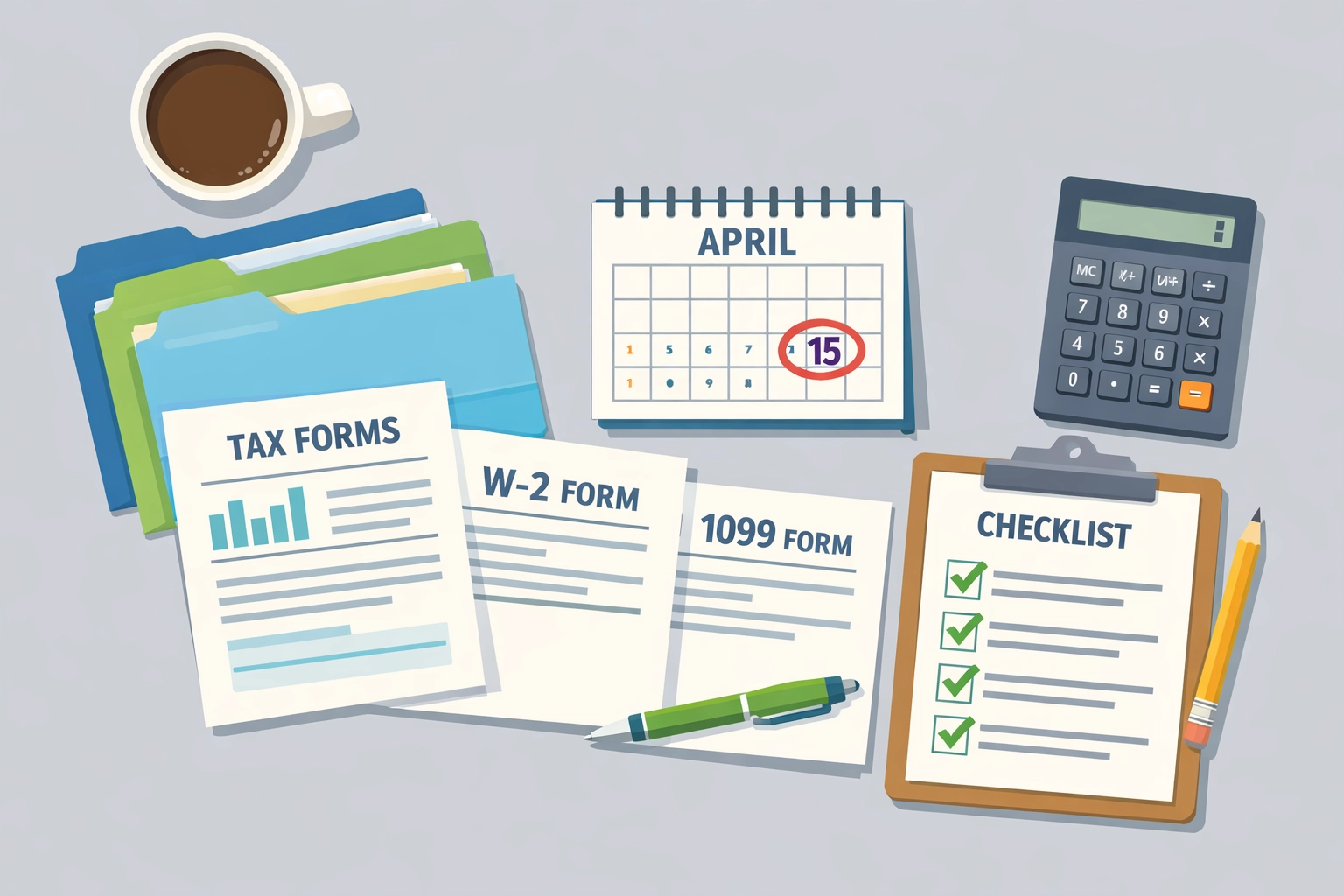
The Fix: Start gathering your tax documents now. You should have received most W-2s and 1099 forms by January 31. Create a checklist of required documents including:
- W-2 forms from all employers
- 1099 forms (interest, dividends, freelance income, retirement distributions)
- 1098 forms (mortgage interest, student loan interest)
- Receipts for deductible expenses
- Records of estimated tax payments
- Health insurance statements (Form 1095-A, 1095-B, or 1095-C)
Beginning early gives you time to track down missing documents and organize your records properly. If you're working with a tax preparer in New Haven, schedule your appointment now rather than waiting until late March or early April when professionals are fully booked.
Mistake #2: Filing Before You Have All Income Documents!
One of the most common errors is filing your return before receiving all necessary tax forms. When you submit a return with incomplete income information, the IRS receives mismatched data from employers and financial institutions, triggering automated notices that require you to file an amended return.
The Fix: Wait until you've received all year-end income statements before filing. Employers and financial institutions have until January 31 to send W-2s and most 1099 forms, though some investment statements may arrive later.
Use your official tax documents: not your final pay stub: to verify income amounts. Cross-reference all 1099 forms against your records to ensure you report every source of income, including:
- Freelance or gig economy income (1099-NEC, 1099-K)
- Bank interest and investment dividends
- Retirement account distributions
- Unemployment compensation
- Rental property income
Missing even a small 1099 form can delay your refund by weeks or months while the IRS reconciles the discrepancy.
Mistake #3: Entering Incorrect Personal Information!
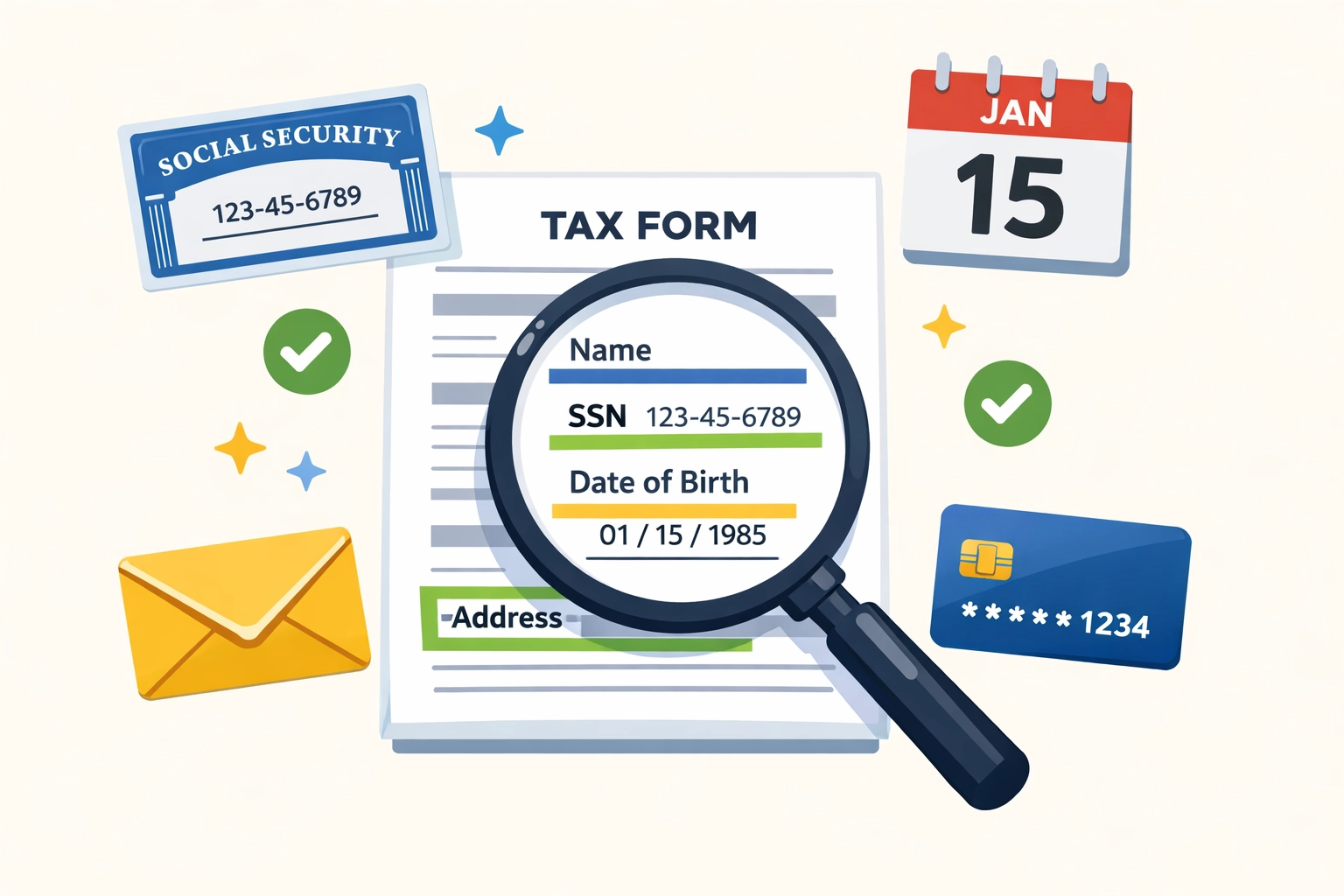
Simple typos in Social Security numbers, legal names, dates of birth, or mailing addresses cause significant processing delays. The IRS matches your return against Social Security Administration records, and any mismatch triggers a manual review.
This error becomes especially problematic when claiming dependents. Child-related tax credits: including the Child Tax Credit and Earned Income Tax Credit: require accurate taxpayer identification numbers for all qualifying children.
The Fix: Before submitting your return, carefully verify the following information for yourself, your spouse, and all dependents:
- Social Security numbers (match exactly to Social Security cards)
- Legal names (match Social Security cards and government IDs exactly)
- Dates of birth
- Current mailing address
- Bank account numbers and routing numbers for direct deposit
Double-check that dependent information matches prior year returns if you claimed the same dependents previously. Name changes due to marriage or divorce must be updated with the Social Security Administration before filing your tax return.
Mistake #4: Missing Valuable Credits and Deductions!
Many taxpayers leave money on the table by overlooking credits and deductions they qualify for. The tax code contains hundreds of provisions designed to reduce your tax liability, but you must actively claim them.
The Fix: Review IRS Publication 17 (Your Federal Income Tax) to identify all credits and deductions available to you. Common overlooked items include:
- Earned Income Tax Credit (EITC) for low-to-moderate income workers
- Child and Dependent Care Credit for childcare expenses
- Education credits (American Opportunity Credit, Lifetime Learning Credit)
- Saver's Credit for retirement contributions
- Home office deduction for self-employed individuals
- Medical and dental expenses exceeding 7.5% of adjusted gross income
- State and local tax deductions (up to $10,000)
- Charitable contributions
Each credit requires specific documentation and may require additional forms or schedules. For example, claiming EITC requires Schedule EITC, while education credits require Form 8863.
This is where working with a concierge tax pro makes a substantial difference. Professional tax preparers stay current on all available credits and actively search for every deduction you qualify for: often finding thousands in additional refunds that DIY filers miss.
Mistake #5: Forgetting to Attach Required Supporting Documents!
Claiming credits and deductions requires attaching the proper forms, schedules, and supporting documentation. Filing without these attachments creates processing delays and may result in denied claims that require amended returns.
The Fix: Before submitting your return, verify you've included all required supporting documents:
- Schedule A (Itemized Deductions) if claiming itemized deductions
- Schedule C (Profit or Loss from Business) for self-employment income
- Schedule E (Supplemental Income and Loss) for rental property income
- Form 8862 (Information to Claim Earned Income Credit After Disallowance)
- Form 2441 (Child and Dependent Care Expenses)
- Form 8863 (Education Credits)
Electronic filing through tax software or a professional preparer helps ensure all required forms are automatically included. Paper filers must manually attach every necessary schedule and form.
Mistake #6: Relying on Unverified Social Media Tax Advice!
Tax misinformation spreads rapidly on social media platforms, with viral posts promoting questionable "tax hacks" or credits that don't exist. AI-generated tax guidance also frequently contains inaccuracies that can trigger IRS audits or penalties.
Recent viral trends have included false claims about:
- Creating fake businesses to claim deductions
- Inflating charitable contributions without receipts
- Claiming dependents who don't meet IRS requirements
- Misreporting income to qualify for credits
The Fix: Verify any tax advice against official IRS resources or consult with a qualified tax professional before applying strategies to your return. The IRS website (IRS.gov) provides authoritative guidance on all tax matters.
Use AI tax tools cautiously and always confirm their recommendations with a licensed tax preparer. What sounds like a clever loophole online is often tax fraud that carries serious legal consequences.
Professional tax preparation services in New Haven offer personalized guidance based on your specific situation: not generic advice that may not apply to your circumstances.
Mistake #7: Not Filing When You Could Get Money Back!
Some taxpayers believe they don't need to file because their income falls below the standard deduction threshold. However, skipping your return may mean missing out on refundable tax credits worth hundreds or thousands of dollars.
The Fix: File a return even if your income is below the filing requirement thresholds ($15,750 for single filers under 65, or $31,500 for married couples filing jointly under 65 in 2026) if:
- You had federal income tax withheld from your paychecks
- You qualify for refundable credits like the Earned Income Tax Credit
- You qualify for the Additional Child Tax Credit
- You made estimated tax payments throughout the year
Refundable credits can generate a refund even if you owed no tax. The Earned Income Tax Credit alone can provide up to $7,830 for families with three or more children in 2026.
Filing takes minimal time and ensures you receive every dollar you're entitled to.
One More Critical Tip: Extensions Only Delay Filing, Not Payment!
If you cannot complete your return by April 15, you can request an automatic six-month extension by filing Form 4868. However, understand that an extension to file is not an extension to pay.
Any taxes owed must still be paid by April 15 to avoid interest charges and late payment penalties. Estimate your tax liability and submit payment with your extension request.
Get Professional Help to Maximize Your Refund!
Avoiding these seven mistakes requires careful attention to detail and thorough knowledge of current tax law. While tax software can help, it cannot replace the personalized guidance and proactive tax planning that professional tax preparation provides.
Jose's Tax Service specializes in maximizing refunds for New Haven residents and small business owners. Our concierge tax pros review every line of your return, identify all available credits and deductions, and ensure accuracy that prevents IRS notices.
Don't leave money on the table or risk costly errors. Schedule your appointment today at josestaxservice.com and experience the difference professional tax preparation makes.
Categories: News, Tax Planning

Leave a Reply
You must be logged in to post a comment.