
7 Mistakes You're Making with Your 2026 Tax Return (and How to Fix Them)
New Haven, CT : January 2026 : Tax season is here. Whether you're a W-2 employee in downtown New Haven or running your own small business, filing your 2026 tax return correctly matters more than ever.
The IRS processes millions of returns each year. Many contain preventable errors that delay refunds, trigger audits, or cost taxpayers money. The good news? Most mistakes are easy to avoid once you know what to look for.
Here are seven common tax return mistakes New Haven filers make: and exactly how to fix them before you hit submit.
Mistake #1: Filing Before You Have All Your Income Documents
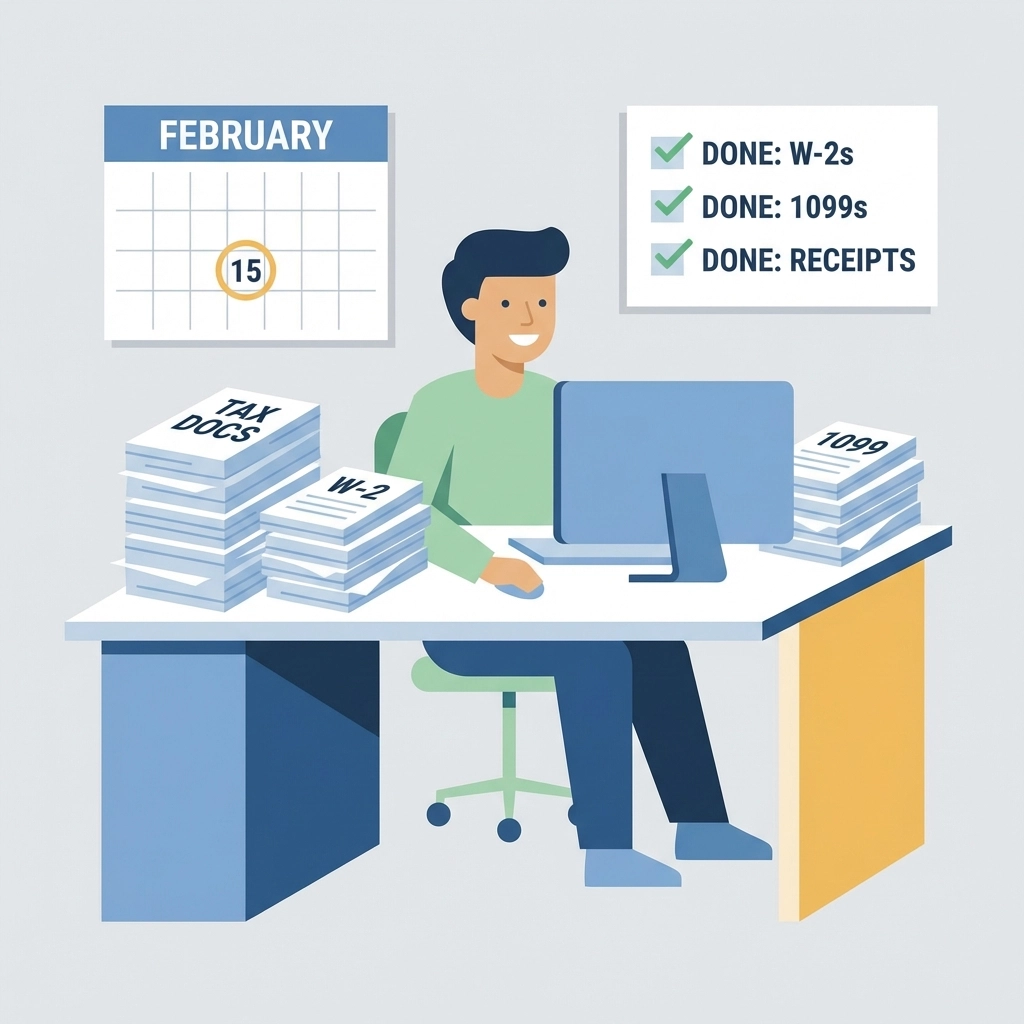
The problem: You're eager to get your refund. So you file the moment your main W-2 arrives. But what about that freelance gig you picked up last summer? The 1099-NEC from your side hustle? Interest from your savings account?
Filing without all your income documents creates headaches. The IRS receives copies of every W-2 and 1099 sent to you. When their records don't match yours, expect delays, amended returns, or worse: penalties.
How to fix it:
- Wait until at least mid-February before filing. Employers have until January 31 to send income statements.
- Create a checklist of all income sources from 2025.
- Compare your list against last year's return to catch anything you might forget.
- Report all income, even if you never received a form. That $600 from selling items online? It counts.
Mistake #2: Entering Wrong Social Security Numbers
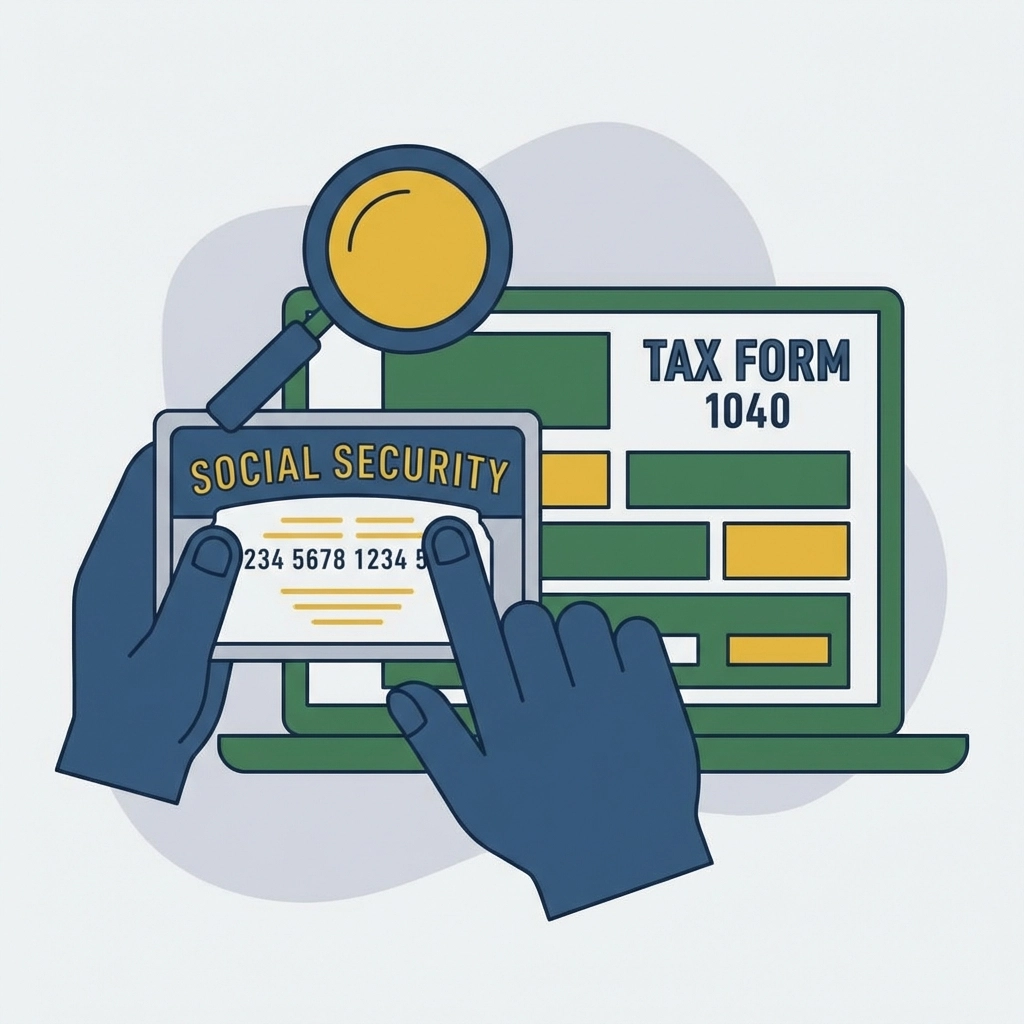
The problem: One wrong digit. That's all it takes to get your entire return rejected. This mistake happens most often when claiming dependents: especially if you're typing from memory instead of checking official documents.
A rejected return means starting over, waiting longer for your refund, and potentially missing credits you're entitled to.
How to fix it:
- Pull out the actual Social Security cards for yourself, your spouse, and all dependents.
- Double-check every digit against official documents: not last year's return (which could contain the same error).
- Verify name spellings match exactly as they appear on Social Security cards.
- Never guess. Ever.
Mistake #3: Selecting the Wrong Filing Status
The problem: Your filing status isn't just a box to check. It determines your tax bracket, standard deduction amount, and which credits you qualify for. Choose wrong, and you could pay hundreds: or thousands: more than necessary.
This mistake often hits New Haven taxpayers whose situations changed during the year. Got married? Divorced? Started supporting a parent? Your filing status may need to change too.
How to fix it:
Review your options carefully:
- Single : Unmarried with no dependents
- Head of Household : Unmarried and paying more than half the cost of keeping up a home for a qualifying person
- Married Filing Jointly : Married couples combining income and deductions
- Married Filing Separately : Married couples filing individual returns
- Qualifying Surviving Spouse : Recently widowed with a dependent child
If your life changed in 2025, don't automatically use last year's status. Answer every question in your tax software carefully: new credits may now apply to your situation.
Mistake #4: Making Math Errors
The problem: The IRS found nearly 2.5 million math errors on returns filed in a single recent tax year. Simple addition mistakes, wrong numbers pulled from tax tables, miscalculated deductions: these errors add up.
Math mistakes can reduce your refund, increase your tax bill, or flag your return for review.
How to fix it:
- Use tax preparation software that calculates automatically. This eliminates most human calculation errors.
- If filing on paper, use a calculator and check every computation twice.
- Review your completed return line by line before submitting.
- Better yet, have a tax professional review your numbers. A second set of eyes catches what you miss.
Mistake #5: Entering Wrong Bank Account Information
The problem: You're expecting a nice refund deposited straight into your checking account. But you typed one wrong digit in your routing number. Now your money goes to someone else's account: or gets mailed as a paper check weeks later.
Recovering a misdirected refund requires extensive back-and-forth with your bank and the IRS. Nobody wants that.
How to fix it:
- Triple-check your bank account and routing numbers before filing.
- Find these numbers on a check or your bank's official website: not from memory.
- Call your bank directly if you're unsure about either number.
- Consider using the same account you used successfully in previous years.
The IRS attempts to validate account information before depositing. Errors often result in a paper check instead, adding weeks to your wait time.

Mistake #6: Using Outdated Tax Rules and Assumptions
The problem: Tax laws change every year. Deduction limits shift. Credit thresholds adjust for inflation. New provisions take effect while old ones expire.
What worked on your 2024 return may not apply in 2026. Using outdated assumptions leads to wrong calculations, missed savings, and potential compliance issues.
How to fix it:
- Don't assume anything carries over from last year.
- Review 2026 tax law updates before filing. Key changes for this year include adjusted standard deductions, updated income limits for credits, and modified rules for certain deductions.
- If using tax software, be cautious with auto-imported data from prior years. Verify everything reflects current-year rules.
- Read the instructions for every form you complete. They're updated annually for a reason.
For New Haven small business owners, this is especially critical. Business deductions, depreciation rules, and self-employment tax calculations may all look different this year.
Mistake #7: Overlooking Deductions and Credits You Qualify For
The problem: The IRS won't automatically give you credits you forgot to claim. If you don't ask for it, you don't get it. Many New Haven taxpayers leave money on the table every year by overlooking deductions and credits they're entitled to.
How to fix it:
Check if you qualify for these commonly missed tax breaks:
- Child and Dependent Care Credit : For childcare expenses while you work
- Earned Income Tax Credit (EITC) : For low-to-moderate income workers
- American Opportunity Credit : For college tuition and education expenses
- Lifetime Learning Credit : For continuing education costs
- Saver's Credit : For contributions to retirement accounts
- Home Office Deduction : For self-employed individuals working from home
- Student Loan Interest Deduction : For interest paid on qualified student loans
- State and Local Tax Deduction (SALT) : Subject to current limits
Complete all applicable worksheets and schedules. If a credit sounds like it might apply to you, investigate further. The few minutes spent checking could save you hundreds of dollars.

Take Action Before You File
Tax preparation doesn't have to be stressful. The key is preparation:
- Gather all income documents before starting
- Verify all personal information against official records
- Review current 2026 tax laws: not last year's assumptions
- Double-check every number, account, and calculation
- Claim every deduction and credit you're entitled to
For New Haven individuals and small business owners, getting your tax return right the first time saves time, money, and frustration. Whether you're filing a straightforward W-2 return or navigating complex business income, attention to detail matters.
Need help with your 2026 tax return? Jose's Tax Service provides professional tax preparation for individuals and small businesses throughout New Haven. Visit josestaxservice.com to schedule your consultation.
Filing deadline reminder: Individual tax returns for tax year 2025 are due April 15, 2026. Don't wait until the last minute: give yourself time to gather documents, review your return, and fix any issues before submitting.

Leave a Reply
You must be logged in to post a comment.