
7 Mistakes You’re Making with Your 2026 Deductions (and How to Fix Them to Maximize Tax Refund)
NEW HAVEN, CT – JOSE’S TAX SERVICE – MARCH 3, 2026
Tax season 2026 is currently underway, and taxpayers across the nation are navigating a landscape significantly altered by recent legislative adjustments. For residents seeking tax preparation New Haven, understanding these changes is mandatory to ensure compliance and to maximize tax refund potential. Errors in deduction claims remain the primary cause of delayed processing and reduced refunds.
This technical briefing outlines the seven most prevalent mistakes observed during the current filing cycle and provides direct corrective actions for taxpayers.
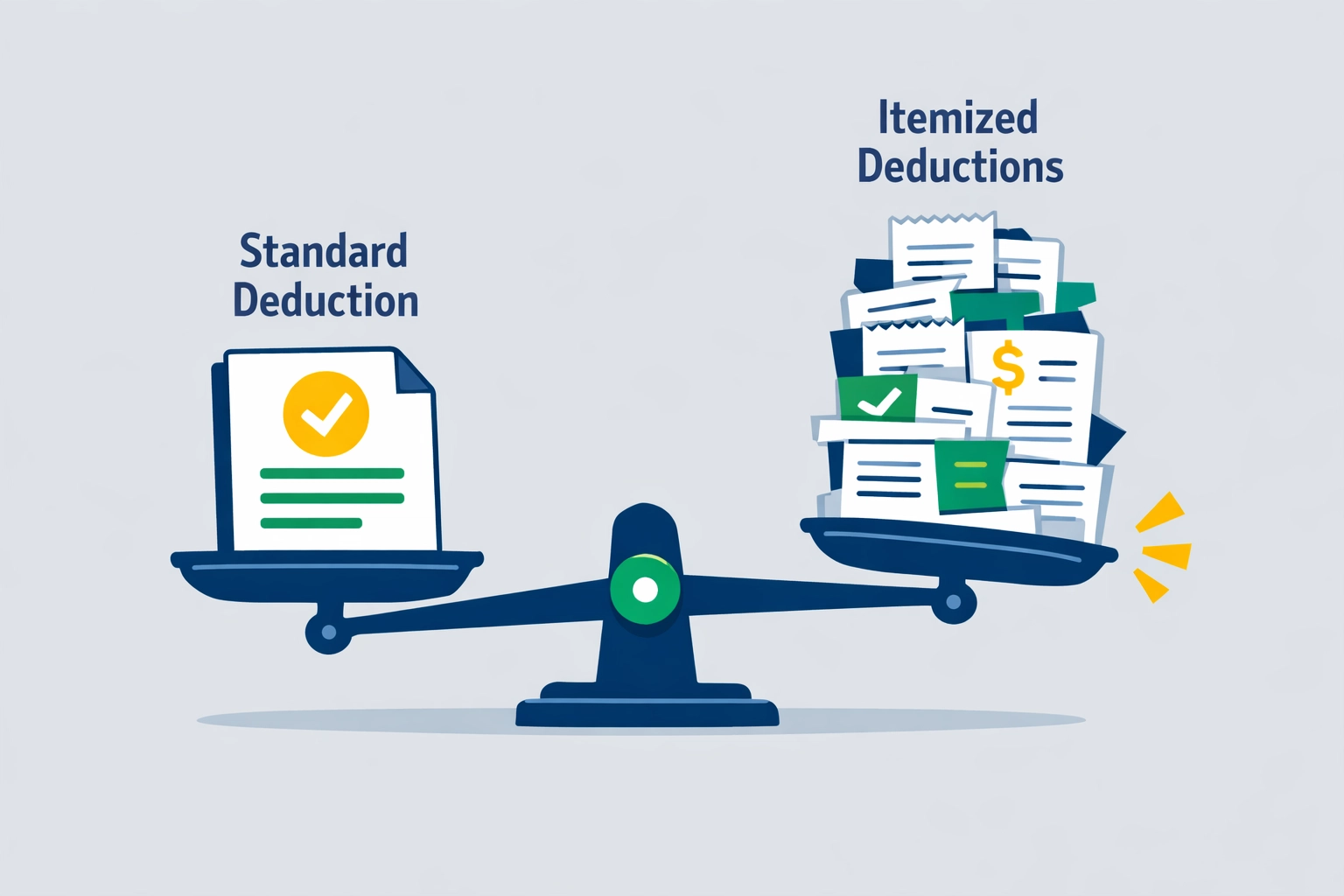
1. Defaulting to the Standard Deduction!
A common error in 2026 is the automatic selection of the standard deduction without performing a comparative analysis against itemized deductions. Historically, approximately 90% of filers utilized the standard deduction. However, for the 2026 tax year, the State and Local Tax (SALT) deduction cap has been increased from $10,000 to $40,000 for eligible filers. This change significantly shifts the threshold at which itemizing becomes financially advantageous.
How to fix it:
- Calculate the sum of all state and local income taxes (or sales taxes), property taxes, mortgage interest, and charitable contributions.
- Compare this total against the 2026 standard deduction for your specific filing status.
- Execute the itemization process on Schedule A (Form 1040) if the total exceeds the standard deduction amount. Failure to perform this comparison may lead to unnecessary tax overpayment.
2. Overlooking New 2026 Legislative Deductions!
The 2026 tax update introduced several high-impact deductions that were unavailable in previous years. Many taxpayers are unaware of the new deductions for tip income, overtime pay, and car loan interest. Furthermore, a specific deduction for seniors aged 65 and older has been implemented to mitigate the effects of inflation on fixed incomes.
How to fix it:
- Identify all sources of "overtime pay" and "tip income." Ensure these are categorized correctly on your return to leverage available exclusions.
- Deduct interest paid on vehicle loans if the vehicle is used for qualifying purposes under the new guidelines.
- Apply the senior deduction if you or your spouse reached age 65 by December 31, 2025.
- Review latest bulletins in our tax update section for specific eligibility criteria.
3. Maintaining Insufficient Documentation for Claims!
The Internal Revenue Service (IRS) requires contemporaneous documentation for all claimed deductions. A significant number of taxpayers claim home office expenses, business travel, or charitable gifts without retaining receipts or digital logs. Claiming these amounts based on estimates rather than exact figures is a violation of filing procedures and may lead to penalties.
How to fix it:
- Collect and digitize all receipts, invoices, and bank statements related to deductible expenses.
- Separate personal and business expenditures immediately. Use dedicated accounts to prevent commingling of funds.
- Maintain a mileage log for any business-related travel, including dates, destinations, and purpose of travel.
- File all supporting documents in a centralized tax planning folder for a minimum of seven years to defend against potential audits.
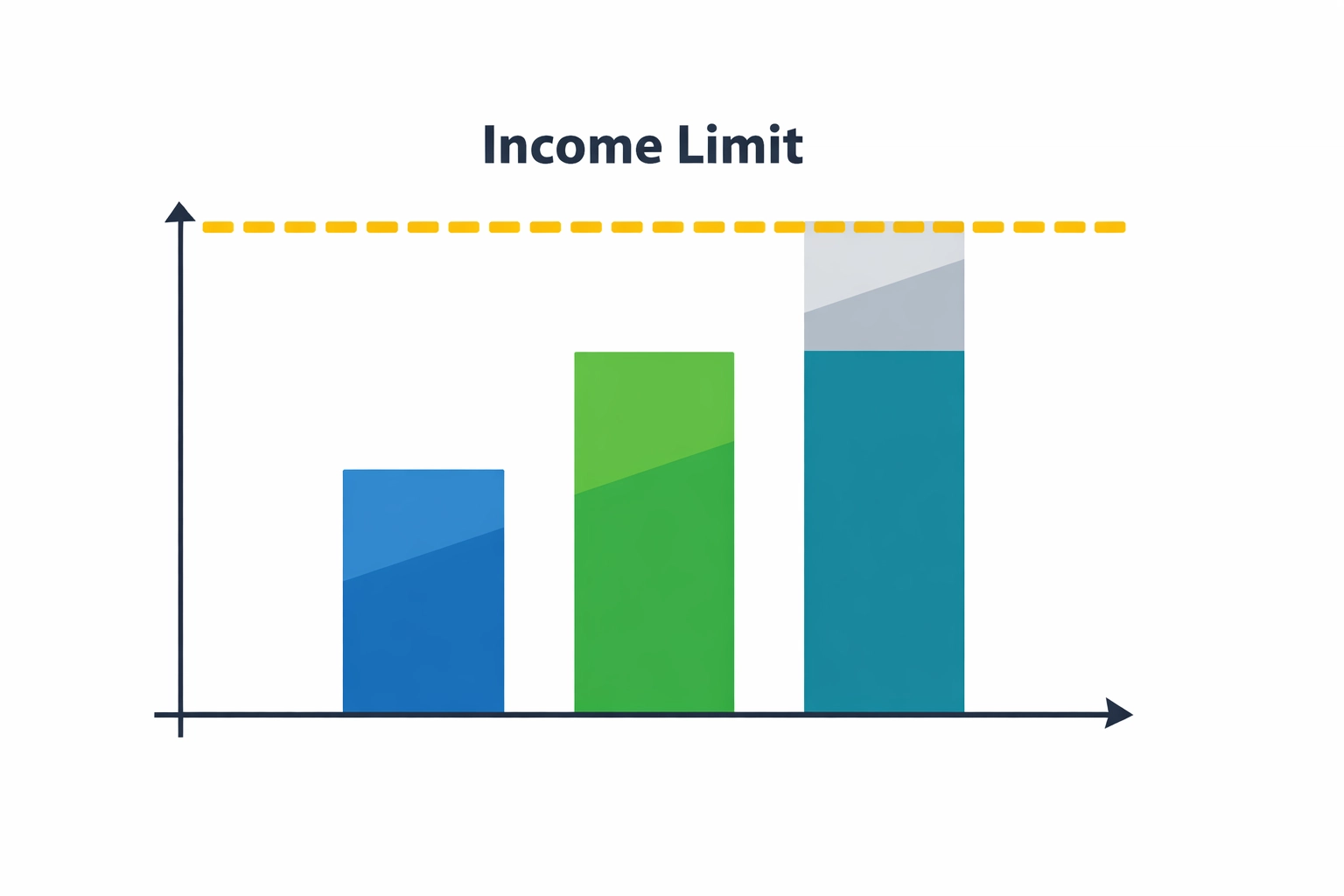
4. Incorrectly Calculating Income Phase-Outs!
Many credits and deductions are subject to phase-out limits based on Modified Adjusted Gross Income (MAGI). Taxpayers often claim the full value of a deduction while their income exceeds the eligibility ceiling. This error results in the automated issuance of a CP2000 notice, which triggers a balance due and accrued interest.
How to fix it:
- Determine your MAGI before attempting to claim the Child Tax Credit, Earned Income Tax Credit (EITC), or education-related deductions.
- Use the worksheets provided in the Form 1040 instructions to calculate the exact reduction in credit value if your income falls within the phase-out range.
- Consult with a tax pro at Jose's Tax Service if your income structure involves complex investments or capital gains that impact MAGI.
5. Ignoring Connecticut-Specific Tax Credits!
Taxpayers often focus exclusively on federal obligations while neglecting state-level incentives. In New Haven, specifically, there are state-specific credits and deductions related to property taxes and energy-efficient home improvements that do not always mirror federal rules.
How to fix it:
- Verify eligibility for the Connecticut Property Tax Credit.
- Research state-level energy credits if you performed upgrades to your residence in 2025.
- Ensure that any state-level deductions are reflected on your CT-1040 form.
- Double-check that any refund requested at the state level is tracked separately from your federal refund.
6. Submitting Disorganized or Incomplete Records!
Disorganization is the primary catalyst for missing "small" deductions that aggregate into significant tax savings. Missing a $50 deduction for a professional membership or a $100 charitable gift may seem inconsequential, but cumulative omissions frequently reduce refund amounts by hundreds of dollars.
How to fix it:
- Utilize a standardized checklist to ensure all W-2s, 1099-NECs, 1099-INTs, and 1098s have been received.
- Organize records chronologically.
- Cross-reference your bank statements against your claimed deductions to identify any forgotten expenses.
- Enter exact values as listed on official forms; do not round to the nearest ten or hundred dollars, as this triggers IRS "mismatch" flags.
7. Misreporting Income Categories!
The eligibility for certain deductions is tied directly to how income is reported. For example, misclassifying "tip income" as standard "wages" may disqualify a taxpayer from the new 2026 tip deduction. Similarly, failing to report small amounts of investment income can invalidate the eligibility for the EITC.
How to fix it:
- Report all income exactly as it appears on your 1099 and W-2 forms. The IRS receives copies of these documents and uses automated matching software.
- Confirm that all tips reported to your employer are documented on your W-2.
- Include all "gig economy" income, even if you did not receive a Form 1099-K, as this income may allow for additional business-related deductions.
Strategic Summary and Deadline Information
To ensure the highest accuracy and to maximize tax refund outcomes, taxpayers must conduct a final review of all schedules before submission. The 2026 filing deadline is Wednesday, April 15, 2026.
Practical Reminders:
- File Electronically: E-filing with direct deposit is the fastest method to receive your refund.
- Verify Routing Numbers: Incorrect banking information can delay a refund by up to six weeks.
- Use Professional Oversight: If your return involves the new $40,000 SALT cap or overtime exclusions, professional tax preparation is recommended to avoid costly errors.
For residents in the New Haven area requiring assistance with these complex 2026 changes, Jose's Tax Service provides comprehensive filing solutions. Accuracy in documentation and adherence to new legislative thresholds are the only ways to ensure your 2026 return is processed without intervention.
Stay Updated:
For ongoing updates regarding the 2026 tax season, visit our news section daily. Prompt action and meticulous record-keeping are your best tools for a successful tax season.
Disclaimer: This information is provided for educational purposes and does not constitute formal legal or tax advice. Tax situations vary based on individual circumstances.

Leave a Reply
You must be logged in to post a comment.