
7 Mistakes You’re Making with Tax Planning (and How to Fix Them Before April)
NEW HAVEN, CT – Jose's Tax Service – February 25, 2026
Tax season in New Haven often brings a sense of urgency as the April 15 filing deadline approaches. For many individuals and small business owners, the process of gathering documents and calculating liabilities is reactive rather than proactive. This approach frequently leads to avoidable financial errors that increase tax liability and decrease the potential for a refund.
Effective tax planning New Haven requires a structured methodology to identify potential savings and ensure compliance with Internal Revenue Service (IRS) regulations. Failing to plan effectively can result in missed opportunities to maximize tax refund amounts or, worse, trigger audits and penalties.
Below are the seven most common tax planning mistakes identified by Jose' Morales and the team at Jose's Tax Service, along with the specific corrective actions required to rectify them before the filing deadline.
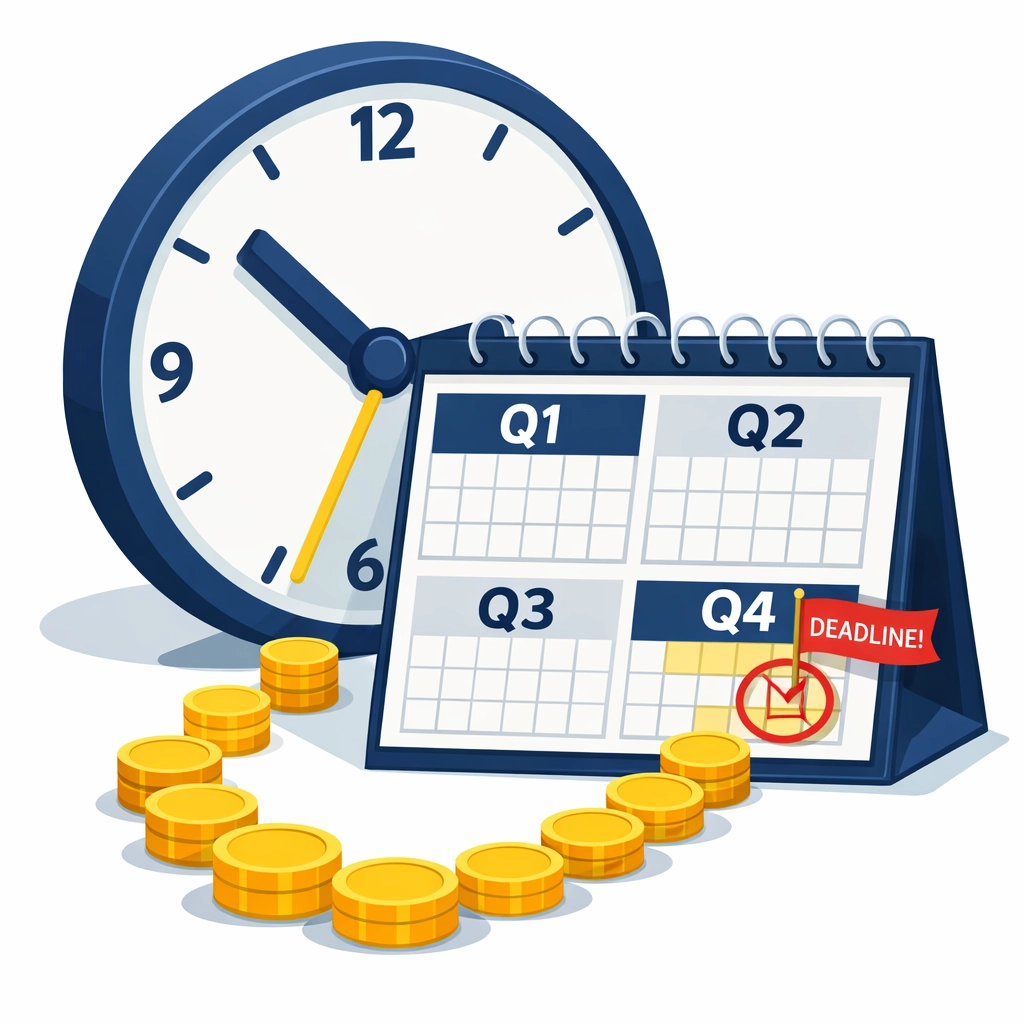
1. Neglecting Quarterly Estimated Tax Payments!
Self-employed individuals, contractors, and those with significant investment income often overlook the requirement to pay taxes throughout the year. The IRS operates on a "pay-as-you-go" system. If you expect to owe $1,000 or more when you file your return, you are generally required to make quarterly estimated payments using Form 1040-ES.
The Risk:
Failure to make these payments, or underpaying them, may lead to underpayment penalties and interest charges. These costs accrue from the date the payment was due, creating an unnecessary financial burden.
The Fix:
Review your total income for the 2025 tax year and your projected income for early 2026. Use the Electronic Federal Tax Payment System (EFTPS) to submit any missing payments immediately. While the deadline for the final 2025 installment has passed (January 15), making a payment now can help mitigate the accumulation of further interest. For the upcoming 2026 tax year, establish a schedule for the April 15, June 15, and September 15 deadlines.
2. Maintaining Disorganized Financial Records!
Inadequate record-keeping is a primary reason why taxpayers fail to claim legitimate deductions. If expenses are not tracked in real-time, documentation such as receipts, invoices, and bank statements often vanish.
The Risk:
Without contemporaneous records, the IRS may disallow deductions during an audit. This results in higher taxable income and potential accuracy-related penalties. Furthermore, disorganized records increase the time and cost of professional tax preparation.
The Fix:
Implement a digital document management system immediately. Categorize all expenses for the past year into specific folders (e.g., Office Supplies, Travel, Utilities). Use accounting software or professional services to reconcile bank statements against your recorded expenses. Ensure that every deduction claimed on your return is supported by a receipt or a canceled check. If you are unsure about your current organization, visit josestaxservice.com to consult with a professional.
3. Overlooking Available Tax Credits and Deductions!
Many taxpayers in New Haven utilize the same filing patterns year after year without reviewing updates to tax laws. This leads to missing out on high-value credits such as the Child Tax Credit (CTC), the Earned Income Tax Credit (EITC), and various education-related credits like the American Opportunity Tax Credit (AOTC).
The Risk:
Unlike deductions, which reduce taxable income, credits provide a dollar-for-dollar reduction of the actual tax owed. Missing a $2,000 credit is a direct loss of $2,000 in your pocket.
The Fix:
Review the instructions for Form 1040 and accompanying schedules to identify credits for which you may be eligible. Specifically, check the income thresholds for the EITC, as these are adjusted annually for inflation. If you have dependents or paid for higher education in 2025, gather Form 1098-T (Tuition Statement) and relevant receipts for supplies to support your claim.
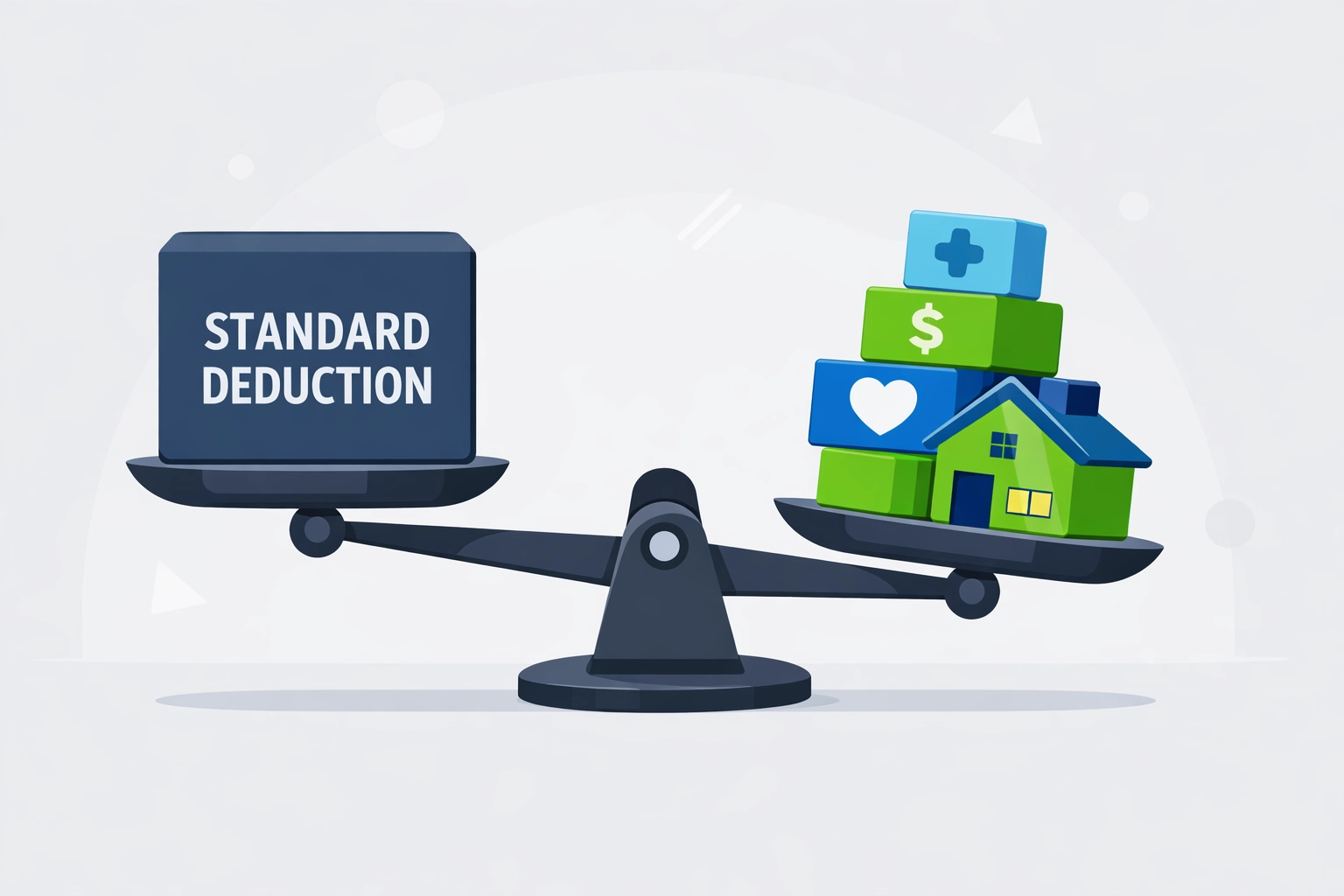
4. Defaulting to the Standard Deduction Without Analysis!
While the standard deduction is convenient, it is not always the most beneficial choice. With recent shifts in tax policy for the 2026 season, more taxpayers may find that itemizing their deductions on Schedule A (Form 1040) results in lower tax liability.
The Risk:
If your total itemized deductions: including mortgage interest, state and local taxes (SALT) up to the $10,000 limit, charitable contributions, and unreimbursed medical expenses: exceed the standard deduction amount, choosing the standard deduction effectively overpays the government.
The Fix:
Perform a comparative calculation. Total your mortgage interest from Form 1098, your property taxes paid to the City of New Haven, and your charitable donation receipts. If this total approaches or exceeds the standard deduction for your filing status, itemize. To see how these calculations impact your bottom line, you can use the tool at https://josestaxservice.com/tax-quote/tax-quote-result.
5. Failing to Time Income and Expenses Strategically!
Tax planning is often treated as a look-back exercise, but the weeks leading up to April provide a final window for strategic timing. This is especially relevant for those who operate on a cash-basis accounting method.
The Risk:
Receiving a large payment at the end of a year where you are already in a high tax bracket can push you into a higher marginal rate. Conversely, failing to pay deductible expenses before the end of the tax year misses an opportunity to lower that year's taxable income.
The Fix:
While the 2025 calendar year has ended, you can still influence your 2026 liability. If you expect your income to be lower in 2026, consider deferring bonuses or invoices until later in the year. If you expect a higher income, accelerate your income now. Additionally, ensure you maximize contributions to traditional IRAs or Health Savings Accounts (HSAs) by the April 15 deadline, as these can often be applied to the 2025 tax year to reduce your current bill.
6. Commingling Personal and Business Finances!
For small business owners in New Haven, failing to maintain a strict separation between personal and business bank accounts is a critical error. This "commingling" of funds makes it nearly impossible to produce an accurate Profit and Loss statement.
The Risk:
Commingling can "pierce the corporate veil," potentially exposing personal assets to business liabilities. From a tax perspective, it makes an IRS audit significantly more difficult to defend, as every personal transaction must be proven as "non-business," and every business transaction must be substantiated.
The Fix:
Establish separate business checking and credit card accounts immediately. If you have used personal funds for business expenses in the past year, create an expense reimbursement report to formalize the transaction. Moving forward, use only business accounts for business operations to ensure a clean audit trail.

7. Treating Tax Planning as an Annual Event!
The most significant mistake is waiting until March or April to consider tax strategy. At this stage, most of the actions that could have reduced your tax liability for the previous year are no longer available.
The Risk:
Reactive filing leads to stress, errors, and missed financial growth opportunities. It prevents you from making informed decisions about investments, equipment purchases, or retirement contributions that require lead time to execute.
The Fix:
Shift to a year-round planning model. Schedule quarterly reviews with a tax professional to adjust your strategy based on your actual financial performance. This proactive approach ensures that you are always positioned to maximize tax refund opportunities and stay compliant with evolving regulations.
Actionable Steps for New Haven Taxpayers
To ensure you are prepared for the April deadline, follow these commands:
- Gather Documents: Collect all W-2s, 1099s, and 1098s. Check for any missing forms by cross-referencing your income sources.
- Verify Information: Ensure that your Social Security Number (SSN) or Individual Taxpayer Identification Number (ITIN) and those of your dependents are correct on all forms.
- Calculate Contributions: Check your 2025 IRA and HSA contribution limits. If you have not reached the maximum, consider making a final contribution before April 15 to lower your taxable income.
- Review New Haven Specifics: Ensure you have accounted for local property taxes and any state-specific credits applicable to Connecticut residents.
- Seek Professional Review: If your financial situation involves multiple income streams, rental properties, or business ownership, do not file without a professional review.

For further information on filing requirements and to access official resources, you may consult the https://josestaxservice.com/xmlsitemap.xml for a directory of our latest updates and tax news.
Deadline Reminder: The federal tax filing deadline for the 2025 tax year is Wednesday, April 15, 2026. Failure to file or request an extension (Form 4868) by this date may lead to failure-to-file penalties, which are significantly higher than failure-to-pay penalties.
By addressing these seven mistakes now, you can transform tax season from a period of financial stress into a structured process of wealth preservation. Proper tax planning New Haven is not just about compliance; it is about ensuring that you retain as much of your hard-earned income as legally possible.

Leave a Reply
You must be logged in to post a comment.