
7 Mistakes You’re Making with 2026 Business Deductions (and How to Fix Them)
NEW HAVEN, CT – Jose’s Tax Service – March 4, 2026
The 2026 tax season introduces significant shifts in how small business owners and self-employed individuals calculate their liabilities. As of March 2026, the Internal Revenue Service (IRS) has implemented updated thresholds and permanently restored several key provisions that directly impact your bottom line. At Jose's Tax Service, we see many business owners leaving money on the table or risking audits by relying on outdated tax rules.
Effective tax planning requires an understanding of the current legislative landscape. If you are operating a business in New Haven or across the country, avoid these seven critical mistakes to ensure you maximize tax refund potential and maintain compliance.
1. Under-utilizing the Section 179 Expansion!
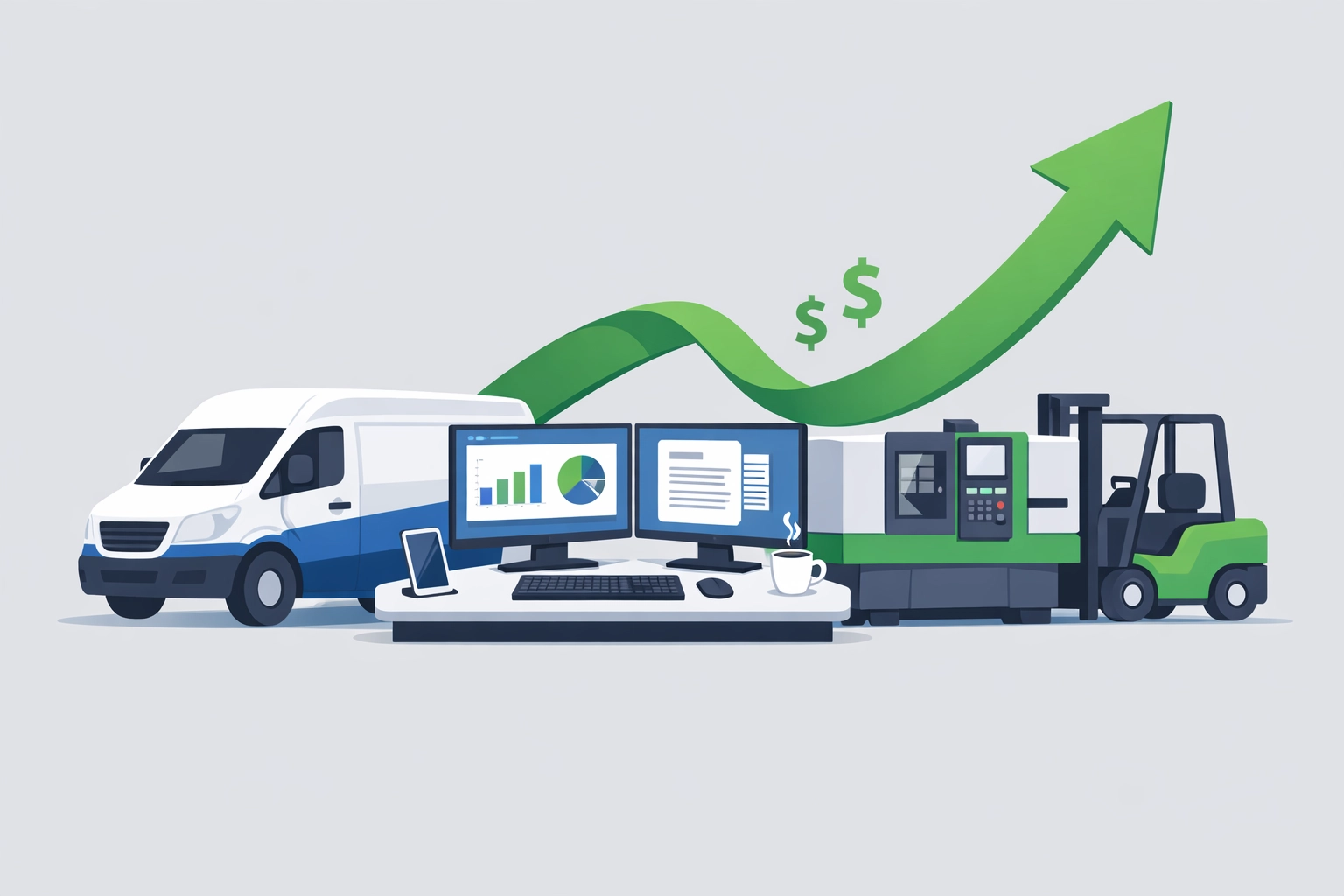
One of the most significant changes for the 2026 tax year is the massive expansion of the Section 179 deduction. Many business owners are still operating under the assumption that the limit is hovering around the $1 million mark. This is a costly error.
For 2026, the Section 179 deduction limit has increased to $2.5 million. The phase-out threshold has also climbed, now starting at approximately $3.63 million. This deduction allows you to deduct the full purchase price of qualifying equipment and software purchased or financed during the tax year.
How to fix it:
- Review all equipment purchases: Use Form 4562 to elect the Section 179 deduction.
- Include "Off-the-Shelf" Software: Ensure you are deducting software that is available to the general public and has a non-exclusive license.
- Monitor Thresholds: If your total equipment purchases exceed $3.63 million, the deduction begins to reduce dollar-for-dollar.
Failing to take advantage of this expanded limit can result in a significantly higher tax bill than necessary. Consult a tax pro to see how this applies to your 2026 investments.
2. Assuming Bonus Depreciation is Sunsetting!
In previous years, bonus depreciation was scheduled to phase out, leading many business owners to rush purchases before 2025. However, for the 2026 tax year, 100% bonus depreciation has been permanently restored for qualified capital expenses. This allows for an immediate write-off of the full cost of new or used equipment in the first year of service.
How to fix it:
- Apply to New and Used Property: Unlike older versions of the law, 100% bonus depreciation now applies to both new and "used-to-you" equipment.
- Coordinate with Section 179: Use bonus depreciation for amounts that exceed the Section 179 limit or for property that doesn't qualify for Section 179.
- File Correctly: Ensure assets are placed in service by December 31, 2026, to qualify for this year's filing.
Understanding this tax update is essential for any business planning major capital expenditures.
3. Overlooking the Permanent QBI Deduction!
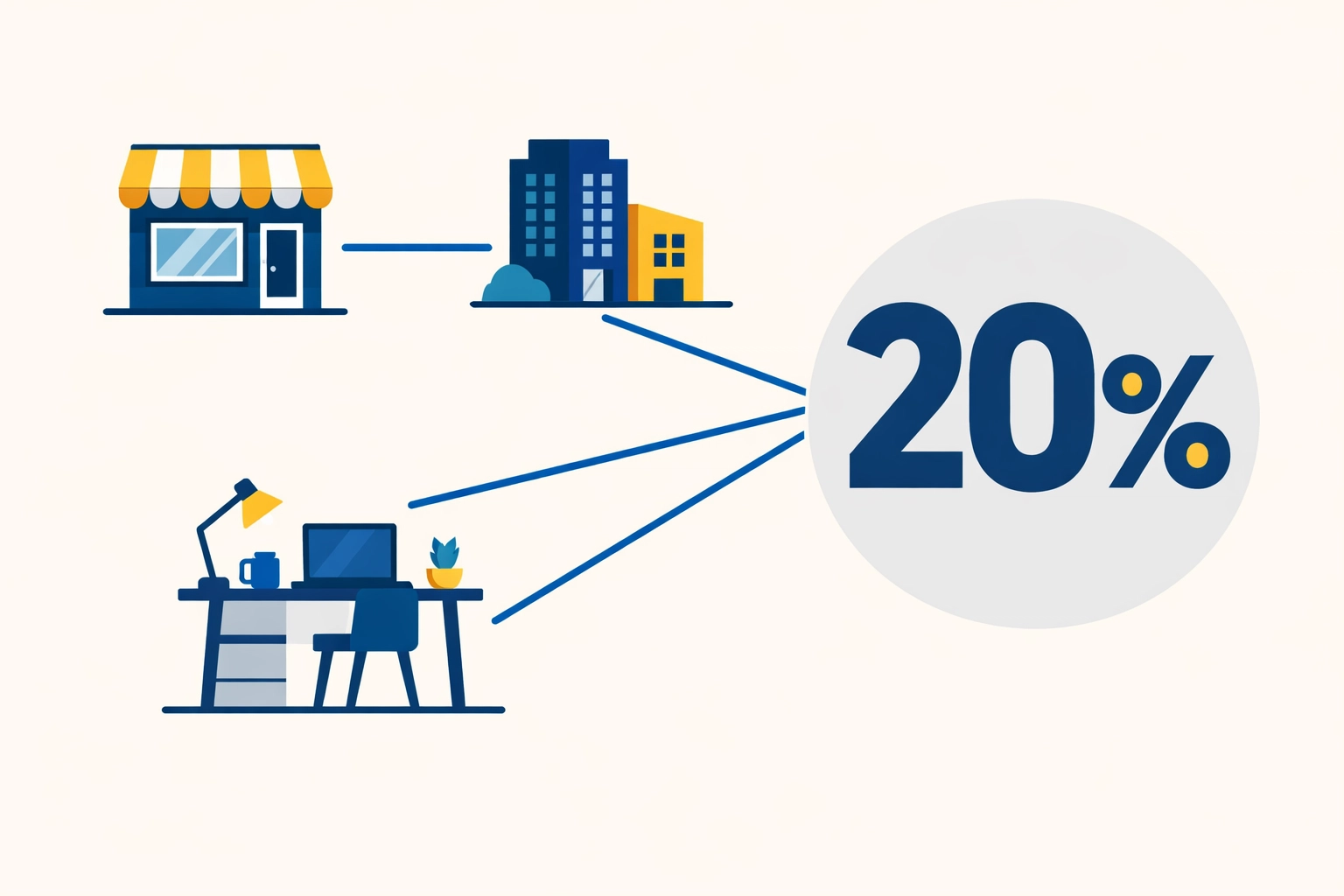
The Qualified Business Income (QBI) deduction, also known as the Section 199A deduction, is now a permanent fixture of the tax code for pass-through entities. This includes sole proprietorships, partnerships, S corporations, and most LLCs. Many tax filers miss this 20% deduction because the calculations for phase-out thresholds are complex.
How to fix it:
- Check Income Thresholds: For 2026, the phase-out starts at $201,775 for single filers and $403,550 for married filing jointly.
- Calculate W-2 Wage Limits: If your income exceeds the threshold, the deduction may be limited to 50% of the W-2 wages paid by the business.
- Evaluate "SSTB" Status: If you are a Specified Service Trade or Business (like a lawyer or doctor), your deduction may be completely phased out at higher income levels.
Check our latest news for updates on how QBI affects different industries in the New Haven area.
4. Applying Inaccurate Mileage Rates!
The IRS frequently adjusts the standard mileage rate to reflect the cost of operating a vehicle. For 2026, the standard mileage rate for business use is 72.5 cents per mile. Using the 2025 rate will result in an undervalued deduction and a smaller refund.
How to fix it:
- Maintain a Contemporaneous Log: You must record the date, mileage, and business purpose of every trip. "Estimating" at the end of the year is a red flag for audits.
- Choose a Method and Stick to It: You must choose between the standard mileage rate and the actual expense method (gas, oil, repairs, insurance) in the first year the vehicle is used for business.
- Use Professional Tools: Employ GPS-tracking apps to ensure accuracy.
Correct mileage reporting is a cornerstone of tax preparation in New Haven for contractors and gig workers.
5. Improperly Classifying Meals and Entertainment!
A common mistake is the "all-or-nothing" approach to business meals and entertainment. The rules for 2026 are very specific:
- Business Meals: Generally 50% deductible. This includes meals with clients or employees while traveling.
- Entertainment: Generally 0% deductible. This includes tickets to sporting events, theater, or country club dues, even if business is discussed.
How to fix it:
- Separate Accounts: Create distinct categories in your bookkeeping software for "Meals" and "Entertainment."
- Retain Receipts: For any meal over $75, the IRS requires a receipt. However, Jose's Tax Service recommends keeping all receipts regardless of the amount.
- Note the Participants: Write the names of the attendees and the business topic discussed on the back of every receipt or in your digital notes.
Misclassifying these expenses can lead to disallowed deductions and potential penalties.

6. Neglecting Initial Startup and Organizational Costs!
New business owners often wait until their first "official" day of business to start tracking expenses. This is a mistake. The IRS allows you to deduct up to $5,000 in startup expenses and an additional $5,000 in organizational costs in your first year of operation.
How to fix it:
- Track Pre-Opening Costs: This includes market research, travel to scout locations, and advertisements for the grand opening.
- Account for Legal Fees: Organizational costs include the legal fees to incorporate or form an LLC.
- Amortize Excess Costs: If your startup costs exceed $50,000, the $5,000 deduction is reduced. Any costs that cannot be deducted in the first year must be amortized over 180 months.
For more information on starting your journey, visit our personal finance section.
7. Inadequate Documentation of Business Purpose!
The most frequent reason the IRS disallows a business deduction is not because the expense was invalid, but because the "business purpose" was not documented. Every deduction must be both ordinary (common in your trade) and necessary (helpful and appropriate for your business).
How to fix it:
- Avoid Commingling Funds: Use a dedicated business bank account and credit card for all business transactions. Do not pay for personal groceries with your business card.
- Document the "Why": If you purchase a high-end laptop, document why your specific business requires those specifications versus a standard model.
- Store Digital Copies: Thermal paper receipts fade. Scan all documents and store them in a secure, cloud-based environment.

Summary Checklist for 2026 Tax Filing
To ensure your tax return is accurate and you receive your federal refund without delay, follow these steps:
- Verify Asset Purchases: Check if your equipment qualifies for the $2.5M Section 179 limit.
- Apply 100% Bonus Depreciation: Do not phase this out; it is fully available for 2026.
- Calculate QBI Early: Work with a tax advisor to see if you need to adjust W-2 wages to maximize this 20% deduction.
- Update Mileage Rates: Use the 72.5 cents per mile standard.
- Audit Your Meal Expenses: Ensure no entertainment costs are hidden in your meal deductions.
- Review Startup Costs: Ensure you haven't missed pre-launch expenses.
- Organize Receipts: Match every deduction to a specific business purpose.
The 2026 tax landscape offers significant opportunities for those who stay informed. If you find these rules overwhelming, remember that professional tax help is available. At Jose's Tax Service, we specialize in helping small businesses navigate these complexities to keep more of what they earn.
Contact us today at our New Haven office to schedule your tax planning session.
Disclaimer: This information is for educational purposes and does not constitute formal tax advice. Tax laws are subject to change and individual circumstances vary. Always consult with a qualified tax professional regarding your specific situation.
Related Links:

Leave a Reply
You must be logged in to post a comment.