
7 Mistakes New Haven Taxpayers Are Making with Payment Apps (And How Concierge Tax Pros Fix Them)
NEW HAVEN, CT : February 21, 2026 : If you've been splitting pizza bills on Venmo or running your side hustle through Cash App, the IRS has some news for you. And spoiler alert: it's not as simple as "friends and family" versus "goods and services" anymore.
Payment apps have revolutionized how we handle money, but they've also created a minefield of tax reporting issues that New Haven taxpayers are stumbling through right now. The 2026 tax season brings updated reporting thresholds and stricter enforcement, which means those innocent-looking app transactions could become your tax preparer's worst nightmare: or your biggest opportunity to get things right.
Mistake #1: Ignoring the New $600 Reporting Threshold!
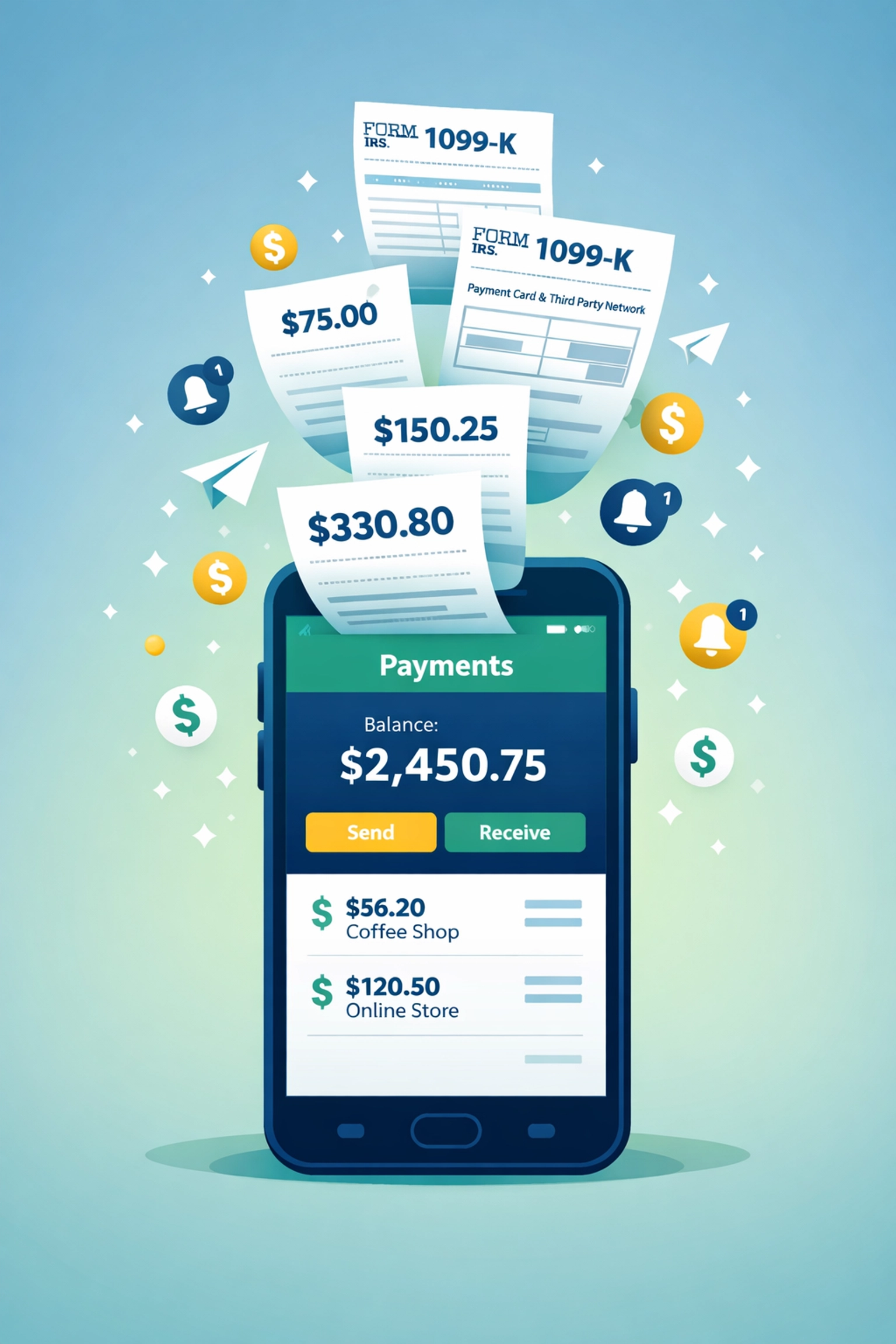
Here's the deal: the IRS lowered the 1099-K reporting threshold to $600 in total payments for goods and services in 2024. That's down from the previous $20,000 and 200 transactions requirement. If you received more than $600 through payment apps for business activities, you should expect Form 1099-K.
The Problem: New Haven taxpayers are treating all their payment app income the same way they did in 2023, assuming they're flying under the radar. They're not.
How Tax Pros Fix It: Professional tax preparation in New Haven means reviewing all your payment app statements: Venmo, PayPal, Cash App, Zelle: and categorizing every transaction correctly before the IRS does it for you. We reconcile your 1099-K forms against your actual business income and identify what's reportable versus what's genuinely personal.
Mistake #2: Treating Personal Reimbursements as Taxable Income
Split the rent with your roommate? Pay back your friend for concert tickets? Get reimbursed for picking up office supplies? Those aren't business income, but your payment app doesn't know that.
The Problem: When you receive a 1099-K, the IRS assumes every dollar is taxable income unless you prove otherwise. Many taxpayers panic and report personal reimbursements as income, overpaying their taxes significantly.
How Tax Pros Fix It: A concierge tax professional documents your non-taxable transactions and properly reports only actual income. We create a reconciliation worksheet that explains discrepancies between your 1099-K and your tax return, protecting you from IRS notices down the line.
Mistake #3: Forgetting to Report Income When No 1099-K Arrives!
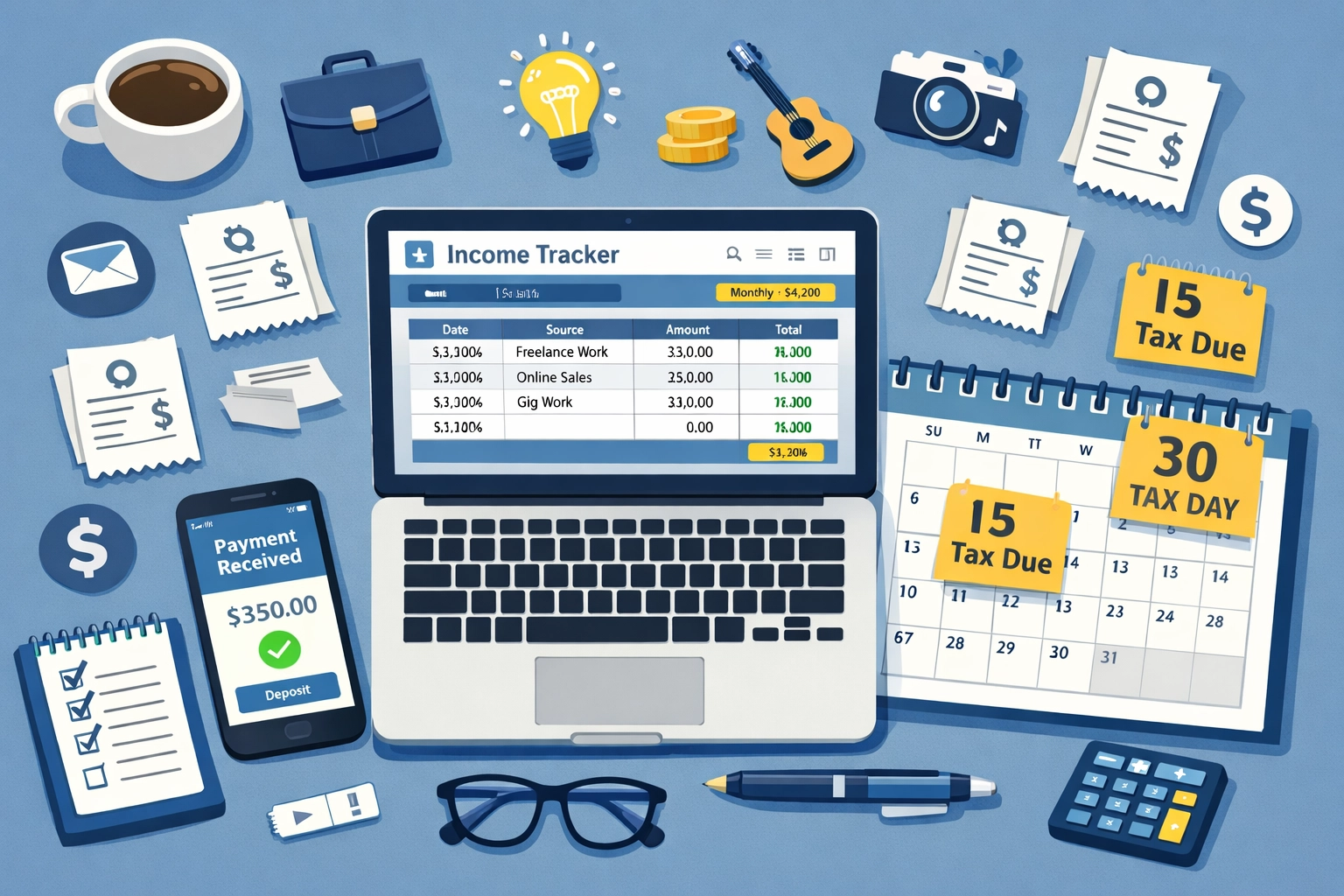
Just because you didn't receive a 1099-K doesn't mean you don't owe taxes. If you earned $599 through freelance work, that income is still reportable: the form simply wasn't required to be issued.
The Problem: New Haven small business owners and gig workers are waiting for forms that will never arrive, then "forgetting" to report that income. The IRS isn't forgetting.
How Tax Pros Fix It: During tax planning consultations, we review all income sources: not just what shows up on forms. We help you establish proper bookkeeping systems that track income regardless of whether you receive a 1099-K, ensuring complete and accurate reporting that maximizes your refund while staying compliant.
Mistake #4: Mixing Business and Personal Transactions in the Same Account
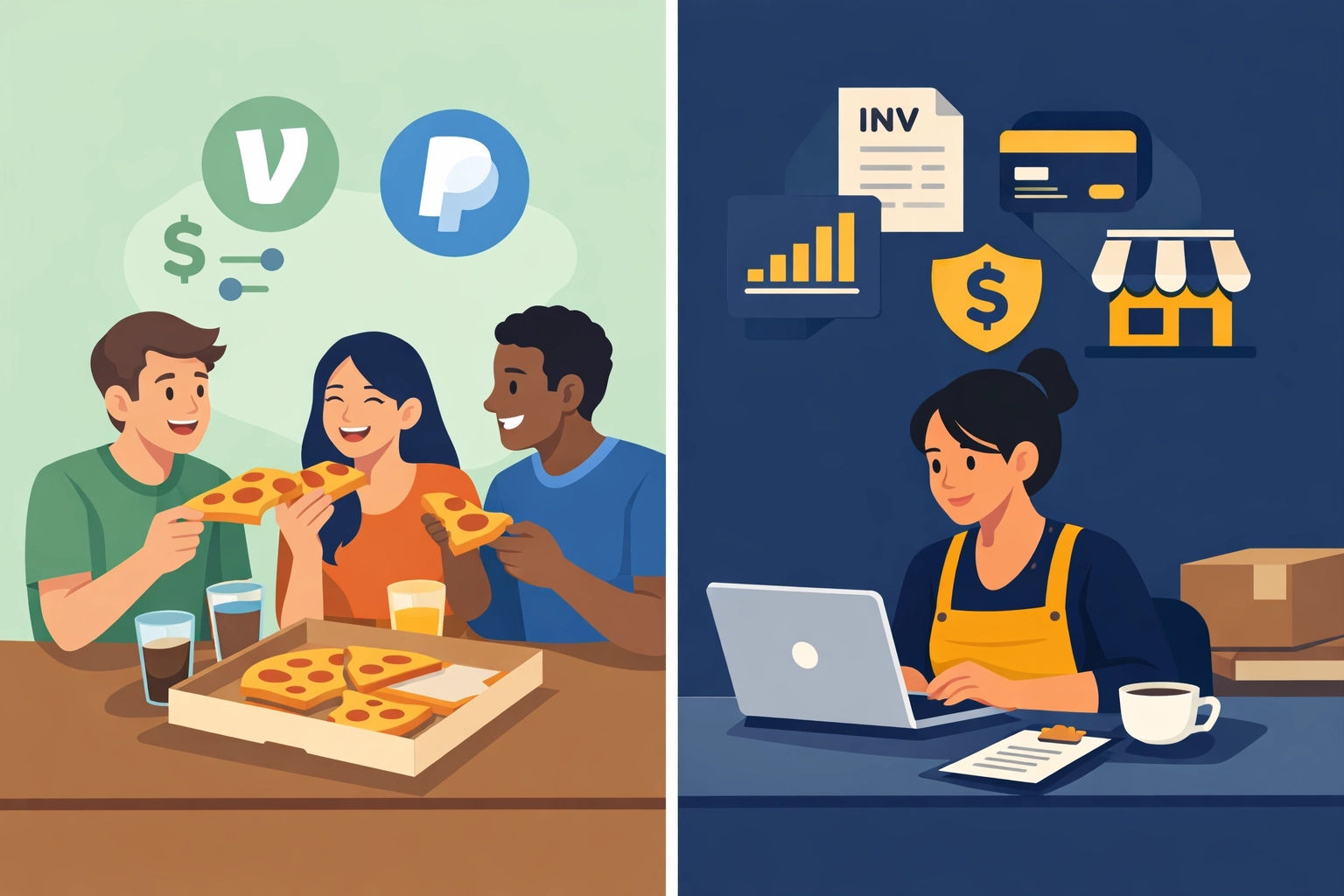
Using one Venmo account for your side business selling vintage clothes AND splitting dinner checks? That's a reconciliation nightmare waiting to happen.
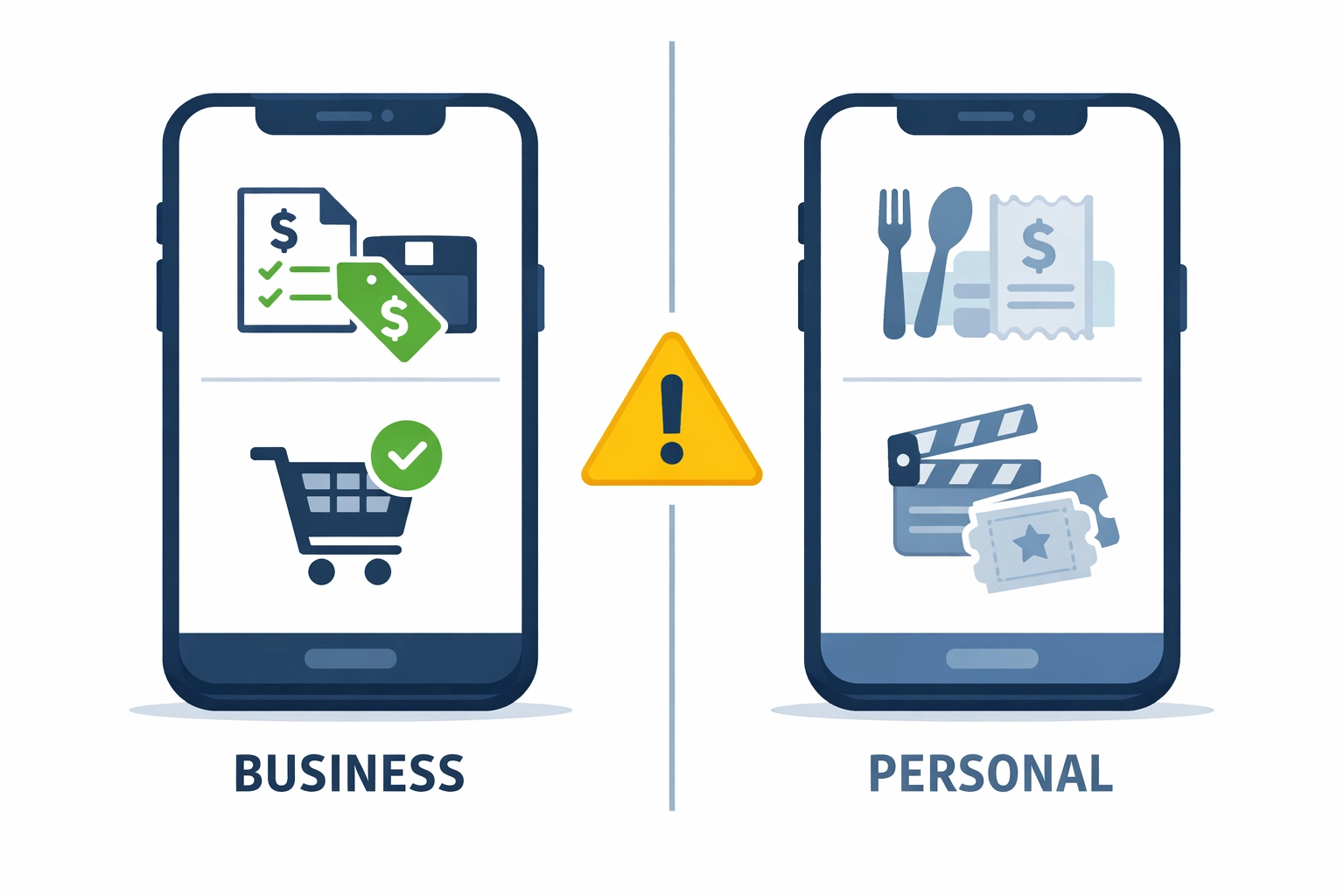
The Problem: Payment processors report aggregate transaction totals. When business and personal mix, you'll receive a 1099-K that includes everything, forcing you to separate transactions during tax preparation: often without adequate records.
How Tax Pros Fix It: We recommend setting up separate accounts for business use and implement a tax update strategy that includes proper expense tracking throughout the year. For current situations, we forensically analyze transaction histories to properly categorize each payment, using descriptions, dates, and amounts to distinguish business from personal.
Mistake #5: Not Keeping Transaction Records After the Fact
Payment apps typically maintain limited transaction history. If you need to prove that $2,500 in receipts was for personal reimbursements from two years ago, good luck finding those details.
The Problem: When the IRS comes knocking (and they do), vague payment app descriptions like "pizza 🍕" or "thanks!" won't cut it as business expense documentation.
How Tax Pros Fix It: We implement document retention systems that capture transaction details in real-time. For New Haven taxpayers doing tax preparation, we create contemporaneous records that support your deductions and income reporting. This includes linking payment app transactions to invoices, receipts, and contracts that substantiate the business purpose.
Mistake #6: Misunderstanding "Friends and Family" Designations
Marking a payment as "friends and family" doesn't automatically make it non-taxable. If you're receiving payment for goods or services, it's taxable income: regardless of how you categorize it in the app.
The Problem: Taxpayers think they've found a loophole by having customers send payments marked as personal. This creates underreported income and potential penalties when the IRS notices the pattern.
How Tax Pros Fix It: Professional tax preparation identifies these situations and corrects them before filing. We help you understand that proper tax planning means reporting all business income correctly, then taking advantage of legitimate deductions to maximize your refund: not hiding income through app settings.
Mistake #7: Failing to Account for State-Specific Requirements!
Connecticut has its own rules about income reporting and sales tax collection. Payment app transactions for certain goods and services may trigger Connecticut sales tax obligations that many taxpayers overlook entirely.
The Problem: New Haven taxpayers focus solely on federal reporting, missing Connecticut-specific requirements that can result in state penalties, interest, and back-tax assessments.
How Tax Pros Fix It: At Jose's Tax Service, we understand both federal and Connecticut tax requirements. We ensure your payment app income is properly reported at both levels, identify any sales tax obligations, and implement systems to stay compliant throughout the year: not just at tax time.
What to Do Right Now
If you've been using payment apps for any business purposes in 2025, take these immediate steps:
Step 1: Download complete transaction histories from all payment apps before February 28, 2026.
Step 2: Separate business transactions from personal reimbursements and gifts.
Step 3: Compare your records against any 1099-K forms received.
Step 4: Document the business purpose for each business transaction.
Step 5: Schedule a consultation with a tax professional specializing in tax preparation in New Haven.
The Concierge Difference in Tax Planning
Payment app issues require more than generic tax software. They need experienced professional review, especially when thousands of dollars in income: and potential deductions: hang in the balance.
A concierge tax approach means personalized attention to your unique situation. We don't just plug numbers into forms; we analyze your complete financial picture, identify tax-saving opportunities you're missing, and create documentation that withstands IRS scrutiny.
For New Haven taxpayers navigating the complexity of payment app reporting, working with experienced professionals isn't optional anymore: it's essential tax planning that protects your refund and your peace of mind.
Don't Face This Alone
The 2026 tax season brings significant changes to payment app reporting, and New Haven taxpayers need guidance that goes beyond basic preparation. Whether you're dealing with 1099-K confusion, mixed personal and business transactions, or just want to maximize your refund while staying compliant, professional help makes the difference.
Visit our tax update resources to stay informed about the latest changes affecting your return, or contact Jose's Tax Service to schedule a consultation. We're here to transform tax confusion into tax confidence: one payment app transaction at a time.
Remember: The IRS is watching payment apps more closely than ever. Make sure your tax preparation strategy is watching back.

Leave a Reply
You must be logged in to post a comment.