
7 Mistakes New Haven Taxpayers Are Making with Payment Apps (And How Concierge Tax Pros Fix Them)
New Haven, CT – February 19, 2026 – Your Venmo account might be more complicated than your relationship status, and the IRS is definitely interested in both.
If you've been using Venmo, PayPal, Cash App, or Zelle to collect payments for your side hustle, small business, or freelance work, there's a tax update you need to know about. The IRS has ramped up reporting requirements for payment apps, and New Haven taxpayers are making some costly mistakes that could trigger audits, penalties, or serious refund delays.
Here's the thing: most people don't realize that splitting rent with roommates looks different to the IRS than getting paid for graphic design work. Both transactions might happen on the same app, but only one of them is taxable income.
Let's break down the seven biggest mistakes we're seeing in our tax preparation New Haven office, and more importantly, how to fix them before April 15.

Mistake #1: Treating All Payment App Money as Non-Taxable
This is the big one. Too many taxpayers think that because they didn't receive a traditional W-2 or 1099 form, the income doesn't count.
The Reality: Any payment you receive for goods or services is taxable income, whether it comes through a payment app, cash, check, or bartered services. The IRS doesn't care about your payment method, they care about your income.
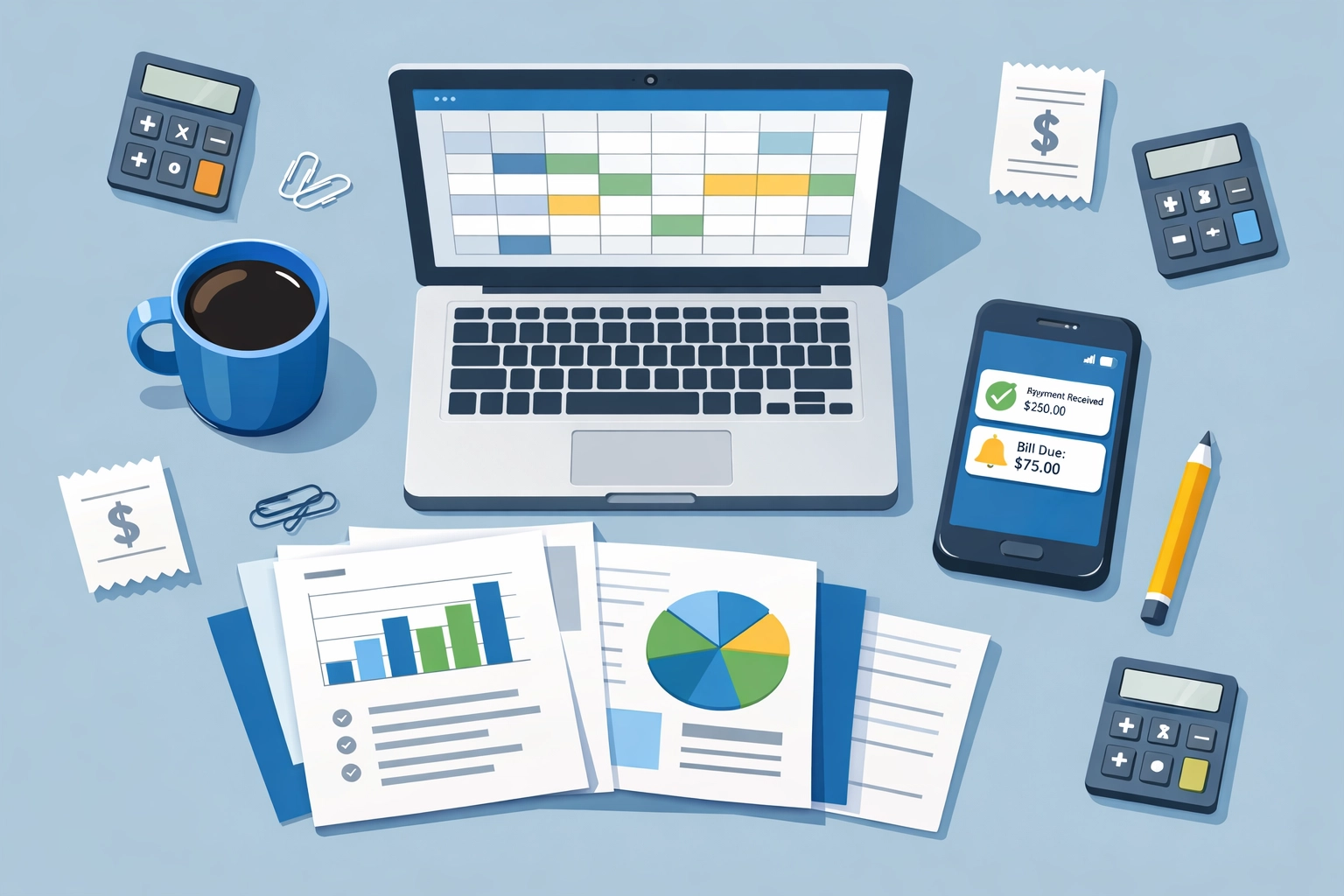
The Fix: Track every business transaction separately from personal transfers. Create a dedicated spreadsheet or use accounting software to record all income from payment apps. Professional tax preparers recommend maintaining a monthly log with transaction dates, amounts, payer information, and descriptions.
Mistake #2: Ignoring the Form 1099-K Threshold Confusion
Here's where things get messy. The IRS initially planned to lower the Form 1099-K reporting threshold to $600 for 2024, then delayed it, then delayed it again. For tax year 2025 (filing in 2026), the threshold is $5,000.
Many New Haven taxpayers are either:
- Assuming they're under the radar because they didn't hit $20,000 and 200 transactions
- Or panicking because they thought the $600 threshold was already in effect
The Fix: Don't rely on receiving a 1099-K to know whether you owe taxes. Even if you earn $500 through Cash App, that income must be reported on your tax return. Concierge tax pros use income tracking systems that capture all revenue sources, regardless of whether third-party reporting occurs.
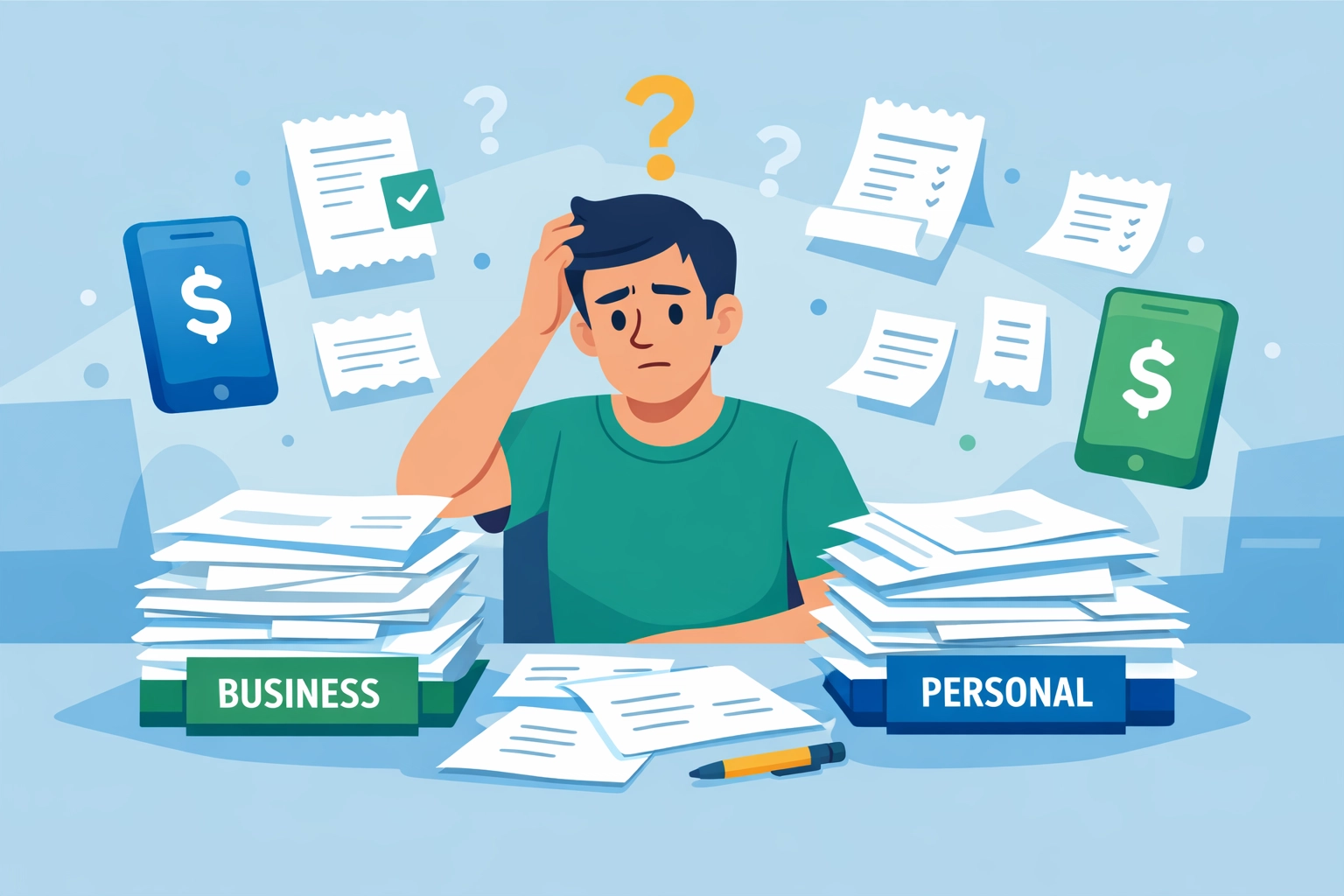
Mistake #3: Using "Friends & Family" to Disguise Business Payments
Look, we get it. Nobody wants to pay platform fees. But marking business payments as "Friends & Family" to avoid merchant charges creates a massive paper trail problem.
The Problem: When you receive Friends & Family payments for business purposes, you're creating inconsistent records. If the IRS audits you, they'll want to know why "Sarah" sent you $2,400 in "pizza money" over six months. Your bank statements won't match your reported income, and that's a red flag.
The Fix: Use proper business categories for all business transactions. Yes, you'll pay platform fees. Consider those fees a cost of doing business: and guess what? They're tax-deductible business expenses that can help maximize tax refund amounts.
Mistake #4: Not Keeping Backup Documentation for Expenses
Payment apps show you received $8,000 last year. Great! But can you prove that $3,000 of that was reimbursement for materials you purchased? Can you show receipts for the supplies you bought to fulfill those orders?
The Reality: Form 1099-K reports gross payments, not net income. If you sold handmade items for $5,000 but spent $2,000 on materials, you only owe taxes on $3,000 of profit. Without documentation, you'll pay taxes on the full $5,000.
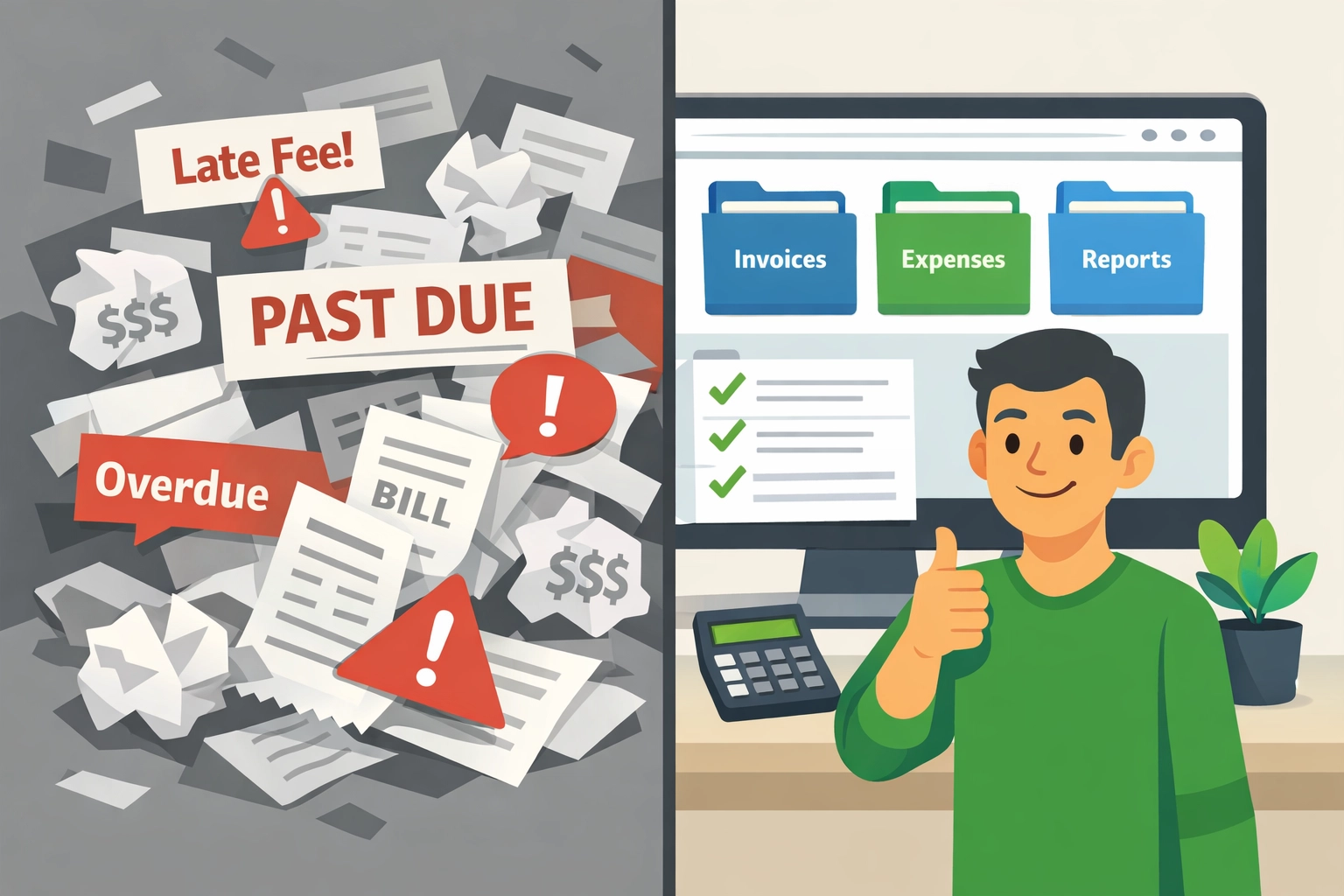
The Fix: Professional tax planning means keeping every receipt, invoice, and proof of expense. Use apps like Expensify or QuickBooks Self-Employed to photograph receipts immediately. Better yet, work with a tax preparation New Haven service that helps you implement expense-tracking systems before problems arise.
Mistake #5: Forgetting About Connecticut State Tax Implications
Federal taxes aren't your only concern. Connecticut requires accurate reporting of all income sources, including payment app transactions.
The Connecticut Factor: The state cross-references federal returns with state filings. Discrepancies trigger automated reviews. If you report payment app income on your federal return but not your CT state return (or vice versa), expect a letter from the Department of Revenue Services.
The Fix: Ensure payment app income appears on both federal and state returns. Connecticut doesn't offer special treatment for gig economy workers or side hustlers: all income is taxable. Experienced tax professionals ensure consistent reporting across all required forms.
Mistake #6: Not Reconciling 1099-K Forms with Actual Income
When that Form 1099-K arrives in the mail showing you received $12,000, but your records show only $10,000 in actual business income, what do you do?
Many taxpayers either:
- Report the higher 1099-K amount and overpay taxes
- Report their lower figure and hope the IRS doesn't notice the discrepancy
- Panic and do nothing
The Fix: Professional tax preparers reconcile these differences properly. Perhaps $2,000 of those payments were refunds to customers, personal reimbursements, or duplicate transactions. With proper documentation, we can report the accurate taxable amount and include an explanation that satisfies IRS requirements.
Mistake #7: Waiting Until Tax Season to Get Organized
This is the mistake that makes all the other mistakes worse. By February or March, when tax filing deadlines loom, it's extremely difficult to reconstruct an entire year of payment app transactions.
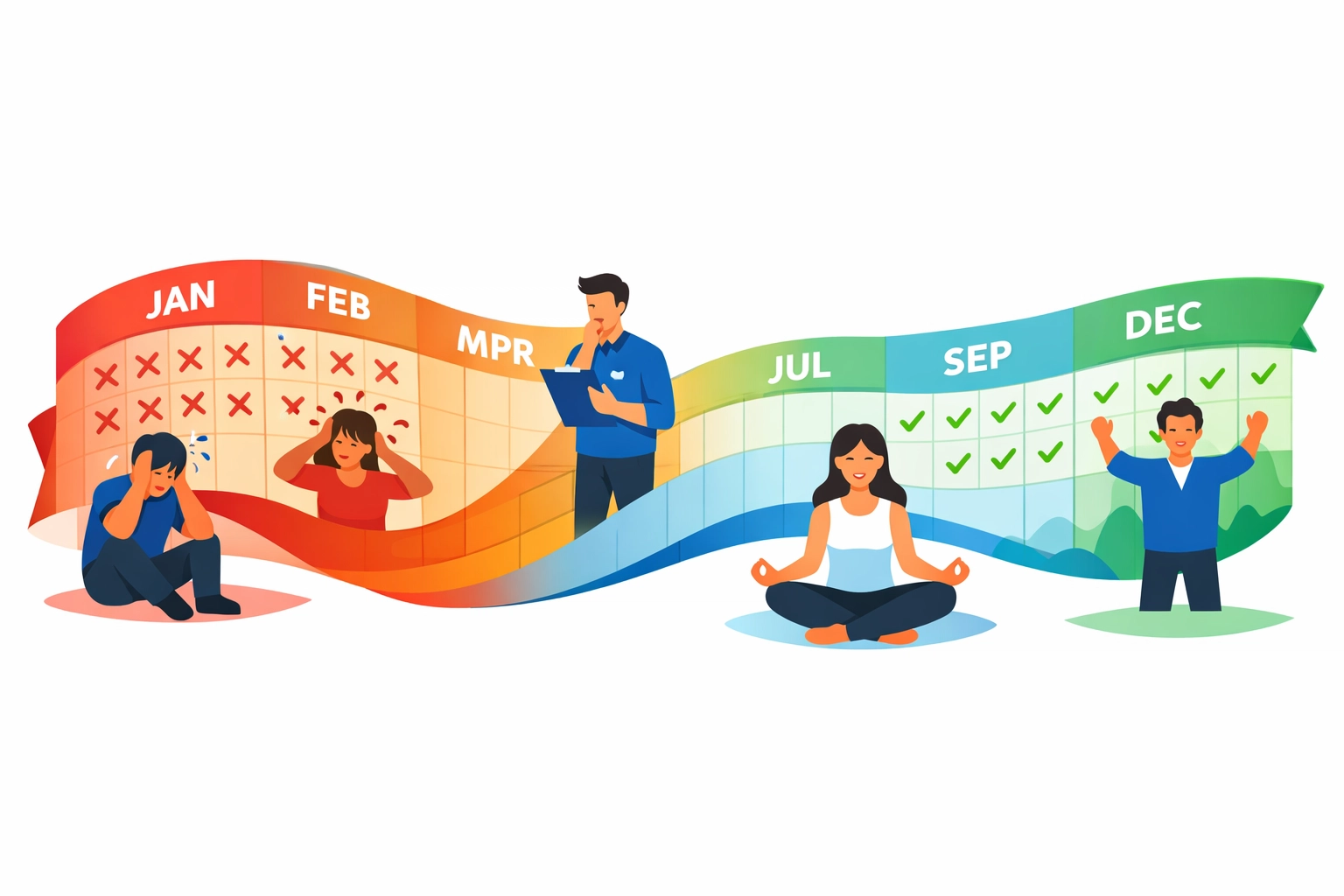
The Panic Timeline:
- January: "I should probably organize my Venmo transactions"
- February: "I'll definitely do it this weekend"
- March: "Why didn't I do this monthly?"
- April 10: Full panic mode, calling tax preparers at midnight
The Fix: Work with a concierge tax professional who implements year-round tax planning strategies. This means:
- Quarterly income reviews to catch problems early
- Monthly bookkeeping to track payment app transactions in real-time
- Estimated tax payment calculations to avoid penalties
- Proactive communication about tax updates and regulatory changes
How Jose's Tax Service Fixes Payment App Tax Problems
Here's what sets concierge-level tax preparation apart from DIY software or basic tax prep services:
Comprehensive Transaction Analysis: We review your complete payment app history, categorize transactions correctly, and identify which payments are taxable income versus personal transfers.
Documentation Systems: We help you implement receipt-tracking and expense-management systems that work with your lifestyle and business model.
IRS Correspondence Management: If you receive an IRS notice about payment app income discrepancies, we handle the response, documentation, and resolution.
Proactive Tax Planning: Instead of reactive problem-solving during tax season, we help you structure payment acceptance strategies that minimize tax liability while maintaining full compliance.
Multi-Platform Integration: Whether you use Venmo, PayPal, Cash App, Zelle, or all four, we consolidate the data into accurate tax reporting.
Action Steps Before April 15
If you've been using payment apps for business purposes, take these steps immediately:
Step 1: Export transaction reports from every payment app you've used in 2025.
Step 2: Separate business income from personal transfers, refunds, and reimbursements.
Step 3: Gather receipts and documentation for all business expenses related to that income.
Step 4: Compare your records against any Form 1099-K you receive.
Step 5: Schedule an appointment with a qualified tax preparation New Haven professional who understands payment app reporting requirements.
The Bottom Line
Payment apps have made collecting money incredibly easy: but they've also created tax reporting obligations that most people don't fully understand. The IRS is closing the gap between informal payment platforms and formal income reporting.
The good news? With proper tax planning and professional guidance, you can use payment apps confidently while staying completely compliant with federal and state tax requirements.
Don't wait until you receive an IRS notice to address payment app reporting problems. The cost of professional tax preparation is minimal compared to penalties, interest, and audit headaches.
Need help sorting out your payment app income before the April 15 deadline? Contact Jose's Tax Service for same-day appointments and concierge-level tax preparation that addresses the unique challenges of digital payment platforms. We'll help you maximize tax refund potential while ensuring every transaction is properly documented and reported.

Leave a Reply
You must be logged in to post a comment.