
7 Mistakes New Haven Taxpayers Are Making with Payment Apps (And How Concierge Tax Pros Fix Them)
Venmo. CashApp. Zelle. PayPal. We're all using them, splitting dinner, paying the babysitter, running side hustles from our phones. But here's the plot twist: the IRS is watching those apps way closer than you think, and 2026 brought some rule changes that are catching New Haven taxpayers completely off guard.
If you've been treating your payment apps like a digital piggy bank with zero tax implications, you're not alone. But you might be in for a surprise when tax season hits. Let's break down the seven biggest mistakes people are making, and how a concierge tax pro can save you from an IRS headache.
Mistake #1: Treating All Payment App Money as "Gifts"
Here's the thing: just because your cousin Venmo'd you $500 doesn't automatically make it a gift. The IRS has specific definitions, and "I sold 50 handmade candles on Facebook Marketplace" doesn't qualify.
The Fix: A concierge tax pro helps you categorize transactions correctly. Business income? Report it. Actual gift from grandma? Document it. Roommate paying their half of rent? That's a reimbursement, not income. Getting this right from day one prevents a mess come April.
If you're running any kind of side business through payment apps, even casually, those transactions need proper tax planning. The difference between a documented gift and unreported income could mean penalties, interest, and a very unhappy letter from the IRS.
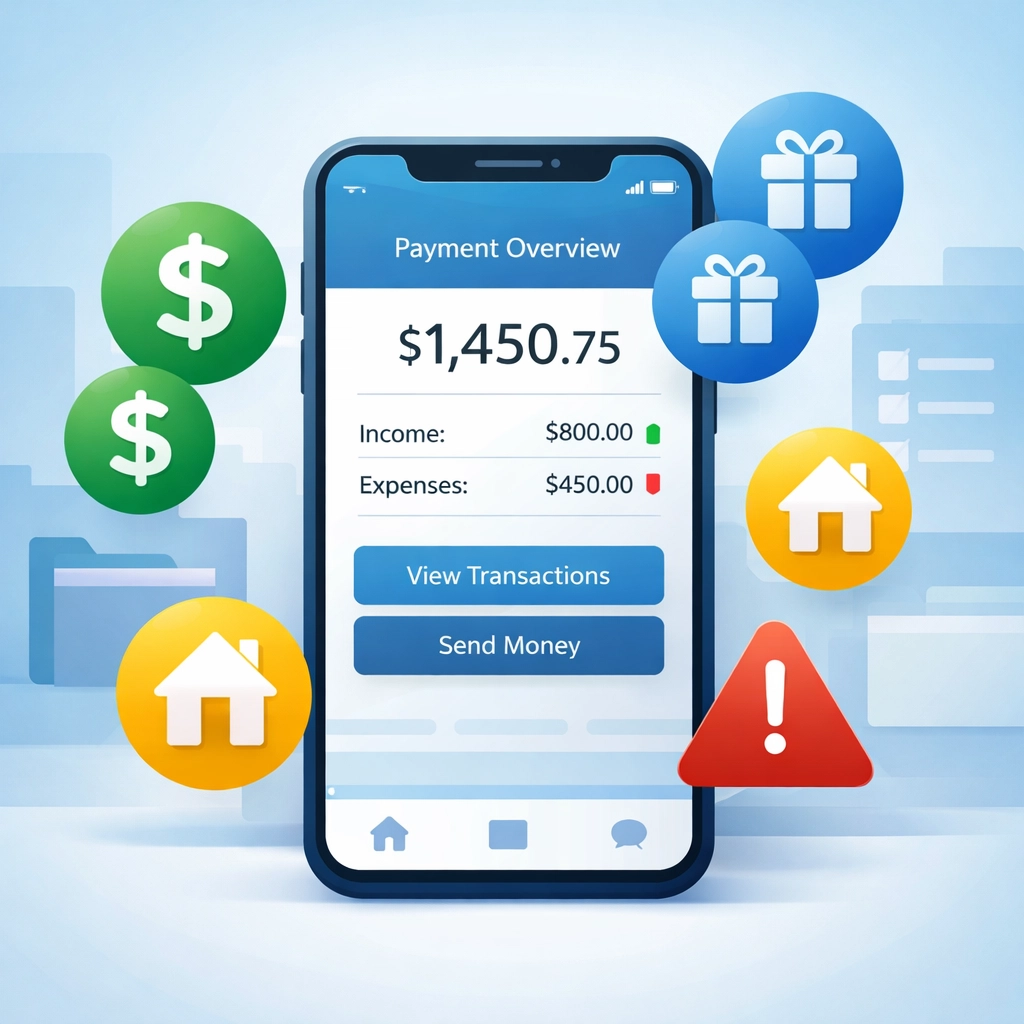
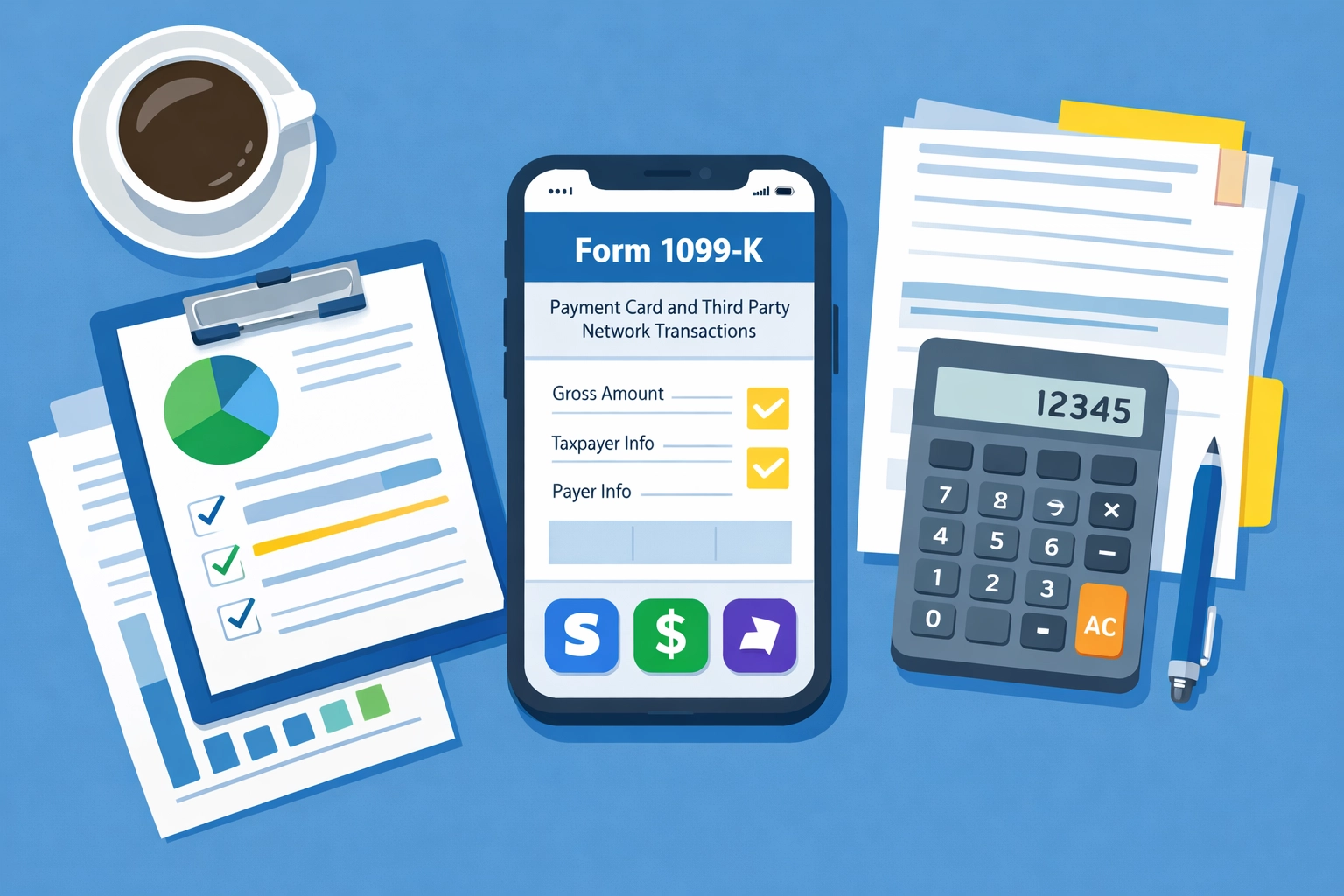
Mistake #2: Ignoring the New 1099-K Rules (Yes, They Changed Again)
Remember when the threshold was $20,000 and 200 transactions? Then it dropped to $600 for 2022? Well, 2026 brought another shift, and the IRS is phasing in enforcement more aggressively.
What You Need to Know: If you received payments for goods or services through third-party platforms, you'll likely get a 1099-K form. The problem? Many New Haven taxpayers are tossing these forms aside or not understanding what they mean for their tax return.
The Fix: Tax preparation in New Haven just got more complicated if you're a gig worker, freelancer, or small business owner. A concierge tax pro tracks your 1099-K forms, matches them against your actual income, and ensures you're not double-reporting or missing deductions that offset that income.
Fun fact: the IRS receives a copy of every 1099-K issued. If yours shows $8,000 in payments and you report $0 income, expect some pointed questions.
Mistake #3: Forgetting That Fees Are Deductible
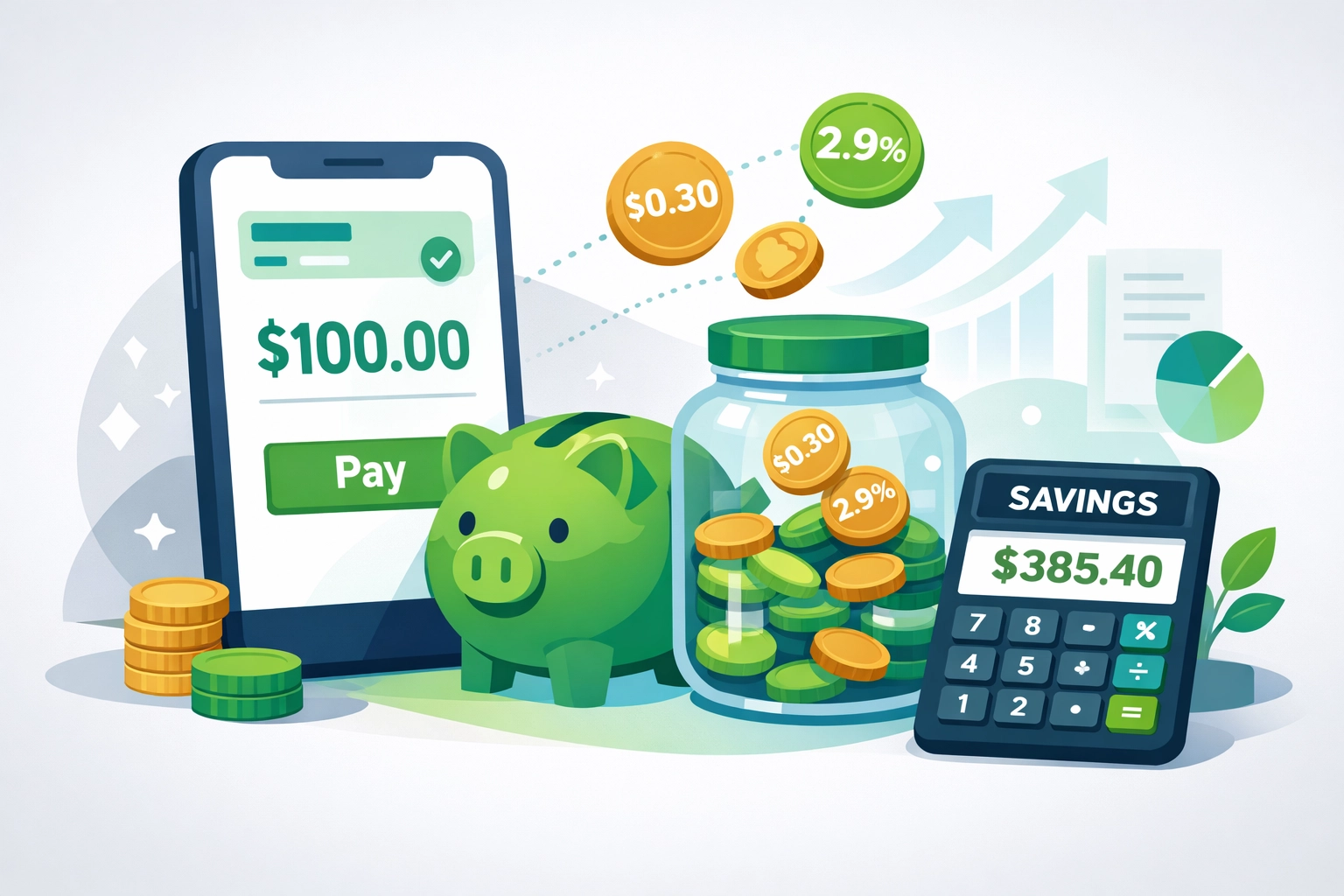
Every time you accept a payment through PayPal or Venmo for business purposes, they're taking a cut, usually around 2.9% plus $0.30 per transaction. Over a year, that adds up.
The Mistake: Most people just accept the fees as "the cost of doing business" and never think about them again. Wrong move.
The Fix: Those transaction fees are business expenses, which means they're deductible. A tax pro makes sure every dollar in fees gets properly documented and claimed, helping you maximize your tax refund instead of leaving money on the table.
If you processed $20,000 through payment apps last year, you likely paid $600-$800 in fees. That's real money that should be working to lower your tax bill.
Mistake #4: Mixing Personal and Business Transactions in the Same Account
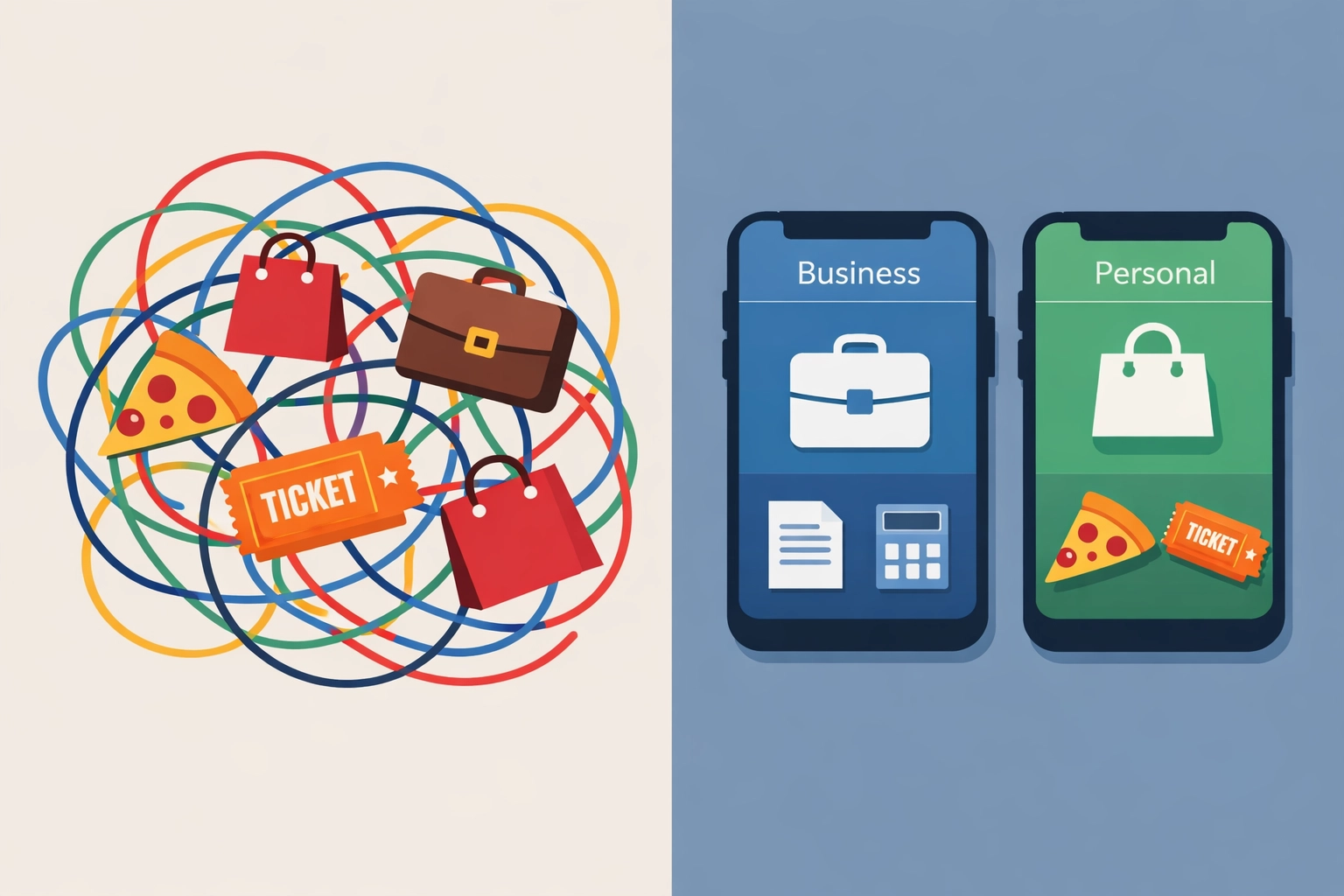
Your payment app history looks like a wild ride: dog walker payment, selling old furniture, client invoice, splitting pizza, another client payment, reimbursing your friend for concert tickets.
The Problem: When tax season arrives, sorting through this chaos to figure out what's taxable income versus personal transactions becomes a nightmare. And if the IRS audits you? Good luck explaining which $300 payment was for your Etsy shop versus your buddy paying you back for that weekend trip.
The Fix: Concierge tax pros recommend (and help you set up) separate payment app accounts for business versus personal use. This creates a clean paper trail, simplifies record-keeping, and makes tax preparation so much easier.
Yes, it means managing two Venmo accounts or using PayPal for business and Zelle for personal. But the hour you save during tax prep: and the audit protection you gain: makes it worth every second.
Mistake #5: Not Keeping Backup Documentation
Payment app records are convenient, but here's a tax update for 2026: the IRS wants more than just a transaction list. They want proof of what the payment was for.
The Mistake: You sold $5,000 worth of handmade jewelry through Instagram and got paid via CashApp. You report the income. Great! But when asked what your cost of goods sold was, or what business expenses offset that income, you have… nothing. Just a list of deposits.
The Fix: A concierge tax pro helps you establish a documentation system from day one. Every payment app transaction needs a corresponding record: what was sold, to whom, the date, and any expenses related to that sale.
This isn't about being paranoid: it's about being prepared. The IRS has up to three years (sometimes longer) to audit your return. Your payment app might not keep records that long, but your tax pro will.
Mistake #6: Missing Local Tax Implications (New Haven Edition)
Here's something most DIY tax filers miss entirely: Connecticut has its own rules about payment app income, and New Haven has local considerations that affect your tax situation.
The Real Talk: If you're using payment apps for business, you might need a local business license. If you're selling goods, Connecticut sales tax could apply. If you're earning enough, estimated quarterly tax payments become mandatory: and late payments mean penalties.
The Fix: This is where local tax preparation in New Haven becomes crucial. A tax pro who knows Connecticut tax law and New Haven requirements ensures you're compliant at every level: federal, state, and local.
For example, if you're making more than $1,000 annually through payment apps for services or products, Connecticut wants to know about it. Miss that? You're looking at interest and penalties that compound quickly.
Speaking of local payments: if you're using payment apps to pay your New Haven property taxes, be aware that different payment methods carry different fees and hold times. Credit cards charge 2.5% of your payment, debit cards cost $3.25 per transaction, and ACH transfers incur a $0.75 fee plus a five-day business hold. Your tax pro can help you choose the most cost-effective payment method while ensuring you meet deadlines.
Mistake #7: Not Planning for Estimated Taxes
This is the big one that catches people every single year. You made $15,000 through your side hustle using payment apps. Awesome! But did you pay quarterly estimated taxes on that income?
The Mistake: Most people don't even know estimated taxes exist until they file their return and owe a massive tax bill: plus an underpayment penalty.
The Fix: Tax planning isn't just about last year's return; it's about managing this year's tax liability before it becomes a crisis. A concierge tax pro calculates your estimated tax obligations based on your payment app income and sets up quarterly payment reminders.
This proactive approach helps you maximize your tax refund by avoiding penalties, spreading out your tax payments over the year, and never facing a five-figure surprise in April.
The Bottom Line: Don't Go It Alone
Payment apps have made earning money easier than ever. But they've also made tax compliance way more complicated than most New Haven taxpayers realize. The 1099-K rules, documentation requirements, estimated tax obligations, and state-specific regulations create a maze that's easy to mess up when you're handling it yourself.
The difference between DIY tax prep and working with a concierge tax pro isn't just about filing accuracy: it's about strategic tax planning that saves you money, protects you from audits, and gives you peace of mind.
Your payment apps are recording every transaction. The IRS is watching. And 2026's tax rules aren't getting any simpler. The question isn't whether you can figure it out yourself: it's whether the time, stress, and potential penalties are worth it when professional help is available.
If your payment app history looks anything like the scenarios above, it's time for a tax update on your approach. Because the biggest mistake isn't using payment apps for business: it's trying to handle the tax implications without expert guidance.
Ready to get your payment app taxes sorted before April 15? Let's talk about how concierge tax preparation can turn this mess into a manageable, optimized tax strategy. Your future self (and your bank account) will thank you.

Leave a Reply
You must be logged in to post a comment.