
5 Steps to Stress-Free Tax Planning: How to Maximize Your Tax Refund Before the April 15 Panic
NEW HAVEN, CT – Jose’s Tax Service – March 14, 2026
It is officially March 14th. If you listen closely, you can hear the collective heart rate of New Haven taxpayers beginning to spike. We are exactly one month and one day away from the April 15th deadline. At Jose’s Tax Service, we call this the "Pre-Panic Window." It’s that magical time when you still have enough hours left to actually influence the outcome of your tax return, rather than just documenting the disaster.
I’m Jose’ Morales, and I’ve seen enough "shoeboxes of doom" to know that a little tax planning goes a long way. You don’t need to be a math genius or a corporate lawyer to maximize your tax refund. You just need a plan. If you’re tired of the annual scramble, here are five steps to keep your cool and keep more of your cash before the April 15 panic truly sets in.
1. Develop Your Tax Baseline with a Pro Forma Return!
You wouldn’t start a road trip without checking your gas gauge, so why would you start your tax filing without a baseline? The first step in professional tax preparation in New Haven is understanding where you currently stand.
We recommend asking your tax pro to prepare a pro forma 2025 tax return. This isn't your final filing; it’s a simulation. By looking at your year-to-date income and account activity through March, we can identify "surprises" before they become "liabilities."
Actionable Steps:
- Request a YTD Summary: Gather all account activity from January through March.
- Identify Income Spikes: Did you sell stock? Did your side hustle take off?
- Calculate the Gap: Compare what you’ve already paid in (withholding) against what the pro forma says you owe.
Knowing your baseline prevents that mid-April heart attack when you realize you’re short a few thousand dollars. If you want to see where you stand right now, you can even get a quick look at potential outcomes via our tax quote tool.

2. The Great Debate: Itemizing vs. The Standard Deduction!
For the 2026 tax season, the IRS has once again adjusted the standard deduction. While most people take the easy route and claim the standard amount, skipping the itemization process could be a multi-thousand-dollar mistake.
Tax Update for 2026: Be extremely careful with charitable deductions this year. New limitations on charitable contributions are taking effect for 2026 filings. If you made significant donations in 2025, you must verify their eligibility under the new codes.
What to Check:
- Mortgage Interest: Still one of the biggest wins for New Haven homeowners.
- Property Taxes: Did you buy a new car or property in 2025? Those taxes are often deductible.
- State and Local Taxes (SALT): Keep an eye on those Connecticut-specific filings.
If your total itemized deductions are even one dollar higher than the standard deduction, you’re leaving money on the table by not itemizing. At Jose’s Tax Service, we run the numbers both ways, every single time. You can learn more about how we categorize these deductions in our category archives.
3. Harvest Your Capital Losses (The Legal Way)!
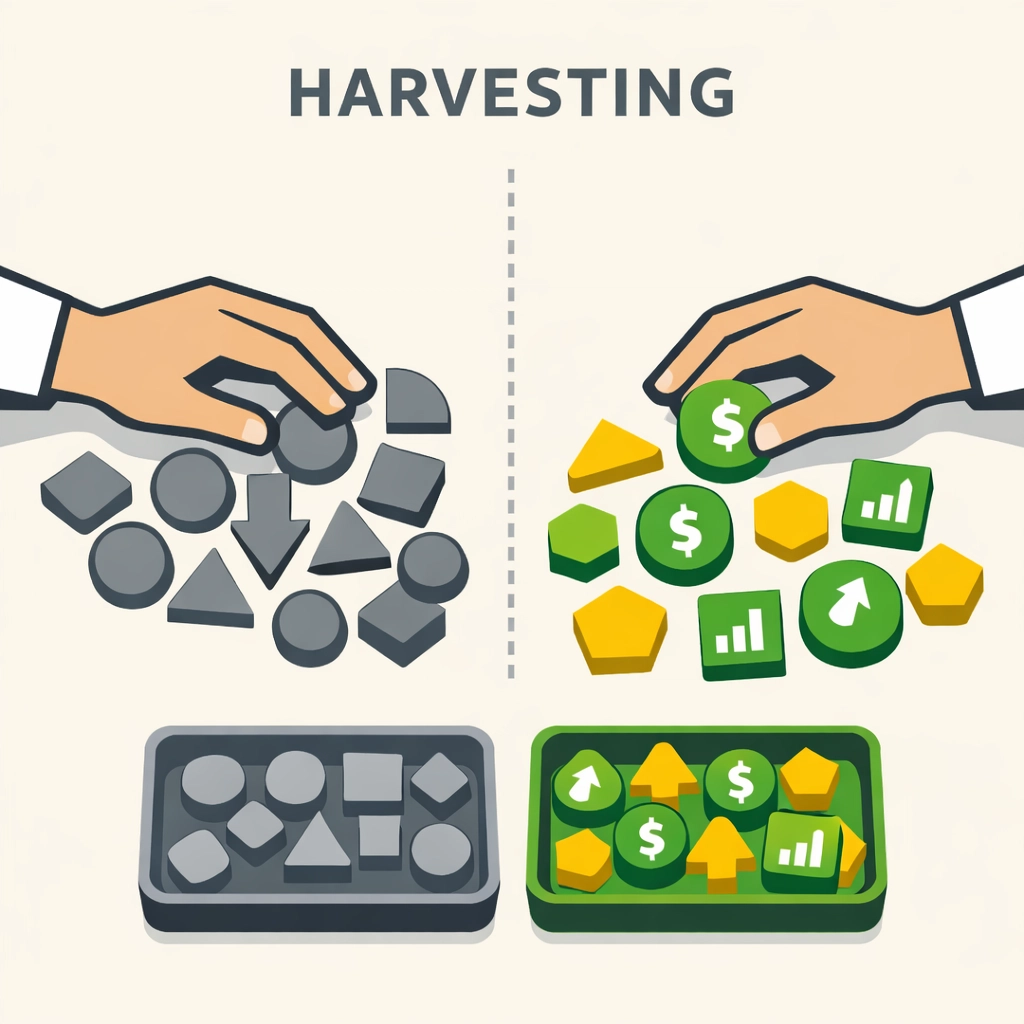
Did your crypto portfolio take a dive? Did that "sure thing" tech stock go south? Don't just mourn the loss, use it. Tax-loss harvesting is a sophisticated tax planning strategy that allows you to offset capital gains with capital losses.
If you realized significant gains in 2025, maybe you sold a house or hit it big on an investment, you can use your "loser" investments to reduce your taxable income. The IRS allows you to use these losses to offset gains, and even deduct up to $3,000 of excess loss against your ordinary income.
Commandments of Loss Harvesting:
- Review your brokerage statements for any "unrealized losses."
- Sell before the deadline if you haven't already (though for 2025 taxes, these moves usually need to happen by Dec 31, planning for your 2026 liability starts now).
- Avoid the "Wash Sale" rule: You can’t sell a stock for a loss and buy it back 30 days later just to get the tax break. The IRS is onto that one.
4. Maximize Your Flexible Spending Accounts (FSAs)!
If your employer offers an FSA (Flexible Spending Account) or a Dependent Care FSA, you are sitting on a goldmine of tax savings. For the 2026 tax year, the FSA limit has been bumped to $3,400.
Why does this matter? Because every dollar you put into an FSA is pre-tax. That means if you’re in the 24% tax bracket, putting $3,400 into an FSA effectively saves you over $800 in taxes while giving you money to spend on healthcare.
The 2026 Limits:
- Healthcare FSA: $3,400.
- Dependent Care FSA: Up to $7,500 for those filing jointly.
If you have kids in daycare in New Haven, the Dependent Care FSA is essentially a "20% off coupon" for your childcare costs, courtesy of the IRS. Use it or lose it!

5. Adjust Your W-4 Withholding Now!
If you finish your 2025 return and find out you owe the IRS a massive check, don't just complain about it, fix it for next year. The April 15 panic is often caused by incorrect withholding on your Form W-4.
If you received a large tax bill, you need to increase your withholding immediately. This reduces your take-home pay slightly each month but prevents a catastrophic bill (and potential underpayment penalties) next April. Conversely, if you got a $5,000 refund, you’re essentially giving the government an interest-free loan. You could have had that money in your paycheck all year to pay down debt or invest.
Jose’s Pro Tip: Consult with us for a tax update session. We can help you fill out a new W-4 to ensure your 2026 taxes are perfectly balanced. We want you to get your money back, but we also want you to have your money now.
Why New Haven Chooses Jose’s Tax Service
We aren’t just a seasonal pop-up shop. Jose’s Tax Service is a year-round resource for the New Haven community. Whether you are dealing with complex small business bookkeeping or just trying to navigate the new 2026 digital filing requirements, we have the expertise to get it done right.
Filing your taxes shouldn't feel like a root canal. With the right tax planning and a bit of witty guidance, you can walk into April 15th with a smile on your face and a maximum refund in your bank account.
Don't wait for the April 14th midnight madness!
- Visit us: josestaxservice.com
- Get a Quote: Tax Quote Result
- Stay Updated: Check our recent archives for more tips.
What’s Next in Our 7-Day Series?
This was Day 3 of our 2026 Tax Season Countdown. We’re helping you stay ahead of the curve so you don't get caught in the USPS postmark traps or the payment app pitfalls.
Coming tomorrow (Day 4): Do You Really Need an IRS Online Account? Here's the Truth (Plus Tax Update for 2026). We'll dive into the security pros and cons of the IRS's new digital push and whether you should opt-in or stay analog.

Final Reminder: The IRS is increasingly moving toward digital-only interactions. If you are still waiting on a paper check in the mail, you are living in the past, and your refund is moving at the speed of a snail. Check out our Day 1 post on setting up Direct Deposit to ensure your 2026 refund hits your account in record time.
Stay smart, stay prepared, and let’s get those refunds maximized!
Disclaimer: This blog post provides general information and should not be construed as specific legal or tax advice. For personalized guidance, please schedule a consultation with Jose' Morales at Jose's Tax Service.

Leave a Reply
You must be logged in to post a comment.