
2026 Tax Planning Moves to Maximize Your Refund Before April 15
NEW HAVEN, CT , February 23, 2026 , You have seven weeks. That's it. Seven weeks until April 15 to squeeze every possible dollar out of your 2026 tax refund. And here's the kicker: this year might deliver one of the biggest refund opportunities in over a decade, but only if you make the right moves now.
The IRS has already processed millions of returns, and early filers are seeing substantial refunds. But those smart taxpayers didn't wait until the last minute. They planned. They strategized. They made moves before the deadline crunch.
Let's talk about how you can do the same.
The Standard Deduction vs. Itemizing Decision Just Got Complicated!
First things first: forget what you knew about the standard deduction being the easy winner. The 2026 tax update changed the game, particularly for New Haven homeowners.
The state and local tax (SALT) deduction cap increased under current tax law. This means itemizing your deductions may now beat the standard deduction for many Connecticut taxpayers who previously couldn't benefit from itemizing.[1]
Calculate both scenarios immediately:
- Add up your mortgage interest payments from 2026
- Total your charitable donations (including that bag of clothes to Goodwill you forgot about)
- Calculate your state and local taxes paid
- Include medical expenses exceeding 7.5% of your adjusted gross income
- Add job-related expenses if you qualify
If that total exceeds $14,600 (single) or $29,200 (married filing jointly), itemize. Period.
Warning: The IRS may request documentation for any deduction you claim. Start gathering receipts, bank statements, and donation confirmations now. Waiting until April 10 to dig through your files is a recipe for missed deductions and unnecessary stress.
The New Tips Deduction Could Save You $6,000!
Here's something your tax preparation New Haven neighbors might not know yet: Congress passed a new tips deduction for 2026 that could save qualifying taxpayers up to $6,000.
If you work in hospitality, food service, or any tipped position, this applies to you. The average benefit across approximately five million taxpayers sits around $1,400, but those in the 24% tax bracket could see the full $6,000 savings.
Action required:
- Gather all tip income documentation from your employer
- Compile cash tip records you maintained throughout 2026
- Verify your total reported tip income matches IRS Form 4137 requirements
- Claim this deduction on Schedule 1 (Additional Income and Adjustments to Income)
This deduction didn't exist last year. Don't leave money on the table because you filed using old information.
Retirement Contributions: Your Secret Weapon for Tax Planning
You still have time to reduce your 2026 taxable income through retirement contributions, but the clock is ticking.
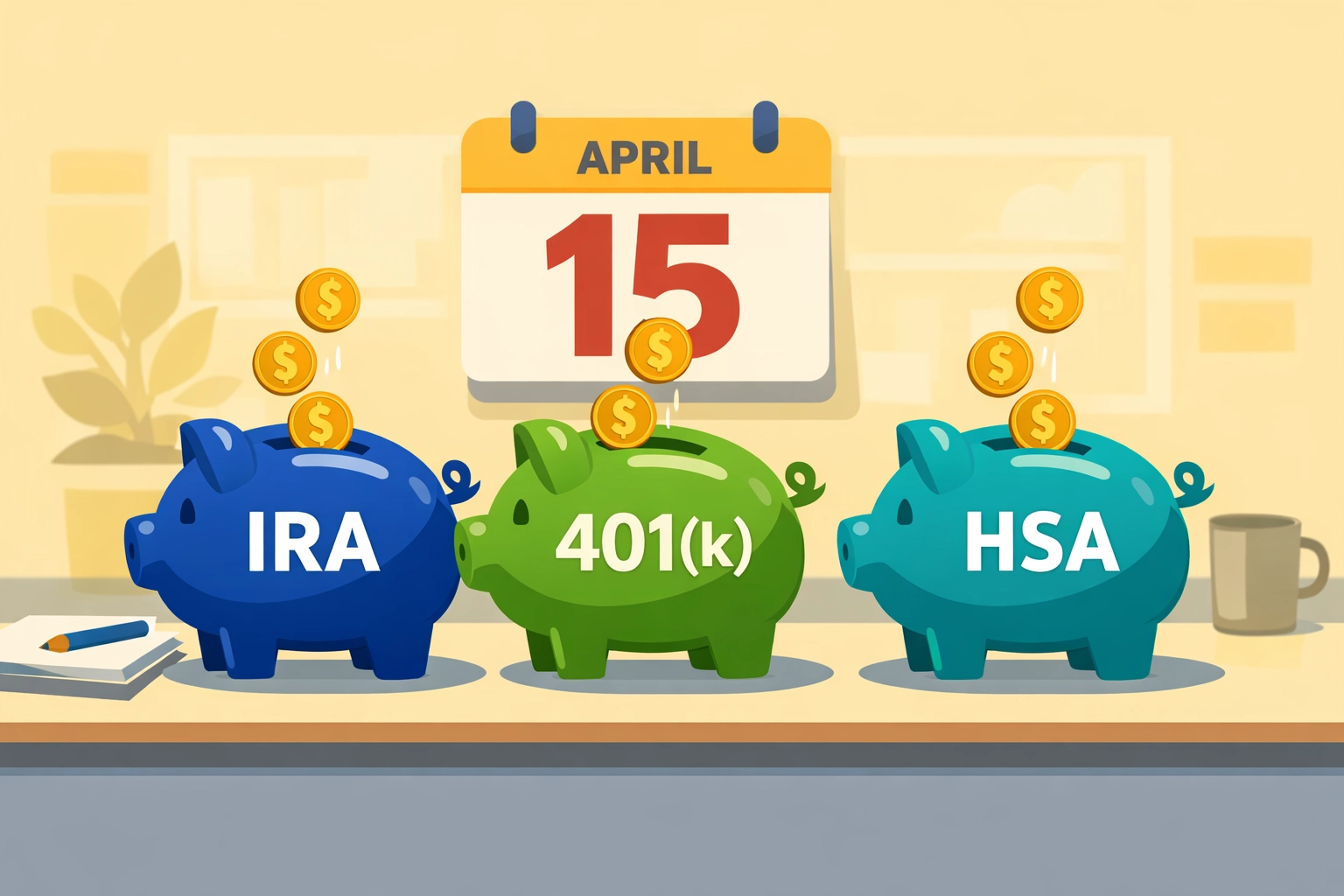
Traditional IRA contributions can be made up until the April 15 filing deadline and still count for 2026. For those under 50, contribute up to $7,000. If you're 50 or older, you can contribute $8,000 thanks to catch-up provisions.
Every dollar you contribute to a traditional IRA reduces your taxable income dollar-for-dollar. In the 22% tax bracket? A $7,000 contribution saves you $1,540 in taxes. That's immediate money back in your pocket.
401(k) contributions must have been made through payroll by December 31, 2026. If you didn't maximize these contributions last year, adjust your 2027 withholdings immediately to avoid repeating this mistake.
HSA triple-tax advantage: Health Savings Accounts offer the best tax deal in the entire tax code. Contributions are deductible, growth is tax-free, and qualified withdrawals are tax-free.
For 2026, contribute up to:
- $4,300 for individual coverage
- $8,550 for family coverage
- Additional $1,000 catch-up if you're 55 or older
Unlike flexible spending accounts, HSA funds roll over indefinitely. Contribute now, reduce your 2026 tax liability, and build a healthcare nest egg for retirement.

Investment Tax Strategies You Can Still Execute
Tax-loss harvesting works year-round, but reviewing your portfolio now can still impact your 2026 return.
Review investment losses from 2026: Investment losses can offset capital gains dollar-for-dollar. Once you've offset all gains, you can deduct up to $3,000 of losses against ordinary income. Any remaining losses carry forward to future tax years.
Did you sell stocks, mutual funds, or cryptocurrency at a loss in 2026? Make sure those losses appear on your return. Your brokerage should have sent Form 1099-B, but verify the numbers match your records.
Capital gains distributions: If you hold mutual funds in taxable accounts, you received capital gains distributions in 2026 even if you didn't sell anything. These distributions are taxable. Review your 1099-DIV forms carefully and report all distributions accurately.
Missing or misreporting investment income triggers IRS matching programs. The IRS receives copies of every 1099 form sent to you. When their numbers don't match your return, expect a letter (and potentially penalties).
The Estimated Tax Payment Escape Hatch
Underpaid taxes throughout 2026? You may face underpayment penalties unless you take action.
Make a final estimated tax payment before April 15. This payment can reduce or eliminate underpayment penalties, particularly if you:
- Started a side business or gig work in 2026
- Received unexpected income (bonuses, inheritance, freelance payments)
- Changed jobs and had gaps in withholding
- Sold property or investments with large capital gains
The safe harbor rule states that if you paid at least 90% of your 2026 tax liability OR 100% of your 2025 tax liability (110% if your adjusted gross income exceeded $150,000), you avoid penalties.
Calculate your estimated liability immediately. If you're short, make a payment through IRS Direct Pay before filing your return.
Fix Your W-4 Withholding Right Now
Getting a massive refund feels great, but it means you gave the government an interest-free loan all year. Getting hit with a tax bill feels worse, and it may trigger penalties.
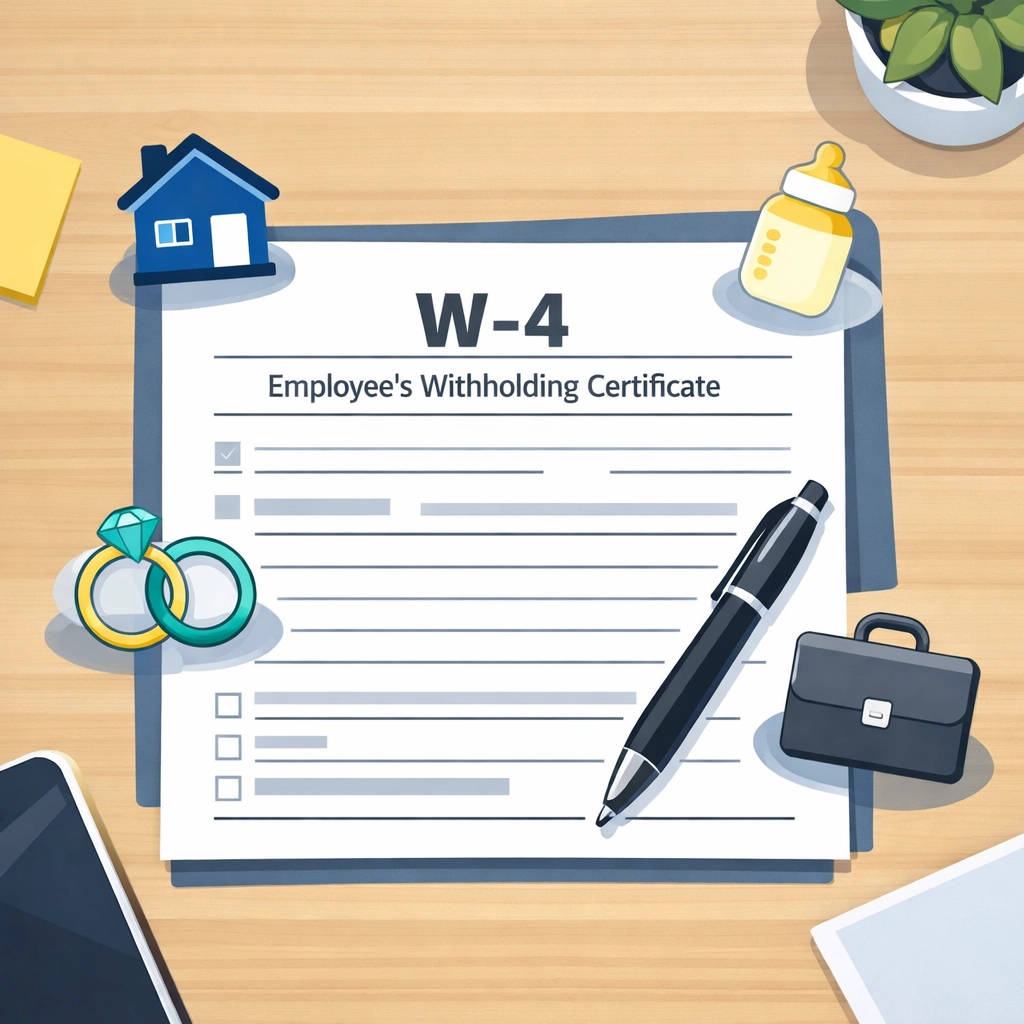
Review your W-4 immediately if you:
- Got married or divorced in 2026
- Had a child
- Bought a home
- Changed jobs
- Started or stopped a second job
- Had a spouse start or stop working
Use the IRS Tax Withholding Estimator to calculate proper withholding for 2027. Adjust your W-4 with your employer this week. Proper withholding prevents refund surprises (good or bad) and keeps more money in your paycheck throughout the year.
The Filing Method That Speeds Up Your Refund by Weeks
Paper filing is dead. Well, almost dead. The IRS is phasing out paper refund checks, and paper returns take exponentially longer to process.
E-file with direct deposit. This combination delivers refunds in three to six weeks instead of the three to six months paper filing can take.
Working with a tax preparation New Haven professional like Jose's Tax Service ensures your return is filed electronically with all supporting documentation properly attached. We catch errors before submission, preventing processing delays and IRS correspondence.
Amended returns: If you need to amend a 2025 or earlier return, do it now before you file your 2026 return. Processing amended returns takes time, and you want those refunds flowing before summer arrives.
Documentation: The Difference Between Deductions and Denials
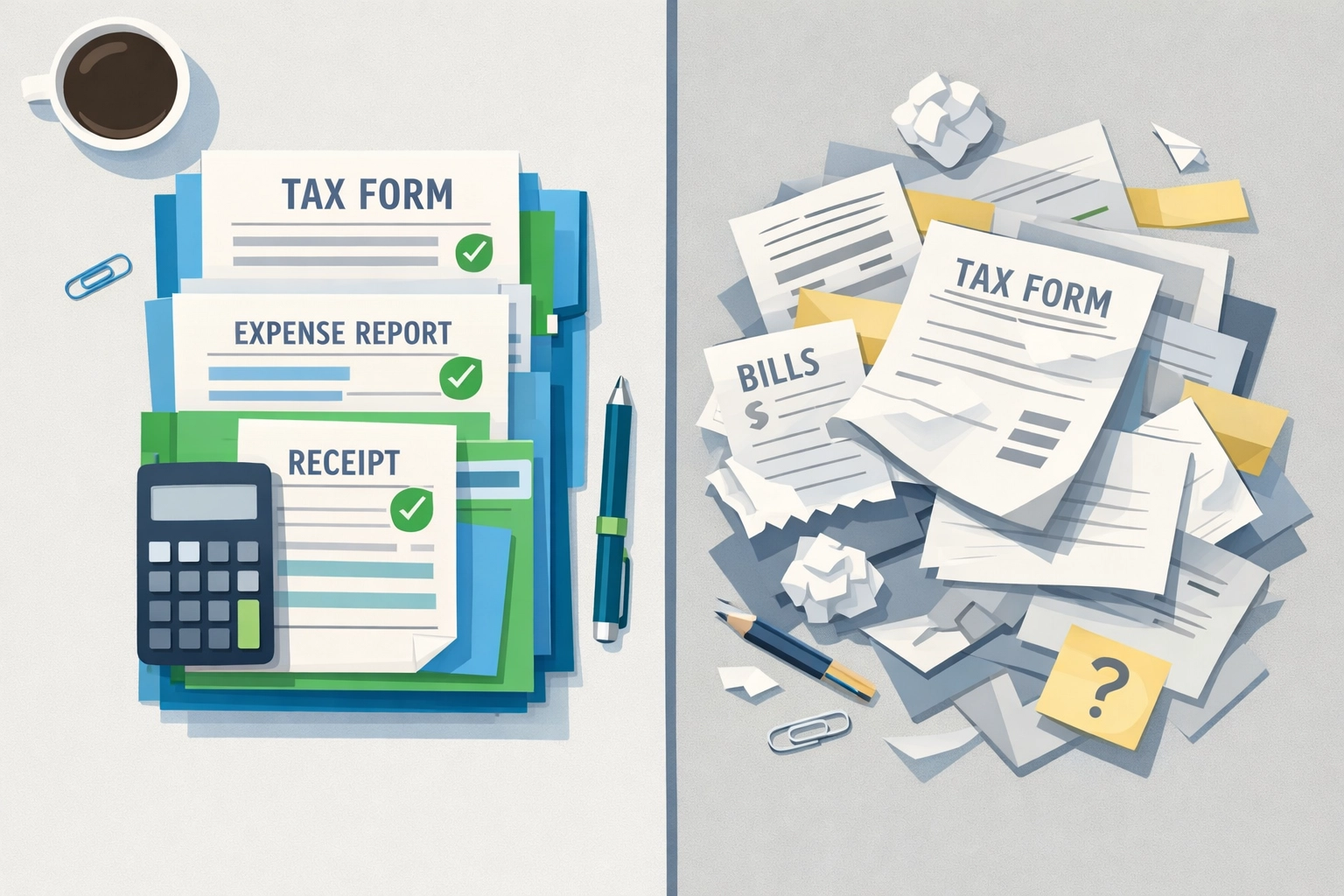
The IRS doesn't take your word for anything. Every deduction, every credit, every adjustment requires documentation you can produce upon request.
Organize these documents before filing:
- W-2 forms from all employers
- 1099 forms (interest, dividends, gig work, unemployment)
- Mortgage interest statements (Form 1098)
- Property tax records
- Charitable donation receipts (required for any donation over $250)
- Medical expense receipts
- Business expense documentation
- Education expense records (Form 1098-T)
- Childcare provider information (name, address, tax ID)
Missing documentation means missed deductions. Period. The IRS won't accept "I forgot" or "I lost the receipt" as valid explanations.

Why Professional Tax Preparation Beats DIY Software
Tax software handles simple returns adequately. But 2026 isn't simple. New deductions, changing SALT caps, cryptocurrency reporting requirements, and complex state-federal interactions create landmines DIY software can't navigate.
A tax professional identifies deductions you didn't know existed. We stay current on tax law changes (like that tips deduction) that software updates may not explain clearly. We review your entire financial picture, not just what you enter into predetermined boxes.
The cost-benefit calculation is simple: Professional tax preparation costs a few hundred dollars. Missing one major deduction costs thousands. Missing a filing requirement triggers penalties and interest that compound annually.
Your Action Plan for the Next Seven Weeks
Stop procrastinating. You have seven weeks to maximize your 2026 refund. Here's your checklist:
Week 1 (This Week):
- Gather all tax documents
- Calculate itemized deductions vs. standard deduction
- Make final IRA or HSA contributions if beneficial
- Review investment activity and capital gains/losses
Week 2-3:
- Review tips deduction eligibility and documentation
- Calculate estimated tax liability
- Make estimated tax payment if needed
- Adjust 2027 W-4 withholding
Week 4-5:
- Organize documentation for all deductions and credits
- Review prior year returns for carryover items (losses, credits)
- Schedule appointment with tax professional
Week 6:
- File return electronically with direct deposit
- Double-check all entries before submission
- Save copies of return and all supporting documents
Week 7:
- Track refund status through IRS Where's My Refund tool
- Respond immediately to any IRS correspondence
- Begin 2027 tax planning (yes, already)
The Bottom Line
Tax planning isn't about cheating the system. It's about using every legal deduction, credit, and strategy the tax code offers. The difference between a $500 refund and a $5,000 refund often comes down to knowledge, documentation, and timing.
You have seven weeks. The taxpayers receiving the biggest refunds this year didn't wait until April 14 to think about tax planning. They acted in February. They made strategic moves. They worked with professionals who understand the 2026 tax update inside and out.
April 15 arrives whether you're ready or not. Make the next seven weeks count. Your bank account will thank you.
Need help navigating the 2026 tax changes? Jose's Tax Service specializes in maximizing refunds for New Haven taxpayers. We know Connecticut tax law, we understand the new federal deductions, and we catch every credit you're entitled to claim. Visit josestaxservice.com or call for a same-day appointment. Because your refund shouldn't wait until the last minute.

Leave a Reply
You must be logged in to post a comment.