
2026 Tax Brackets Explained: Why Your New Haven Refund Might Be Bigger This Year
NEW HAVEN, CT – February 2026 – Federal tax brackets have shifted for 2026, and Connecticut taxpayers may see larger refunds when they file this year. The Internal Revenue Service (IRS) implemented inflation adjustments that expand income thresholds across all seven tax brackets, while standard deductions increased across all filing statuses.
These changes, combined with provisions from recent tax legislation, create opportunities for New Haven residents to reduce their tax liability and maximize their refunds.
Major Changes to 2026 Tax Brackets
The federal government adjusts tax brackets annually to account for inflation. For 2026, these adjustments are more substantial than in previous years, meaning more of your income falls into lower tax brackets.
Key bracket changes include:
- The 12% bracket for single filers now applies to income from $12,401 to $50,400 (previously $11,926 to $48,475)
- The 22% bracket for married couples filing jointly extends from $96,950 to $206,700
- The 24% bracket threshold increased across all filing statuses
- Higher income thresholds mean less of your income is taxed at higher rates
These expanded brackets work in your favor. If your income remained steady from 2025 to 2026, more of it now qualifies for lower tax rates, which directly reduces your tax liability.

Standard Deduction Increases: More Tax-Free Income
The standard deduction represents the amount of income you can earn without paying federal taxes. For 2026, these deductions increased significantly:
2026 Standard Deductions:
- Single filers: $16,100 (increase of $350 from 2025)
- Married filing jointly: $32,200 (increase of $700 from 2025)
- Head of household: $24,150 (increase of $525 from 2025)
For New Haven families, this increase matters. A married couple earning $80,000 annually can now shield $32,200 of that income from federal taxes automatically, without itemizing deductions. This represents $700 more in tax-free income compared to 2025.
Calculate your potential benefit by comparing your 2025 and 2026 standard deductions. The difference represents additional income that escapes taxation, which translates directly to a lower tax bill or higher refund.
Additional Tax Benefits for 2026
Recent federal tax legislation introduced several provisions that benefit taxpayers beyond basic bracket adjustments. The One Big Beautiful Bill (OBBB) made permanent changes that increase tax savings for many households.
Key provisions include:
- Increased Child Tax Credit: Families with qualifying children receive enhanced credits that reduce their tax liability dollar-for-dollar
- Qualified Business Income Deduction: Self-employed New Haven residents and small business owners can deduct 20% of qualified business income
- Estate Tax Exemption Increases: Higher exemption thresholds benefit families planning their estates
- Expanded Education Credits: Connecticut families paying for higher education may qualify for increased credits
Why New Haven Residents Should Pay Attention
Connecticut residents face unique tax considerations. While the state maintains its own income tax structure, these federal changes directly impact your overall tax burden.
New Haven-specific factors to consider:
- Connecticut state income tax remains separate from federal changes, but your federal Adjusted Gross Income (AGI) affects state tax calculations
- Many New Haven residents work in multiple income brackets due to diverse employment sectors
- Local property tax deductions may interact with federal standard deduction decisions
- Connecticut's Pass-Through Entity Tax (PTET) creates additional planning opportunities when combined with federal provisions
Understanding how federal bracket changes intersect with Connecticut tax law becomes critical for accurate tax preparation New Haven residents should prioritize.
How to Maximize Tax Refund Opportunities
These bracket adjustments and deduction increases create specific opportunities to increase your refund. Implement these strategies before filing your 2026 return.
Action steps for maximum refunds:
Review your withholding immediately. If your employer withheld taxes based on 2025 brackets, you may have overpaid throughout 2026.
Evaluate itemization versus standard deduction. With higher standard deductions, fewer taxpayers benefit from itemizing. Calculate both scenarios to determine which produces the larger benefit.
Document all qualifying expenses. Business owners should maintain detailed records of qualified business income to claim the 20% deduction. Missing documentation means forfeited deductions.
Claim all eligible credits. Tax credits reduce your liability dollar-for-dollar, making them more valuable than deductions. Review Child Tax Credit, Earned Income Tax Credit (EITC), and education credit eligibility.
Consider retirement contributions. Traditional IRA and 401(k) contributions reduce your taxable income, potentially moving you into lower brackets.

Common Mistakes That Reduce Refunds
New Haven taxpayers frequently make errors that decrease their refunds or increase their tax liability. Avoid these common pitfalls during tax preparation.
Mistakes to avoid:
- Failing to update W-4 forms. Outdated withholding information leads to incorrect tax withholding throughout the year.
- Missing deadline extensions. File on time or request extensions to avoid penalties that reduce your refund.
- Overlooking Connecticut-specific deductions. State-level benefits exist that complement federal changes.
- Incorrect filing status selection. Head of household status provides larger standard deductions than single filing but requires qualifying dependents.
- Neglecting estimated tax payments. Self-employed individuals must make quarterly payments to avoid underpayment penalties.
Each error can cost hundreds or thousands of dollars in reduced refunds or increased liability.
What You Should Do Now
Take immediate action to maximize your 2026 refund. These steps should be completed before the April 15, 2027 filing deadline.
Immediate action items:
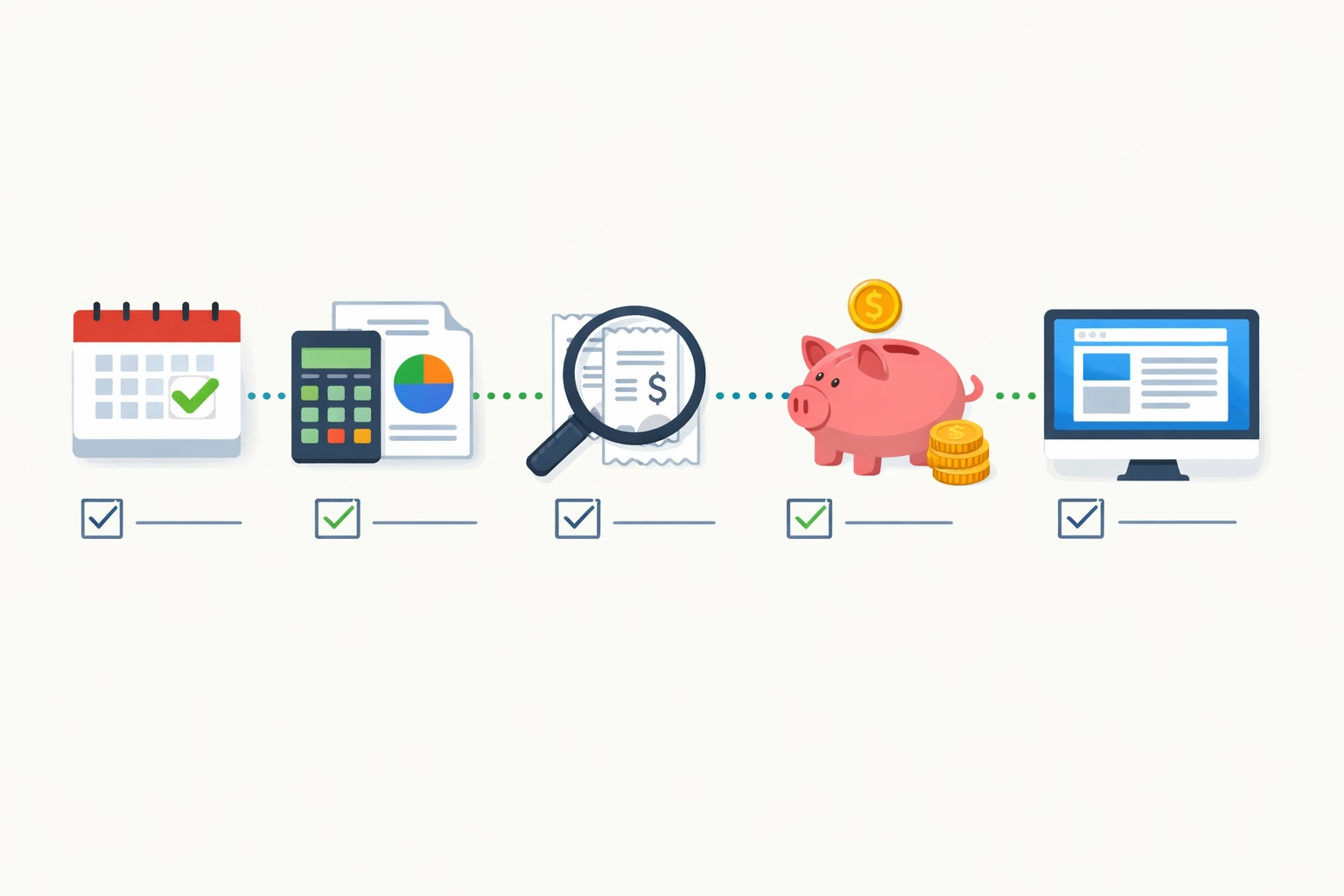
Gather all 2026 tax documents. Collect W-2s, 1099s, receipts for deductible expenses, and documentation of credits. Missing documents delay processing and may result in missed deductions.
Calculate preliminary tax liability. Use the new brackets and standard deductions to estimate your 2026 taxes. Compare this to taxes withheld throughout the year to project your refund.
Schedule professional tax preparation. Complex tax situations require expert guidance. Professional tax preparation New Haven services ensure you claim all available benefits while maintaining compliance.
Review previous returns. Compare your 2025 and 2026 tax situations to identify changes that affect your refund. Significant income changes, new dependents, or business income alterations require adjusted strategies.
File electronically with direct deposit. Electronic filing speeds processing, and direct deposit delivers refunds faster than paper checks.
Connecticut State Tax Considerations
While federal bracket changes create refund opportunities, Connecticut state taxes require separate attention. The state maintains its own tax structure with seven brackets ranging from 3% to 6.99%.
State-level planning points:
- Your federal AGI serves as the starting point for Connecticut tax calculations
- Connecticut offers specific credits and deductions not available at the federal level
- Property tax credits may benefit New Haven homeowners
- The state's Pass-Through Entity Tax election can create significant savings for business owners
Coordinate federal and state tax planning to maximize total refund potential. Strategies that benefit federal returns may affect state liability differently.
Professional Guidance Matters
Tax law complexity increases annually. The 2026 changes create opportunities but require expertise to implement correctly. Professional tax preparation ensures you claim every available benefit while avoiding errors that trigger audits or penalties.
Consider professional assistance if you:
- Operate a business or work as an independent contractor
- Experienced significant income changes in 2026
- Purchased or sold real estate during the year
- Have investment income from multiple sources
- Support dependents with complex situations
Professional tax preparers stay current with bracket changes, deduction rules, and credit requirements. Their expertise often produces refunds that exceed their service fees.
File Accurately and On Time
The April 15, 2027 deadline applies to most 2026 tax returns. File accurately and completely to receive your refund without delays. Incomplete returns trigger IRS correspondence that postpones refund processing for weeks or months.
Double-check all entries before submitting your return. Mathematical errors, incorrect Social Security numbers, and missing signatures represent the most common filing mistakes that delay processing.
Use available resources, maintain organized records, and seek professional guidance when needed. The expanded 2026 tax brackets and increased standard deductions create genuine opportunities for larger refunds: but only for taxpayers who understand and apply them correctly.

Leave a Reply
You must be logged in to post a comment.